India will cut duties on New Zealand wine, kiwifruit and apples from Oct. 20
The phased pact protects India’s dairy sector through quotas and exclusions, with two-way trade projected to top $3 billion.
Wednesday, September 23, 2026

Views › 3189
India and New Zealand are set to bring a new free trade agreement into force on October 20, a move expected to lower import duties on a range of New Zealand goods entering the Indian market, including wine, kiwifruit and apples, according to a report published Tuesday by Wire Centre.
The agreement, described in the report as a broad economic partnership, is expected to reduce tariff barriers in stages rather than all at once. The planned cuts cover several products that are already established in India’s premium retail segment, along with selected industrial imports such as dairy processing machinery, agricultural technology and timber. The change is likely to affect both consumer prices and supply chains as importers and retailers adjust to the new duty structure.
Wire Centre reported that some of the clearest price effects could be seen in imported fresh produce and select wine categories from New Zealand. If the tariff reductions are passed through by importers and sellers, Indian consumers could see lower prices on premium kiwis, high-grade apples and certain bottled wines after the agreement takes effect. The extent of those reductions will depend on shipping costs, exchange rates, retail margins and how quickly companies revise contracts and inventories after October 20.
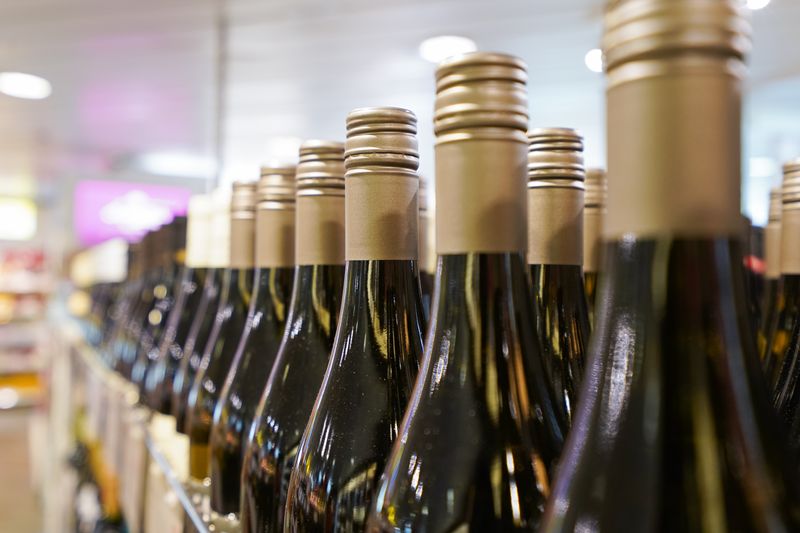
For the beverage industry, the wine provisions may carry particular weight. Lower duties on New Zealand wine could alter pricing in a market where imported labels remain relatively expensive and where restaurants, hotels, specialty retailers and distributors have been trying to expand premium offerings. The effect is not certain, but the phased tariff schedule could gradually improve access to New Zealand wine and influence sourcing decisions in India’s growing wine trade.
At the same time, the agreement includes protections for politically and economically sensitive parts of India’s farm sector. According to the report, negotiators built in tariff-rate quotas and product exclusions to shield domestic producers from a sudden increase in competition. Sectors identified as especially protected include liquid milk, butter and other core dairy products, areas where Indian cooperatives and local farmers have long sought strong barriers against imports.
That structure suggests the two governments tried to balance market opening with domestic safeguards. New Zealand is a major agricultural exporter, but India has historically moved carefully in trade talks involving food and farming because of the large number of people who depend on agriculture for income. By lowering duties on selected products while maintaining protections in more sensitive categories, the agreement appears designed to encourage trade growth without triggering broad disruption in India’s dairy sector.
Beyond tariffs, the report said the deal also aims to simplify customs procedures and align sanitary and phytosanitary standards, steps that could matter as much as duty cuts for companies moving perishable goods across borders. Faster clearance at ports and more predictable health and safety rules can reduce delays, spoilage risk and compliance costs, especially for fruit exporters and food importers. The agreement also includes measures intended to improve mobility for skilled professionals and support exchanges in services, including education and information technology.
Industry analysts cited by Wire Centre expect two-way trade between India and New Zealand to exceed $3 billion over the next three years if the agreement is implemented as planned. That projection goes beyond agricultural trade and reflects the broader commercial agenda behind the pact, including easier business conditions, lower frictions at the border and a wider range of sectors covered by the deal.
The October 20 start date gives importers, distributors and retailers a short window to prepare for the first phase of implementation. Companies handling wine, fruit and food-processing equipment are likely to watch the final customs notifications closely to see how quickly lower duties can be applied in practice. For Indian consumers, the most visible effects may emerge first on store shelves and restaurant menus, where any reduction in landed costs for imported produce and wine could begin to show up in pricing after existing inventories are cleared.