California winegrowers commit $820,000 to halt a vine-killing insect
The emergency response has spread across 40 counties after potentially infested nursery grapevines reached more than 3,100 customers.
Friday, September 4, 2026
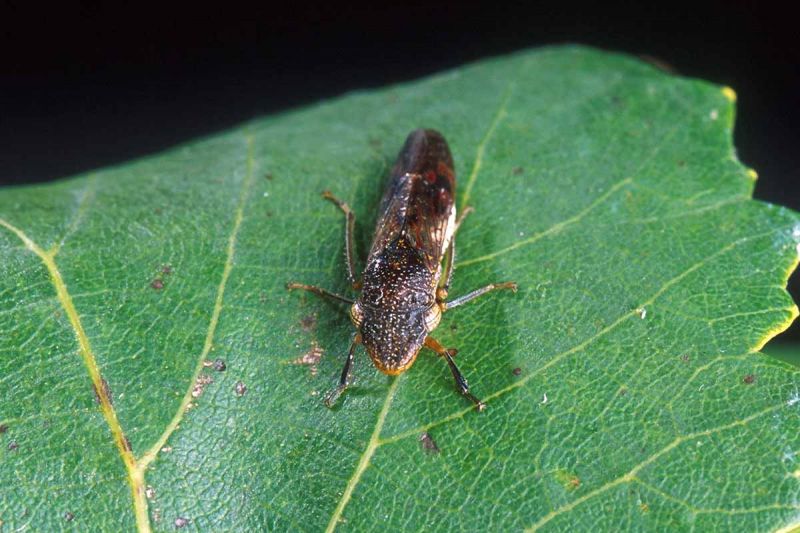
California’s winegrape industry is putting more money into an emergency effort to keep a dangerous insect from spreading a fatal vine disease into the state’s northern wine regions.
The Pierce’s Disease and Glassy-Winged Sharpshooter Board at the California Department of Food and Agriculture has committed $820,000 to the response, adding new support to an operation that has been underway for months after potentially infested grapevines were distributed from a Fresno nursery to customers across much of the state.
The threat centers on the glassy-winged sharpshooter, an invasive insect that can spread Pierce’s disease, which is lethal to grapevines. State officials and industry leaders say stopping the pest before it becomes established in new areas is critical not only for vineyards, but also for other agricultural and landscape plants that can be affected.
The new funding is aimed at containing a problem that has already triggered a broad search. Since May, county agriculture officials have been trying to locate nearly 10,000 grapevines that may have carried the pest into 40 counties. According to the state program, officials have contacted more than 3,100 customers who bought the plants, inspected or destroyed more than 2,900 vines, and set more than 2,700 additional insect traps.
Glassy-winged sharpshooters have been found on customer plants in 22 counties, according to the state. That discovery has raised concern that the insect could move beyond those properties if monitoring and eradication efforts are not sustained. Officials say inspections and trapping will need to continue for at least three years to determine whether the pest spreads further.
The financial commitment comes at a difficult moment for growers. “California’s winegrape industry is facing some of the hardest economic times in a generation, but we recognize what is at stake if this destructive pest becomes established in Northern California,” Trey Irwin, chair of the PD/GWSS Board, said in a statement released through the department. He added that using $820,000 from the board’s limited reserves was a major commitment for the industry.
The economic stakes are large. The department said California’s wine industry generates about $73 billion in annual economic activity and supports more than 422,000 jobs statewide. A 2025 economic study cited by the agency estimated that if glassy-winged sharpshooters spread unchecked, outbreaks of Pierce’s disease could cost winegrape growers an additional $56 million a year in lost production and vine replacement.
That risk extends beyond growers’ fields. A wider spread of the disease could tighten grape supplies, raise replacement and farming costs, and add new pressure on wineries already dealing with a weak market and shifting consumer demand. For the beverage sector, protecting vineyards from a pest that can kill vines is also a way to limit potential disruption to wine production and the broader supply chain that depends on stable grape harvests.
The emergency funding is coming from assessments paid by California winegrape growers to support research and prevention work on pests and diseases. The board said that since 2001 it has invested $99 million in research, outreach, prevention and control related to Pierce’s disease, grapevine viruses and the insects that spread them.
That long-running investment reflects how serious the industry considers the pest. Pierce’s disease has been a recurring concern in California for decades, especially where the glassy-winged sharpshooter is present. The insect can feed on a wide range of plants, which makes it harder to control and increases the chance that it can move between agricultural areas and ornamental landscapes.
Officials say the current response depends on coordination across multiple levels of government as well as growers and nursery buyers. “It is important that we continue with inspections and trapping to closely monitor the situation,” Michelle Pham, response lead with the department’s Pierce’s Disease Control Program, said in the same statement. She said the effort relies on close coordination among growers and county, state and federal agencies, and noted that the partnership has worked for 25 years to keep the insect from spreading throughout California.
The current case shows how a pest issue can quickly become a statewide agricultural problem through normal plant sales. In this instance, the concern is not a single vineyard outbreak, but the distribution of plants that may have carried the insect into dozens of counties before the issue was identified. That has forced officials into a response that includes customer outreach, plant inspections, destruction of suspect vines and the addition of thousands of traps.
Northern California has been a particular focus because of the value of its wine regions and the damage the disease could cause if the insect became established there. A fatal vine disease does not just affect one season’s crop. It can require growers to remove and replace vines, absorb years of lost production from young replanted blocks and take on extra monitoring and management costs along the way.
State and county officials are also asking the public to report suspected sightings. People who think they have found a glassy-winged sharpshooter are being told to contact their local agricultural commissioner’s office. The goal now is to find any remaining infested plants, determine whether the insect has spread beyond customer properties and keep a nursery-linked incident from turning into a long-term threat for one of California’s most important farm and beverage industries.