Japan’s Trial Registry Lists Study of Pre-Drinking Tablets for Alcohol Metabolism
Researchers will test whether Salacia reticulata or acetic acid bacteria extract helps adults process alcohol after sake.
2026-08-25
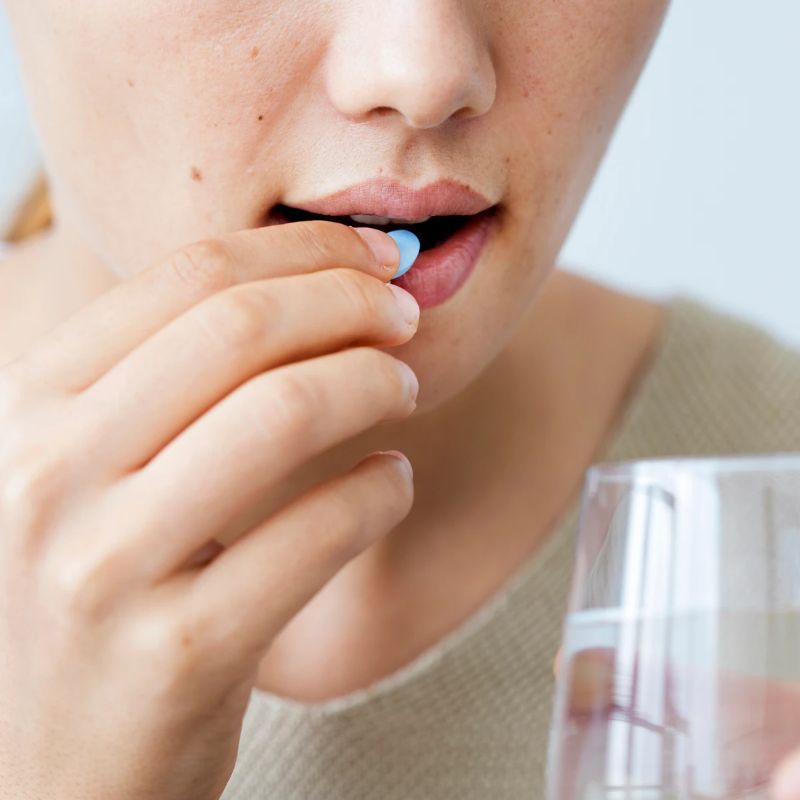
A study listed in Japan’s UMIN Clinical Trials Registry will test whether a single pre-drinking dose of foods containing Salacia reticulata or acetic acid bacteria extract powder can help adults process alcohol more efficiently after drinking.
According to the registry entry, the trial is designed as an exploratory study in Japanese adults age 20 and older. Participants must be under 65 at the time of consent, have everyday drinking experience, and be able to consume 180 mL of Japanese sake at 15% alcohol without difficulty, while still recognizing that they feel intoxicated.
The study will examine what happens when participants take one of three test foods before drinking. Each test food is given as three tablets with 150 mL of water. Ten minutes later, participants are asked to drink 180 mL of Japanese sake over 10 minutes. The registry describes the products as test foods A, B and C, and states that the study will evaluate food containing Salacia reticulata or food containing acetic acid bacteria extract powder, but it does not spell out in the public summary which ingredient corresponds to each coded test food.
Researchers plan to measure breath ethanol concentration and conduct performance testing before intake and again 30 minutes, 60 minutes and 90 minutes after alcohol consumption. The registry also says participants will complete questionnaires at the same time points and again the next morning. An OSA sleep questionnaire, MA version, is also listed among the assessments to be used before intake or the next morning.
The study is focused on whether these food ingredients might promote alcohol metabolism after drinking. That makes it different from broader claims sometimes seen around “recovery” products marketed to drinkers. The registry entry does not report any findings, and it does not show that the approach works. It sets out a planned protocol for testing that question.
The public record gives a detailed picture of who will not be allowed to take part. People with chronic diseases under treatment, a history of serious illness, or a diagnosis of diabetes are excluded. So are people who regularly use medicines or health foods that could affect alcohol metabolism or sleep quality, people with possible allergies related to the test foods, and people who usually consume large amounts of the test foods.
Heavy drinkers are also excluded. The registry defines that group as people consuming the equivalent of 60 g or more of alcohol a day, with examples that include about 1,500 mL of beer, about 540 mL of wine, about 330 mL of Japanese sake or about 180 mL of double whisky. People who recently joined other clinical studies, or who plan to join others during this study period, are not eligible. Neither are people who are breastfeeding, pregnant or planning or hoping to become pregnant during the study.
The site listed in the registry is in Toyoake, Aichi, Japan. The entry says the study’s aim is to explore the effect of taking the test foods before alcohol consumption in adults.
Even at this early stage, the work has clear relevance beyond clinical research. Beverage companies, supplement makers and food manufacturers have shown growing interest in products positioned around drinking occasions, including tablets, powders and functional foods that claim to support the body before or after alcohol intake. If this type of study eventually shows a measurable effect, it could influence product development, consumer messaging and regulatory scrutiny across categories that touch beer, wine, spirits and related beverage occasions. It could also shape public health discussions about how such products should be described and what claims are appropriate.
At the same time, a study like this does not change the basic facts about alcohol impairment. The registry entry centers on metabolism after drinking and includes measurements such as breath ethanol concentration and short-term performance. It does not suggest that taking a food ingredient would make drinking risk-free or eliminate intoxication. Any claims of benefit would still need to be supported by results, and the public registry record does not yet provide them.
Salacia reticulata and acetic acid bacteria extract powder have attracted attention in the food and supplement market, where ingredients are often studied for effects tied to metabolism or wellness. In this case, the interest is more specific: whether a single dose taken shortly before drinking can make a measurable difference in how the body handles alcohol over the next several hours and by the following morning.
That question matters because alcohol-related products often move quickly from narrow scientific claims to broader commercial ones. A registry entry is only the first public step. It shows that researchers have defined a target group, a dosing plan and outcome measures. Whether the tested foods produce a meaningful effect, and whether any effect is large enough to support consumer-facing claims, will depend on the study results once they are completed and disclosed.
