Germany’s 2026 wine harvest begins two weeks earlier than usual
A family winery in Staufen picked Solaris grapes for the first Federweißer after summer heat hastened ripening, leaving smaller berries and less juice.
2026-08-14
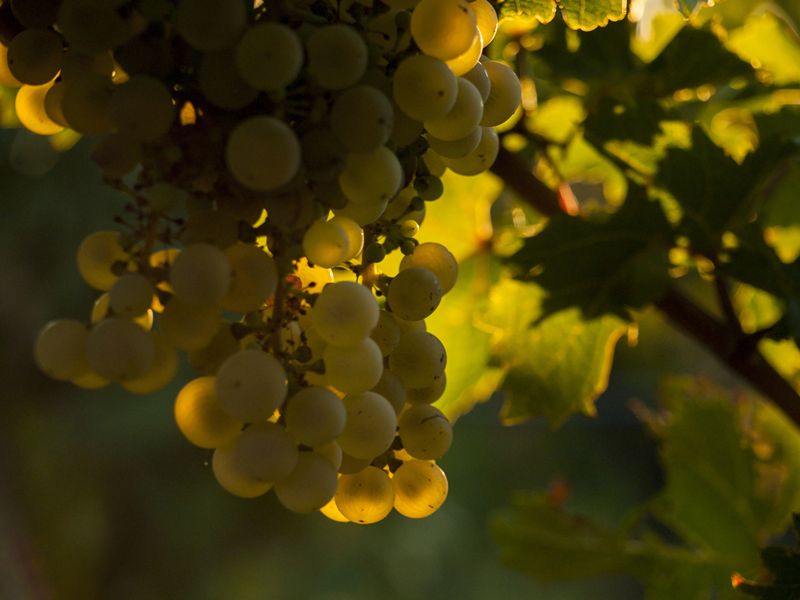
Germany’s 2026 wine harvest began this week in the town of Staufen, in the Breisgau-Hochschwarzwald district of Baden-Württemberg, where the Löffler family started picking grapes for this year’s first Federweißer on Monday. The start is the earliest the winery has recorded for its first harvest of the season, coming about a week earlier than last year and roughly two weeks ahead of the usual schedule.
The early harvest marks the start of the short annual season for Federweißer, a lightly sparkling, partially fermented grape must that is sold while fermentation is still underway. In Germany, it is one of the first signs of the fall wine season, even if this year it has arrived in the middle of August.
At Weingut Löffler, the first grapes picked were Solaris, an early-ripening, fungus-resistant variety often used for the season’s first Federweißer. The family harvested grapes from about a quarter of a hectare on Monday, with most of the fruit brought in by machine. To avoid the day’s heat, the work started early on the hillside, with several generations of the family taking part.
Wolfgang Löffler, the winery’s cellar master, said the entire vintage is running early this year. In the vineyard, growers measured the grape must with a refractometer and found readings of about 100 degrees Oechsle, a German scale used to measure sugar content in grape juice. After pressing, the must reached 114 degrees Oechsle, a level the winery said was strong enough for the harvest to proceed. Löffler expects Müller-Thurgau, another common regional grape, to be ready in about two weeks.
The early ripening follows weeks of high temperatures that sped up grape development across the region. But the same weather has also reduced expected yields. Because of the dry conditions, the berries are smaller and contain less juice than usual. The winery said it normally gets a must yield of 76%-78% from harvested grapes, but this year expects only about 70%.
The lower juice volume is part of a broader pattern that growers in the area increasingly link to climate change. Löffler said not only did the summer heat push ripening forward, but warmer winters have also changed the annual cycle in the vineyard. With less severe cold and soils no longer freezing as deeply as they once did, vines are budding earlier in the year. That earlier start is now carrying through to harvest.
The effects are already visible in vineyard management. At some sites, especially on steep slopes and among younger vines, the Löffler family said irrigation was necessary this summer to keep the plants alive. Other growers in the region have also turned to drip irrigation systems that supply small amounts of water steadily over time.
The shift is striking enough that older family members say the harvest no longer feels like it once did. They remember picking grapes in cooler weather, wearing scarves and knit caps. This year, the first pick for Federweißer took place in shorts and T-shirts under summer heat.
For producers, the earlier calendar also changes the rhythm of the rest of the season. In past decades, German growers often expected to be bringing in large amounts of fruit around Oct. 3, the national holiday that gave many families extra hands for harvest work. Löffler said that in recent years that rule of thumb has become less reliable. This year, as in the last one, the winery expects to be finished well before then.
Despite the smaller crop, the family said it does not expect the dryness to hurt the taste or quality of the Federweißer. The warm weather does, however, affect the speed of fermentation. Because the grapes are fermenting quickly, the winery said the first sweet Federweißer could be ready as early as Tuesday, bottled shortly after, and on sale in stores by Wednesday.
