Extreme Heat Pushes Franciacorta Growers Into Night Harvests
Faster ripening in Italy’s sparkling wine region is forcing earlier picking to preserve the acidity premium bottles require.
2026-08-12
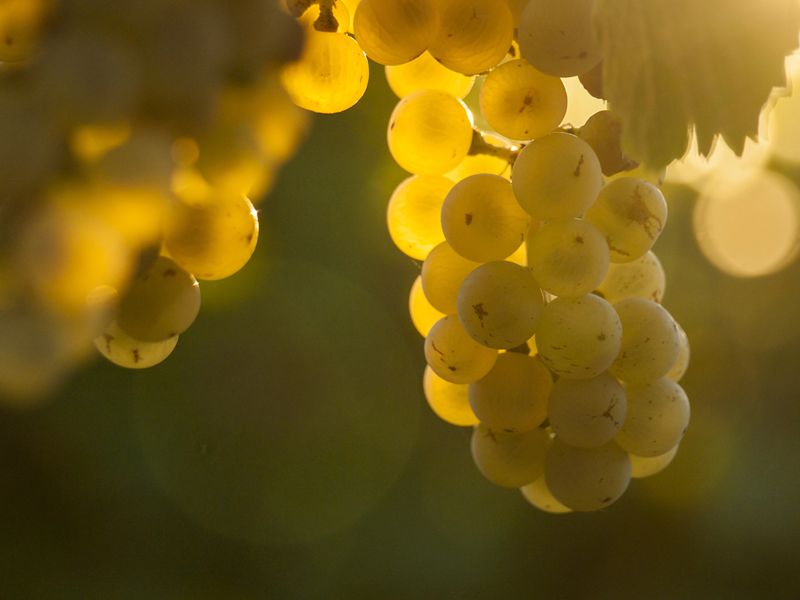
Wine growers in Italy’s Franciacorta region are starting the harvest earlier and moving more work into the night as extreme heat changes the way one of the country’s best-known sparkling wine areas operates.
In northern Italy, where Franciacorta’s bottle-fermented sparkling wines are made largely from Chardonnay and Pinot Nero, producers say grapes are ripening faster under higher temperatures. That has pushed harvest dates forward, in some cases by as much as 10 days, and has led vineyards to pick fruit during the coolest hours, often before dawn or after sunset, to protect freshness and acidity.
The change is more than a scheduling adjustment. For sparkling wine, acidity is a central part of the style. If grapes ripen too quickly in hot conditions, sugar levels can rise fast while acidity falls, changing the balance that producers need. Picking at night helps keep the fruit cooler, limits heat stress on the grapes and can better preserve the delicate aromas that are important in premium sparkling wines.
The shift is becoming more visible in Franciacorta, a prestigious appellation in Lombardy that has built its reputation on high-quality sparkling wines made using a method similar to Champagne’s. Producers there have long relied on a relatively stable seasonal pattern. That pattern is now less dependable as hotter summers and dry spells affect vineyards across northern Italy.
Growers and winemakers are responding on several fronts. Along with earlier harvests and nighttime picking, they are adjusting canopy management and soil practices to help vines cope with heat and limited water. The goal is to shield grapes from direct sun, slow ripening where possible and conserve moisture in the vineyard.
Scientists and agricultural specialists are also working with producers to track weather effects and assess how vineyards are changing from one season to the next. Their involvement reflects a broader concern in Italian wine regions that climate pressures are no longer occasional disruptions but part of a new operating reality.
Franciacorta is not the only place dealing with the issue, but the pressure is especially acute there because sparkling wine production depends on precision. Small shifts in harvest timing can have an outsized effect on the final wine. In a still wine, growers may sometimes wait for fuller ripeness. In sparkling wine, waiting too long can mean losing the sharper profile that gives the wine structure and lift.
That is why night harvesting, once unusual in the area, is becoming a practical tool rather than an exception. Cooler temperatures during those hours can reduce the need to rush fruit into refrigerated conditions and may help wineries receive grapes in better shape. But the new routine also adds complexity. Vineyard crews, transport and cellar operations all have to be reorganized around overnight work, and that can raise labor and logistics costs.
The hottest parts of the day have also become harder windows for field work. As heat intensifies, producers are under more pressure to compress vineyard tasks into shorter and safer periods. That adds strain to a harvest that is already one of the most labor-sensitive moments of the year.
For the beverage industry, the changes matter beyond the vineyard. Franciacorta sits in the premium sparkling wine segment, and any shift that affects quality, timing or volume can ripple through supply chains. If producers need more overnight labor, more technical vineyard management and tighter harvest coordination, costs may rise. If extreme heat also affects yields or style, supply could tighten and put upward pressure on prices for some wines.
The broader concern is how often these conditions will return. Earlier harvests were once treated as unusual in many European regions. Now they are becoming common enough that producers are redesigning routines around them. In Franciacorta, that means accepting that the harvest calendar cannot be set by tradition alone.
Winemakers in the region are trying to preserve the character that made the area successful while adapting to a warmer climate. That balancing act is likely to define the coming years. They still need grapes with the tension and freshness that premium sparkling wine requires, but they now have to secure those qualities in a season that can speed up suddenly under intense heat.
What is happening in Franciacorta offers a clear example of how climate change is reshaping wine production in Europe. It is changing not only what happens in the vineyard, but also when work is done, how fruit is handled and how much producers may have to spend to maintain the standards consumers expect from a top sparkling wine region.
