Wildfires in Sierra de Gredos threaten some of Spain’s oldest vineyards
Growers in Ávila are still barred from damaged parcels as firefighters battle active fronts across more than 50,000 hectares
Monday, July 27, 2026
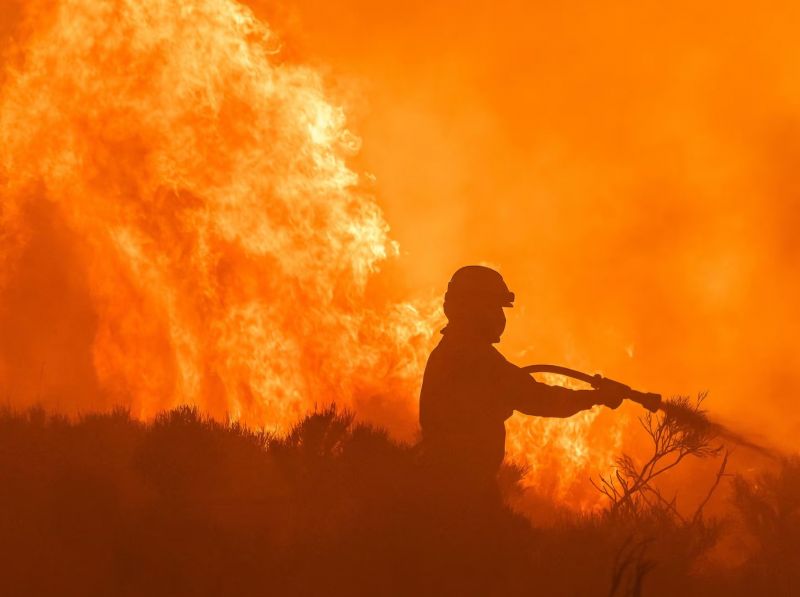
Wildfires in Spain’s Sierra de Gredos have burned more than 50,000 hectares in the province of Ávila and are threatening some of the region’s oldest vineyards, as growers wait for access to damaged areas and firefighters continue to battle active fronts.
The fire began near Burgohondo last Wednesday and, by Sunday, its main perimeter had been contained, though several fronts were still burning. The blaze has forced thousands of residents to evacuate or remain confined in their homes in a mountain region about 150 kilometers west of Madrid that is known for old-vine Garnacha and Albillo Real.
For wine producers, it is still too early to measure the full impact on this year’s crop and on vineyards that in some cases date back a century. Many growers have not yet been able to enter affected parcels. Others have started to confirm losses in sites that are central to the identity of Gredos wines.
Among the vineyards already damaged is San Gregorio, a historic parcel owned by Bodega El Reventón, the winery founded by Adrianna Catena, Alejandro Vigil and Gearóid Lane. Lane said the estate had suffered major damage in the vineyard, whose fruit is used for one of its two single-parcel wines. He said the team was assessing the extent of the harm to old vines, some planted in the 1920s.
The fire has also reached Cebreros, one of the best-known wine-growing areas in Gredos. Chuchi Soto, founder of Soto Manrique and manager of the local cooperative winery, said he had lost one vineyard and was still waiting for news from other plots. He described a landscape where small vineyard parcels sit in steep terrain surrounded by woodland and unmanaged vegetation.
Soto said strict rules on protected woodland limit what growers can do around their properties and make it harder to clear vegetation near vineyards. He said that while the wooded setting is part of what makes Gredos distinctive, it also increases the danger when fire spreads through dry mountain terrain.
At Indiano Wines, one vineyard was surrounded by flames over the weekend and several old vines were lost. But the winery said regular clearing of undergrowth and maintenance of the vineyard floor helped stop the fire from moving deeper into the parcel. The surrounding forest burned while part of the cultivated area held.
Charly Gotchac, a co-founder and viticulturist at Indiano Wines, said firebreaks need to be maintained throughout the year across both farmland and forest. He said vineyards are often kept clear because they must remain accessible for harvest, but that similar work is not being done consistently in pine plantations, chestnut groves and olive groves nearby.
Gotchac also pointed to broader structural problems in the region, including limited resources and rural depopulation. He said younger people are leaving and that abandonment raises future fire risk. With August still ahead, he warned that the most dangerous part of the summer may not yet have arrived.
The damage goes beyond individual wineries. Producers say the fire is hitting a landscape that underpins local farming, tourism and hospitality. Bárbara Requejo, winemaker and co-founder of Las Pedreras, said the catastrophe had destroyed a landscape that is one of the region’s main assets and would have serious economic consequences for winegrowers, livestock farmers and businesses tied to visitors.
That matters for the beverage sector well beyond Ávila. Sierra de Gredos has built an international reputation for distinctive Garnacha and Albillo Real from old vines grown at altitude. If losses among those vineyards prove extensive, they could tighten supply of sought-after wines from the area, put upward pressure on prices and complicate harvest planning, compensation claims and purchasing decisions for producers, cooperatives, importers and retailers.
For now, much remains uncertain. The final toll on vineyards cannot be calculated until crews fully control the fire and growers can safely inspect their land. In many cases, producers are still waiting for wind conditions to improve before emergency teams can stabilize all fronts.
The human toll has added to the sense of shock across Gredos. Residents have lost homes, farms, animals and businesses, according to people in the area. Winegrowers say there is not yet an organized system to channel aid specifically to the local wine community, even as damage spreads across multiple sectors at once.
The Sierra de Gredos has become one of Spain’s most closely watched fine-wine regions over the past decade because of its old bush vines, granite soils and high-elevation sites. That rise has drawn attention from buyers in export markets as well as domestic consumers looking for lighter mountain expressions of Garnacha. The current fires now threaten not only this season’s production but also vineyards that cannot be quickly replaced if mature plants have been killed.
Old vines are especially vulnerable because their value lies in age, low yields and adaptation to specific sites over decades. Replanting may restore production eventually, but it cannot restore immediately the character associated with parcels planted generations ago. That is why growers describe some losses as damage to an irreplaceable viticultural heritage rather than only an agricultural setback.
As firefighters continue their work in Ávila, producers across Gredos are left balancing immediate emergency needs with fears about what they will find when they return to their vineyards. Until then, one of Spain’s most important mountain wine regions remains under pressure from a fire season that is far from over.