Burgundy begins its earliest grape harvest in nearly 500 years.
Domaine Leflaive started picking on August 13, beating a benchmark from 1556 after repeated heatwaves sped ripening.
2026-08-19
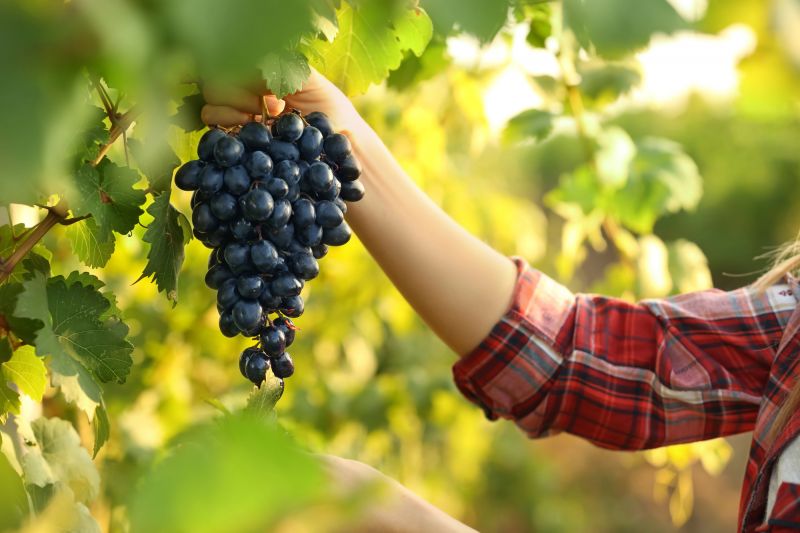
Burgundy has begun what appears to be its earliest grape harvest in nearly 500 years, an unusually early start that growers and historians link to repeated heatwaves and a broader warming trend in one of France’s most closely watched wine regions.
Domaine Leflaive said it started picking fruit in its Grand Cru Le Montrachet parcel on Thursday, August 13. That date moves ahead of the long-cited historic benchmark from 1556, when records show harvesting began on August 15. In a region where picking has traditionally started in early to mid-September, the shift is significant for producers, traders and consumers who follow Burgundy’s vintage cycles closely.
Brice de La Morandiere, estate manager at Domaine Leflaive, said the decision to start harvesting was driven by the very early ripening seen during the 2026 growing season. He said the timing was “extremely early,” but added that the fruit was in strong condition. According to his account, sugar levels are high while acidity remains good, a combination that could help preserve balance in the finished wine. He also said the aromatic profile of the grapes was in line with what the estate seeks for Montrachet.
The start at Leflaive came after the Crémant harvest in the area opened about 10 days earlier, another sign of how compressed and advanced the season has become. Harvest timing is a closely watched indicator in Burgundy because it reflects the interaction of temperature, water availability, vine stress and ripeness. When picking begins earlier than usual, it can affect not only yields but also alcohol levels, freshness and the style of the wines that eventually reach the market.
Historian Thomas Labbe, who studies long-term climate and harvest records, has pointed to a clear change in the pattern of very warm years. He has said that between 1354 and 1719, years of very high temperatures appeared roughly every 17 years. Since 1988, however, that rhythm has shifted. Four of the 10 warmest years recorded since 1354 have occurred in the 21st century: 2003, 2018, 2020 and 2025. That history is part of the reason Burgundy’s 2026 harvest is drawing so much attention beyond the region itself.
This year’s early harvest has also raised questions about how the vines handled intense summer conditions. Heat and limited water supplies created concern that grapes in exposed vineyard sites could suffer sunburn or shut down during ripening. In Burgundy, where many of the most prized vineyards sit on slopes with varying exposure, those risks can differ sharply from one parcel to another.
Paul Carillon of Domaine Carillon in Puligny-Montrachet said those fears did not fully materialize in his vineyards. He said timely canopy management helped protect the bunches and left the fruit in better condition than initially expected. According to Carillon, the heat sped up ripening and put stress on the vines, especially on hillside plots, but the vineyards overall held up well and the quality of the fruit looks promising.
Carillon said his estate had not yet started picking but expected to begin on Thursday, August 20. Even that later date would still mark an unusually early harvest by Burgundy standards, though not as early as some growers had feared during the hottest part of the season. He said yields are expected to be slightly below average, while quality appears good.
For Burgundy producers, the early start is more than a calendar anomaly. Harvest dates in the region are often treated as a measure of changing climate conditions because the historical record stretches back centuries. Earlier picking can offer advantages if grapes remain healthy and retain acidity, but it also forces estates to make faster decisions in the vineyard and cellar. Labor, transport, press capacity and fermentation planning all become more difficult when ripening accelerates across multiple appellations at once.
The 2026 season is now being watched as another test of how Burgundy adapts to repeated periods of heat. So far, growers reporting on the first parcels say the fruit is healthy and balanced despite the early timing. The final judgment on the vintage will depend on what comes into the cellars across the coming days and weeks, but the start date alone has already placed this harvest in Burgundy’s long history.
