Hollywood Embraces the White Wine Thriller Label for Female-Led Streaming Dramas
Executives use the shorthand for polished suspense series aimed at broad audiences, though some say it reduces women’s stories to a lifestyle brand.
2026-08-13
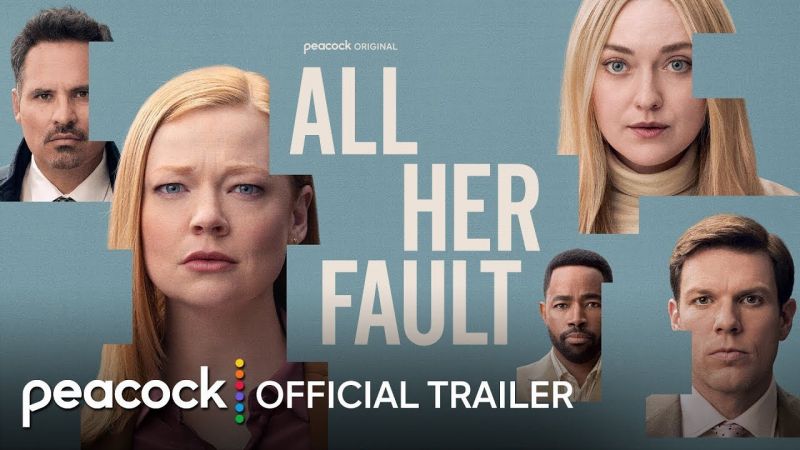
In television development circles, a new label is gaining ground for a specific kind of streaming drama: the “white wine thriller,” an industry shorthand for glossy, female-led suspense series that are dark enough to feel urgent but not so graphic that they alienate a broad audience.
The phrase has spread through Hollywood as studios and streaming services look for repeatable hits in a crowded market. Executives, agents and showrunners have begun using it to describe shows built around affluent settings, emotional tension, a contained mystery and a woman at the center of the story. Many are adapted from popular novels. The appeal is commercial as much as creative. These series are designed to be easy to market, easy to sample and easy to watch in a few sittings.
Lisa Katz, president of scripted content at NBC and Peacock, told The Hollywood Reporter that the term came up internally after conversations about female-led thrillers following Peacock’s series “All Her Fault.” Katz said one executive described the category as a “white wine thriller,” a phrase she said immediately suggested something lighter and more approachable than a harder-edged crime drama. In her description, the term points to a show that “goes down easy” while still delivering suspense.
The label may be new, but the kind of series it describes has been a major part of television for years. Recent examples often cited in the industry include Netflix’s “The Perfect Couple,” Hulu’s “Nine Perfect Strangers” and HBO’s “The Undoing.” “Big Little Lies” remains one of the clearest models: an expensive-looking limited series with major actresses, coastal wealth, family secrets and a murder mystery that drove week-to-week conversation.
What distinguishes these shows from a standard thriller is tone. The violence is usually limited. The body count is low. The characters live in expensive homes, wear luxury clothes and move through attractive settings even as their lives begin to unravel. The drama often comes from betrayal, marriage, motherhood, class anxiety and private scandal rather than from police procedure or explicit brutality. The intended audience is widely understood in the industry to be women, especially adult viewers who have become a crucial part of the streaming business.
That audience matters because female-led thrillers have become one of the steadier bets in a business still struggling to define the next phase of streaming. Peacock’s “All Her Fault,” starring Sarah Snook as a mother whose son goes missing, has become a major reference point for executives. According to The Hollywood Reporter, the 2025 miniseries earned seven Emmy nominations and, until the launch of “Five Star Weekend,” had been Peacock’s most-watched original series. Peacock also said in July that it had reached profitability, a milestone that added more weight to the idea that these dramas can deliver subscribers and attention at the same time.
The success of those shows has encouraged more networks and platforms to pursue similar material this year. Prime Video released “Ride or Die,” led by Octavia Spencer and Hannah Waddingham, though its blend of comedy and action places it somewhat outside the category. Apple TV+ has “Lucky,” starring Anya Taylor-Joy, while Peacock recently introduced “Five Star Weekend,” a Jennifer Garner drama that Katz jokingly described to The Hollywood Reporter as “more of a rosé” because it leans less on overt thriller elements.
As the label has spread, it has also produced a related one: the “red wine thriller.” In industry talk, that version refers to a darker and rougher show, one with more violence, more grime and less of the polished aspiration that defines the white wine model. Hulu’s “Furious,” from Liz Meriwether and Emmy Rossum, has been described that way because it centers on a victim taking revenge on her rapists. The tonal gap is important for buyers. One producer told The Hollywood Reporter that Peacock and Hulu are especially interested in “white wine thrillers,” while Netflix and HBO Max may be more open to darker material.
For writers, the rise of the term has become part of a larger conversation about how television is sold. Tessa Coates, the comedian and showrunner behind “Ride or Die,” said the phrase works because people understand it immediately. At the same time, she noted that thrillers are hard to execute well, and a catchy label does not change that. A series still needs a strong premise, pace and performances to succeed.
Agents and producers say the phrase can help buyers quickly identify what kind of project is being pitched. In an uncertain market, shorthand matters. Streamers are producing fewer shows than they did at the height of the content boom, and executives are under pressure to back projects with a clearer commercial lane. A category like “white wine thriller” gives them a quick way to talk about tone, audience and comparable titles in one phrase.
But the label also raises familiar questions about how the business talks about stories aimed at women. Larry Salz, a partner and agent at UTA, told The Hollywood Reporter that the risk of boxing these series into a catchy category is that a network may decide it already has “its female thriller” and stop looking at projects that do not fit the current trend. Others in the industry have argued that male-oriented series are rarely described with the same kind of lifestyle-coded shorthand, and that the phrase can sound dismissive or sexist even when it is used affectionately.
That tension reflects a broader contradiction in Hollywood. Female-led suspense series are proving that they can attract large audiences and awards attention, yet the industry still often frames them as a niche or a mood rather than as a core part of television drama. The naming trend is useful because it offers clarity in a market flooded with vague mandates and shifting strategy. It is also revealing because it shows how often entertainment for women is reduced to a consumer image.
Katz said the larger lesson for executives is less about the label than about execution. Audiences, she said, are difficult to predict, and categories only go so far. What matters most, she said, is making something entertaining and well done that connects with viewers, whatever the genre.
