U.S. craft beer sales fell 3.3% in early October, but demand looked firmer
Circana reported case volume down 4.3% in major retail channels, reinforcing signs that the category is stabilizing
Wednesday, October 21, 2026
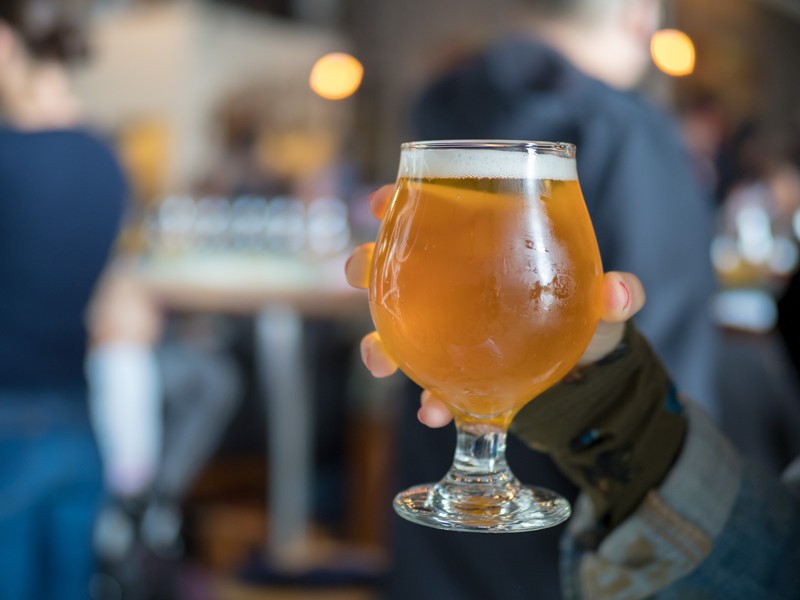
U.S. craft beer showed signs of firmer demand as the market moved into fall, even though sales remained below year-earlier levels, according to the latest monthly data from market research firm Circana reported by Brewbound.
In the latest four-week period ending October 4, craft dollar sales in Circana-tracked off-premise channels fell 3.3% from a year earlier, while volume, measured in case sales, declined 4.3%, Brewbound reported. The data cover total U.S. multi-outlet plus convenience channels, often referred to as MULO+C, a broad retail measure that includes major food, drug, mass, club, dollar and convenience stores.
The report points to a market that is still contracting on an annual basis but may be stabilizing as the fourth quarter begins. Brewbound said the transition from summer into fall showed possible end-of-year momentum for the craft segment after a softer summer stretch. That does not mean the category has returned to growth, but it does suggest the pace of decline may be drawing close attention from brewers, wholesalers and retailers as they plan for the final months of the year.
The numbers also show that revenue held up somewhat better than physical sales in the latest period. Dollar sales dropped less than case volume, a sign that price, mix or both may be helping support retail value even as fewer cases move through stores. The available data do not by themselves explain the reason for that gap, but it is one of the details industry operators often watch closely when deciding how to balance pricing with demand.
Brewbound also reported that Anheuser-Busch’s Golden Road Mango Cart moved into Circana’s top 30 after a price adjustment. The report excerpt did not provide the brand’s exact rank or the size of the adjustment, but the title of Brewbound’s coverage suggests pricing played a role in the brand’s improved standing. In a market where consumers have become more selective and price-sensitive, even modest changes in shelf price can affect velocity, rankings and the amount of space retailers give to a product.
That matters beyond one brand. For the broader beverage business, any sign that U.S. craft beer is finding a better footing in a major retail dataset could influence decisions on production, distributor focus and promotional spending. Brewers may look more closely at which styles, brands and price points are still working in off-premise channels, while retailers may use the same signals to adjust assortments before the holiday period. Wine, spirits and ready-to-drink suppliers also track these shifts because beer remains a large reference point in the fight for cooler space and consumer spending.
Circana’s off-premise read does not capture all beer sales, and it does not reflect what is happening in bars, restaurants or brewery taprooms. Even so, MULO+C data are widely watched because they provide a timely view of how packaged beverages are performing in mainstream retail. For craft brewers that rely heavily on grocery and convenience distribution, the October read offers a mixed but important message: the category is still down from last year, but recent movement appears better than the trajectory many producers feared coming out of summer.
The latest figures arrive at a time when many brewers are refining forecasts for the rest of the year and setting plans for 2027. With annual declines still in place, the industry is not reading one month as a turning point on its own. But any evidence of improving momentum, combined with the example of a large brand gaining ground after a pricing move, is likely to keep attention focused on value, distribution execution and the products most likely to hold consumer interest as the year closes.