Traditional Wine Labels Still Lead German Sales
VINOS analysis finds warm, classic designs outperform modern labels, even as younger shoppers show more interest in cleaner packaging
Tuesday, May 19, 2026
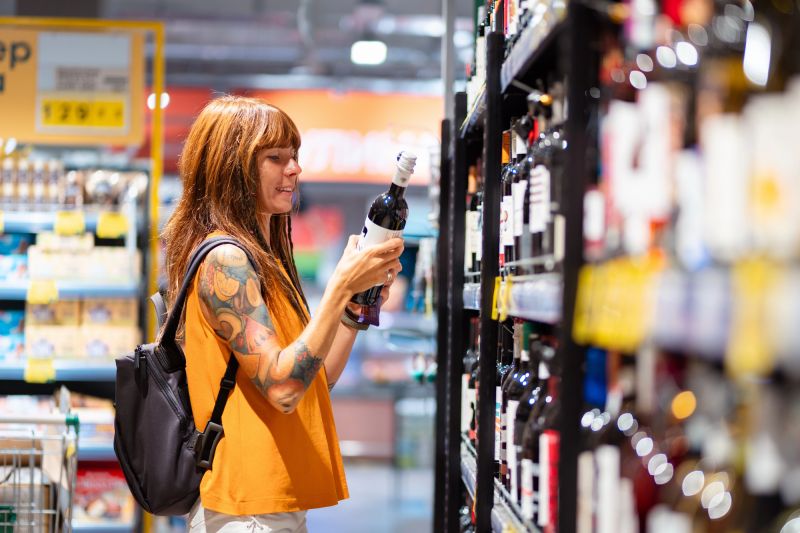
A new analysis from the Spanish wine retailer VINOS suggests that German shoppers are still drawn most strongly to labels that signal tradition, trust and familiarity, even as cleaner and more modern designs gain ground among younger buyers.
The company said it examined 150 of its best-selling wines sold between January 2025 and March 2026, grouping the labels into eight design styles with the help of artificial intelligence and then comparing those groups with sales data, customer ratings, awards and average price. The result was a ranking that put “Warm & Traditional” in first place with 87 points, followed by “Black & Exclusive” with 83 points and “Clean & Modern” with 75 points.
VINOS said the top-ranked style featured warm, muted labels with classic typography and decorative elements, mostly on red wines. That group also received the highest award score in the study, suggesting that traditional presentation often overlaps with wines that have earned recognition from industry judges. The retailer said the finding points to a market in which many German consumers still prefer labels that feel established rather than experimental.
The second-place category, “Black & Exclusive,” used dark backgrounds and minimal gold lettering to project a premium image. It was also dominated by red wines and scored well on customer ratings. The third-place group, “Clean & Modern,” leaned on clear layouts, lighter colors and more information on the label. VINOS said this style appeared to appeal more to white-wine buyers and to consumers who are younger and more urban.
One of the clearest findings was a gap between ratings and sales. The study said “Expressive & Bold” labels earned the highest average customer rating among red-wine groups, at 4.48 stars, but still ranked only sixth overall with 47 points. A similar pattern appeared in the “Light & Summer Fresh” group, which also posted a 4.48-star average but finished seventh. VINOS said this showed that strong reviews do not necessarily translate into high volume sales.
The company described its method as a combination of sales performance and visual analysis. Each label was assigned to one of eight groups based on features such as color, contrast, typography and graphic elements. Those groups were then scored using four weighted measures: sales volume at 40%, customer ratings at 30%, awards at 20% and price at 10%. The scores were normalized to a scale of 0 to 100.
VINOS said the study reflects broader buying behavior in Germany, where wine is often purchased quickly in stores or online and where packaging can influence decisions before a bottle is ever opened. In that setting, the label acts as both a signal of quality and a cue for price expectations.
The retailer said traditional styles continue to dominate because they communicate reliability. At the same time, it pointed to “Clean & Modern” as evidence of a growing segment that values clarity, origin information and a more contemporary look. That group ranked third overall despite not matching the strongest sellers in volume.
The lowest-ranked category was “Pink & Carefree,” which focused on rosé wines with soft pink tones and playful or floral graphics. VINOS said it had the lowest average suggested retail price of all eight groups and appeared to perform well as an impulse purchase segment rather than as a premium category.
The study comes as wine sellers across Europe continue to look for ways to stand out in crowded retail channels, where shelf presence can matter as much as grape variety or region. For VINOS, which specializes in Spanish wines for the German market, the results suggest that design remains part of the commercial equation even when consumers say they care most about taste, origin or value.
VINOS said its data points to a simple conclusion: German buyers may be open to new styles, but when faced with dozens of bottles at once, many still choose labels that feel familiar before they choose labels that feel different.