Italian Wine Giants Crumble
Financial Crisis Hits Italy's Wine Industry
Tuesday, August 20, 2024

Views › 4075
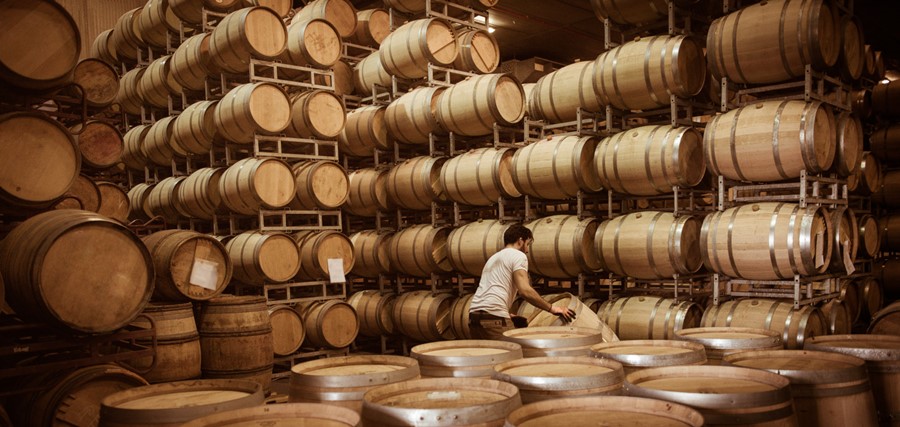
Italy, a country celebrated worldwide for its rich viticultural heritage, is currently witnessing profound challenges in its wine industry, as demonstrated by the recent financial troubles of two major wine cooperatives, Moncaro in Marche and Cantine Europa in Sicily. These difficulties not only threaten the stability of the regions where these cooperatives operate but also risk undermining the commercial reputation and international standing of two of Italy's distinguished wines, Verdicchio dei Castelli di Jesi and Grillo.
The more critical situation is unfolding at Terre Cortesi-Moncaro, a cooperative deeply rooted in Montecarotto, the heart of Verdicchio dei Castelli di Jesi production. Established in 1964, Moncaro has grown to become the largest cooperative in the Marche region, boasting 612 members and producing 10 million bottles annually, with 40% of this production destined for export. However, Moncaro is now teetering on the brink of financial collapse, with debts estimated at approximately 25 million euros. This precarious situation has led to missed payments to its 58 employees and necessitated judicial intervention to mediate disputes with creditors.
Several factors have contributed to Moncaro's dire financial state. The cooperative has been hit hard by rising production costs, particularly due to soaring energy prices and increased costs for essential materials like glass. Additionally, a significant drop in grape production, driven by diseases such as downy mildew, has further strained the cooperative's resources. Controversial recent investments, including the acquisition of the Villa Medoro winery in Abruzzo, have only added to the financial instability, sparking debate within the cooperative about the wisdom of such expansions at a time of economic stress.
In an attempt to safeguard the market for Verdicchio dei Castelli di Jesi, the Instituto Marchigiano di Tutela Vini (IMT) has introduced measures to store bulk wine. This strategy aims to curb market speculation and preserve the sustainability of both the businesses involved and the quality and value of the denomination. While these measures offer a temporary reprieve, they fall short of addressing the underlying financial and operational challenges facing Moncaro.
Meanwhile, in Sicily, Cantine Europa faces its own set of formidable challenges. Known for its production of wines made from the Grillo grape, this cooperative is grappling with significant economic difficulties exacerbated by extreme weather conditions. Following a vote of no confidence in the previous leadership, Cantine Europa's new management has moved to form a partnership with another cooperative, Colomba Bianca, to secure the 2024 harvest and keep production facilities operational. However, the severe drought affecting Sicily in 2024 threatens to reduce the harvest significantly, compounding the cooperative's economic woes.
The difficulties faced by Cantine Europa reflect broader issues within the Sicilian wine industry, where climate change is increasingly impacting grape yields and, consequently, the financial stability of producers. The cooperative's reliance on partnerships to sustain operations underscores the fragile state of the industry, where even a single poor harvest can have devastating effects.
Broader Implications for the Italian Wine Industry
The crises at Moncaro and Cantine Europa highlight deeper structural problems within the Italian wine industry, extending beyond the immediate difficulties of these two cooperatives. The temporary solutions currently being implemented, such as bulk wine storage and cooperative alliances, may provide short-term relief but do not address the root causes of these financial challenges.
For the long-term viability of these cooperatives and the preservation of Italy's esteemed wine reputation, more fundamental and potentially unpopular decisions will be necessary. This might involve restructuring the financial frameworks of these cooperatives, investing in more resilient agricultural practices, or reevaluating the strategic expansions that have stretched resources thin.
Moreover, these challenges serve as a cautionary tale for the broader industry, emphasizing the need for proactive measures to mitigate the impacts of rising production costs, climate change, and market volatility. As Italy continues to navigate these complexities, the future of its wine industry will depend on the ability of its cooperatives to adapt to a rapidly changing environment while maintaining the quality and tradition that have made Italian wines globally renowned.
The financial struggles of Moncaro and Cantine Europa represent more than just regional difficulties; they are indicative of a larger crossroads facing the Italian wine industry. As these cooperatives work to navigate their current crises, the industry as a whole must confront the structural challenges that threaten its future. Ensuring the stability and sustainability of Italian wine will require a concerted effort, involving both immediate financial support and long-term strategic planning. Only by addressing these issues head-on can Italy preserve its legacy as one of the world's leading wine producers.