Ribera del Duero reports a 4.2% drop in its 2026 grape harvest
The denomination picked 124.1 million kilograms in its earliest harvest on record after a hot, dry season reduced yields
Thursday, October 29, 2026
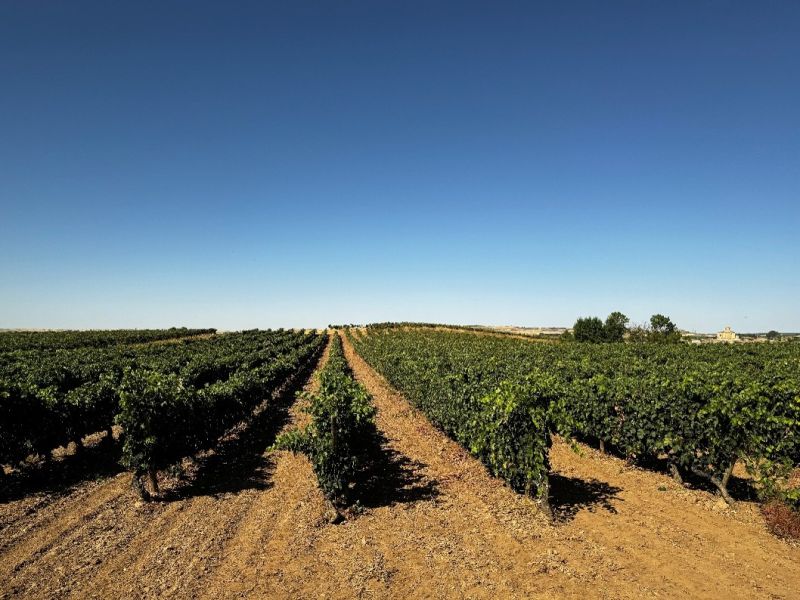
Ribera del Duero finished its 2026 grape harvest with 124.1 million kilograms of protected grapes, down 4.2% from the 129,555,457 kilograms recorded in 2025, according to the region’s regulatory council.
The figures cover grapes destined for wines protected under the Ribera del Duero designation of origin, one of Spain’s best known wine regions. The designation includes more than 300 wineries in the Duero River basin. The harvest began on August 18 and ended on October 20, making it the earliest harvest in the history of the denomination, the council said in a statement released on Wednesday, October 28.
The decline amounts to roughly 5.5 million kilograms compared with the previous campaign. Red varieties, which make up the core of Ribera del Duero production, fell 4.3% from 2025, while white varieties rose 3%.
The 2026 growing season was shaped by low rainfall in spring and summer and by periods of high temperatures, especially near the end of ripening, according to the council. Those conditions reduced yields and affected the development of the fruit. At the same time, the council said water reserves built up in the soil between late 2025 and early 2026 helped sustain the vines through the final stretch of the season.
The council said the cycle was largely spared from some of the weather events that often affect the area, including spring frost and hail. Even so, drought and late-season heat put vines under strong thermal and water stress. Producers were still able to stagger picking across plots to wait for what they considered the right point of ripeness for each vineyard, the council said.
The organization also said the year produced smaller berries, a factor that can increase the ratio of skins to juice. In winemaking terms, that can affect color, structure, and phenolic concentration in the wines. The council described the 2026 crop as showing strong phenolic ripeness and said that, if confirmed through fermentation and aging, the vintage could yield red wines with deep color, firm structure, and aging potential, while whites and rosés could show aromatic intensity and enough structure for further development.
Those quality assessments come from the denomination’s governing body and reflect an early reading of the crop rather than final market results. The harvest data refer only to the amount of grapes picked for protected wines. They do not show how much wine will ultimately be produced, how it will be sold, or whether prices or inventories will change.
For producers in Ribera del Duero, the lower volume means less raw material entering wineries for the 2026 vintage, particularly among red grapes. That matters in a region where red wine dominates output and where annual harvest size can influence winery planning, production decisions, and the mix of wines released over time.
Ribera del Duero is one of Spain’s main quality wine denominations and has built much of its reputation on red wines made primarily from Tempranillo. The final profile of the 2026 vintage will depend on fermentation, cellar decisions, and the performance of individual vineyards, but the official harvest balance shows that the region brought in a smaller crop than a year earlier after a hot, dry growing season.