Bordeaux risque de perdre 20 % de ses vignobles d'ici à 2025, alors que la crise du vin s'aggrave
L'Entre-deux-Mers est la région la plus touchée, avec jusqu'à 8 000 hectares arrachés dans un contexte de baisse de la demande et de changement de génération.
16-12-2025
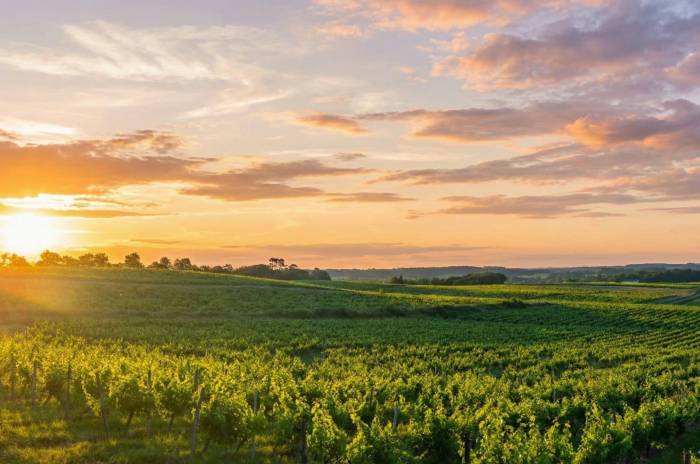
Au cœur de la région bordelaise, le secteur viticole est confronté à une crise qui bouleverse à la fois l'économie et le paysage. Le département de la Gironde, connu pour être la plus grande région viticole de France, connaît un déclin sans précédent. En 2025, on estime que 20 % du vignoble bordelais disparaîtra, un changement qui touche de plein fouet la région de l'Entre-deux-Mers.
L'Entre-deux-Mers, situé entre la Garonne et la Dordogne, est depuis longtemps reconnu pour ses vastes vignobles et son rôle dans la production de grandes quantités de vin. Au cours des trois dernières années, cette région a vu plus de vignes déracinées que n'importe quelle autre partie de la Gironde. La cause en est une combinaison de la baisse de la consommation de vin, de l'évolution de la demande du marché et d'un manque d'adaptation aux nouvelles tendances nationales et mondiales. De nombreux producteurs locaux sont aujourd'hui contraints d'arracher leurs vignes et d'envisager de nouvelles orientations pour leurs terres.
Alain Monget, élu de Camblanes-et-Meynac et président du Pôle territorial du Cœur Entre-deux-Mers, supervise cinq communautés dans cette zone sinistrée. Il décrit comment le paysage a changé de façon spectaculaire depuis le début des programmes d'arrachage de vignes soutenus par le gouvernement. "Le secteur viticole reste notre principal moteur économique", explique M. Monget. "Mais depuis plusieurs années, nous assistons à la disparition d'entreprises et à l'arrachage de vignes. Ces vignobles ne sont pas seulement économiques, ils sont porteurs d'emplois et structurent notre territoire. Maintenant que nous sommes en crise, cela change tout".
M. Monget note que le fait de voir des parcelles autrefois productives se transformer en friches est difficile à vivre pour de nombreux habitants. L'identité de la région est étroitement liée à ses vignobles et leur disparition est profondément ressentie. La crise actuelle soulève des questions sur la manière dont la communauté se remettra et sur les nouvelles utilisations qui pourraient être faites de ces terres.
L'Entre-deux-Mers est particulièrement vulnérable parce que son modèle de production de vin reposait fortement sur le volume plutôt que sur des embouteillages de grande valeur. Sur les 20 000 hectares qui devraient être perdus dans la région de Bordeaux, environ un tiers proviendra de cette zone, soit approximativement 7 000 à 8 000 hectares. De nombreux producteurs locaux vendaient leur vin en vrac à des négociants plutôt que de le mettre en bouteille eux-mêmes, ce qui les exposait davantage aux fluctuations du marché.
Un autre facteur est l'évolution démographique. Au cours de la prochaine décennie, la moitié des propriétaires de vignobles de l'Entre-deux-Mers devraient prendre leur retraite. Comme peu de successeurs souhaitent ou peuvent reprendre ces entreprises familiales, de nombreux vignobles sont tout simplement abandonnés ou arrachés.
Le Pôle territorial du Cœur Entre-deux-Mers continue de plaider en faveur du maintien de l'usage agricole de ces terres. M. Monget souligne l'importance de maintenir la production alimentaire locale et de veiller à ce que les anciennes parcelles de vigne restent dédiées à l'agriculture plutôt que d'être laissées à l'abandon ou converties à d'autres fins. Toutefois, les groupes de défense de l'environnement exercent des pressions concurrentes en faveur de la renaturalisation, c'est-à-dire du retour à l'état sauvage des terres après l'arrachage des vignes.
Certains projets expérimentaux sont en cours dans la région pour trouver des alternatives à la culture traditionnelle de la vigne. Il s'agit notamment de planter des oliviers, du chanvre ou de développer l'agriculture maraîchère. Mais ces transitions prennent du temps et nécessitent des investissements et une expertise que beaucoup d'anciens viticulteurs n'ont pas.
La crise en Gironde reflète des changements plus larges dans les modes de consommation du vin au niveau mondial et met en évidence les défis auxquels sont confrontées les régions agricoles traditionnelles pour s'adapter aux nouvelles réalités. Pour l'instant, l'Entre-deux-Mers se trouve à la croisée des chemins et cherche des moyens de préserver son économie rurale et son patrimoine culturel dans un contexte de changements radicaux dans le monde du vin.

Fondée en 2007, Vinetur® est une marque déposée de VGSC S.L. qui a une longue histoire dans le secteur du vin.
VGSC, S.L., dont le numéro de TVA est ESB70255591, est une entité inscrite au registre du commerce de Saint-Jacques-de-Compostelle, Spagna.
Email: [email protected]
Sede e uffici a Vilagarcia de Arousa, Galice.