South African Winemakers Bring Expertise to England
New Blood Boosts English Viticulture
Tuesday, August 27, 2024

Views › 3943
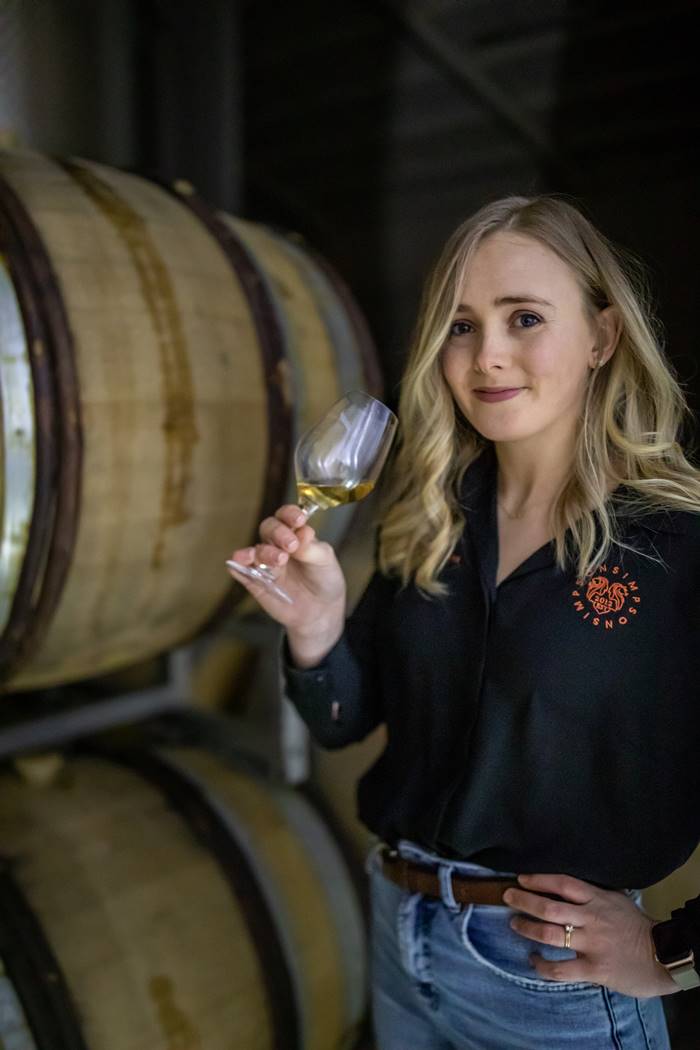
In recent years, a wave of South African winemakers has been making a notable impact on England's burgeoning wine industry. Drawn by the prospect of contributing to a nascent yet promising viticultural scene, these professionals have left behind the familiar vineyards of the Cape to explore the potential of English wines, particularly sparkling wines. Their arrival marks a significant chapter in the evolution of English viticulture, bringing fresh perspectives and a resilient spirit to a landscape rife with both challenges and opportunities.
One of the most prominent examples is Cara Dely, who became the head winemaker at Bolney Wine Estate in Sussex in 2021. Her entry into English winemaking coincided with one of the most difficult harvests in recent memory, as persistent rainfall created less-than-ideal conditions. Additionally, logistical complications stemming from the COVID-19 pandemic and a shortage of labor compounded the difficulties. Despite these hurdles, Dely chose to remain in England, viewing the temperamental English climate not as a deterrent, but as an opportunity for innovation. Her journey highlights the adaptability and perseverance that many South African winemakers have brought to their new environment.
The Wilks family from Johannesburg represents another facet of this trend. They purchased a vineyard in Terlingham, Kent, a decision that initially raised eyebrows among their South African peers who were skeptical about England's suitability for viticulture. However, the Wilks family, bolstered by the support of pioneering winemaker Kobus Louw—who has been in the UK since 2001—has successfully established themselves. Louw is part of a broader South African community that has found England to be fertile ground for pursuing their passion for wine.
Interest in English viticulture is not a new phenomenon. As far back as 1988, American couple Sandy and Stuart Moss recognized the potential of English soil and climate for producing sparkling wines. They planted vineyards at Nyetimber, and their early success with a sparkling wine in 1992 spurred other producers in the region to follow suit. Today, England boasts over 3,800 hectares of vineyards, primarily concentrated in the southeast, and has gained international recognition for the quality of its sparkling wines. This burgeoning reputation has drawn international experts like Pieter Ferreira, a key figure in South Africa's Cap Classique industry, who now collaborates with Hambledon Vineyard in Hampshire.
Den'e van Wyk is another South African winemaker who has found England to be a land of opportunity. After relocating to London with her husband, Van Wyk joined Simpsons Wine Estate in Kent as an assistant winemaker in 2023. She was captivated by the potential of English viticulture and the country's growing connection to the global wine scene. While she acknowledges the climatic challenges—such as high acidity and low sugar levels in the grapes—Van Wyk sees these as chances to innovate and create distinctive wines.
The South African influence extends beyond winemaking to vineyard management and wine tourism, sectors in which South Africa has long been a global leader. Johann Fourie, formerly the chief winemaker at KWV and now at Leonardslee Lakes & Gardens, has introduced the Pinotage grape variety to England, exploring its potential to produce both sparkling and still wines in the country's evolving climate. This innovation exemplifies the pioneering spirit of South African winemakers who are helping to redefine English viticulture and position the country as a rising contender on the international wine stage.
The arrival of South African winemakers in England represents more than just a cultural exchange; it is a melding of traditions and expertise that is reshaping the future of English wine. As these winemakers navigate the unique challenges of their new environment, they bring with them a wealth of knowledge and a willingness to experiment, laying the groundwork for a vibrant and diverse wine industry in England. The contributions of these South African professionals are not only enriching the English wine landscape but also helping to propel it onto the global stage, where English sparkling wines, in particular, are beginning to hold their own among the world's best.