Sonoma State study finds wine tourists defy national stereotypes
Surveying 809 consumers, researchers said wine knowledge and personal values explained about twice as much as nationality
Friday, November 13, 2026

Views › 392
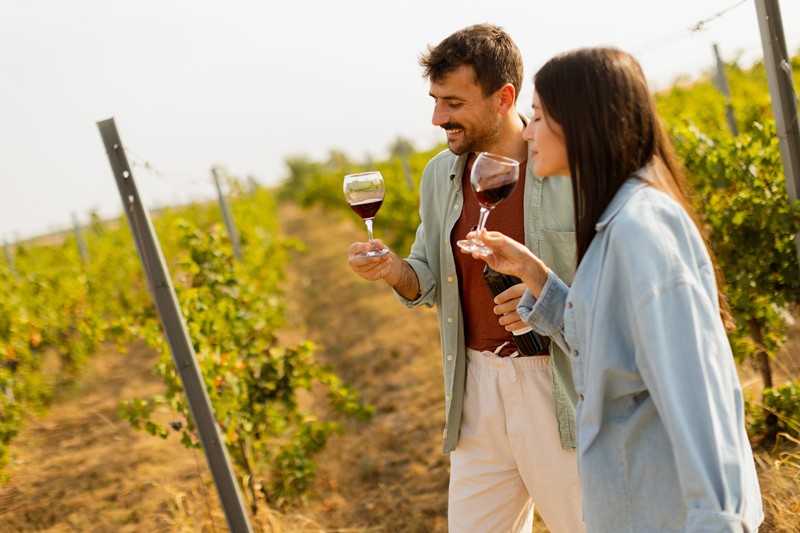
A Sonoma State University study released on Thursday, November 12, is challenging a common idea in wine tourism: that visitors from the same country tend to want the same kind of winery experience.
Researchers at the university’s Wine Business Institute said their findings point in a different direction. After surveying 809 wine consumers in France, mainland China, South Korea and the United States, and interviewing 14 wine professionals across six markets, the team found that a visitor’s knowledge of wine, level of interest in it and personal values around wine were much more useful in explaining preferences than nationality.
The study was led by InHaeng Jung, an assistant professor at the Wine Business Institute, with support from a Great Wine Capitals International Research Grant. According to the researchers, the results are especially relevant for Sonoma County, where wineries serve travelers from many countries and often have to decide how to shape tastings, tours and other hospitality offerings.
The team identified four broad visitor profiles. Some respondents wanted a full winery experience. Others were mainly interested in the wine itself and preferred expert guidance. Another group favored exploring on its own, while a fourth showed limited interest in the visit. All four groups appeared in each country in roughly similar proportions, a finding that undercuts the idea that nationality alone can guide the design of winery visits.
“Nationality may help wineries decide which markets to target,” Jung said in the university’s release. “But it does not tell you what an individual visitor wants. You have to ask.”
The researchers said wine involvement, perceived wine knowledge and the meanings people attach to wine explained about twice as much variation in visitor preferences as nationality did. Taken together, those factors explained about eight times as much as age, gender, education and income.
The study also challenged assumptions about which experiences visitors value most. Hands-on activities such as harvest work, cellar tours and blending sessions ranked lowest among four experience categories in all four countries, including the United States. By contrast, respondents placed greater value on learning about wine and spending time in an appealing setting. American and French participants showed the strongest preference for the setting over hands-on activities.
Preferences around guided tastings were less predictable. The study found that neither nationality nor wine knowledge reliably explained who wanted a guided format and who did not. About 25% of respondents in every country strongly preferred to explore independently, suggesting that tasting rooms built entirely around guided experiences may miss a substantial share of visitors.
Jung said wineries should consider offering both guided and self-directed options and make that choice available during the booking process. For producers, that could have practical value beyond hospitality. Tasting rooms are often used not only to host visitors but also to build direct sales and brand loyalty, so a better match between the visit format and the guest’s expectations could help wineries refine service without relying on national stereotypes. The same logic could influence how other beverage businesses think about consumer experiences tied to education, sampling and on-site visits.
The study comes as some wineries face a softer U.S. market and more resistance to tasting fees, according to wine professionals interviewed by the researchers. Jung said some changes suggested by the findings would not require major new spending. Among them are using tasting notes that connect wine to everyday experiences, asking guests how they plan to drink a wine before recommending food pairings, and testing simpler service formats across all visitors rather than building separate programs for different national groups.
The report also includes a two-minute visitor questionnaire that wineries can add to their booking process at no cost, according to the university. The idea is to gather information about a guest’s interests before the visit begins, allowing wineries to adjust the experience more precisely.
Jung presented the findings in October at the OIV World Congress of Vine and Wine in Ningxia, China, where about 200 attendees followed the presentation in six languages, the university said. She later presented the research at the Great Wine Capitals Knowledge Day in Hawke’s Bay, New Zealand, to about 120 wine and tourism leaders from member regions, including Napa Valley.
Susan R. Lin, president of the Asian Wine Association of America, said in her review of the report that wineries should not confuse a visitor’s place of origin with the type of wine tourist that person is.
The study’s co-investigators were Anqi Luo of The Hong Kong Polytechnic University, Tian Ye of Leeds Beckett University and Magalie Dubois of Burgundy School of Business. Jung also directs Sonoma State’s Grape Expectations Research Lab, which studies how consumers choose, buy and experience wine, with a focus on wine tourism, sustainable consumption and wine marketing. According to the university, students in the lab take part in research design, data collection, analysis and joint work with faculty and industry partners.