Kenya Clears Asahi’s $2.3 Billion EABL Deal With a 20% Cooler-Space Condition
The ruling gives the Japanese brewer control of Diageo’s 65% stake and reserves store refrigerator space for rivals.
Monday, September 14, 2026
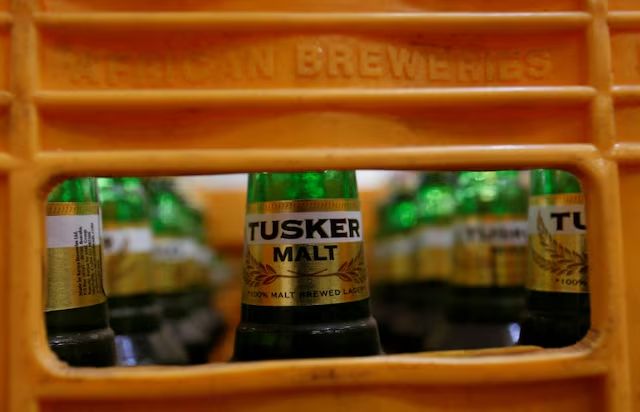
Kenya’s competition authority has approved Asahi Group Holdings’ purchase of Diageo’s 65% stake in East African Breweries Limited, clearing a US$2.3 billion deal that gives the Japanese drinks group control of one of the largest alcohol businesses in East Africa.
The approval, announced by the Competition Authority of Kenya on Friday, comes with a condition aimed at protecting rivals’ access to retail cold storage. The regulator said the combined business must reserve at least 20% of the refrigeration space it provides to stores for products that are not branded by EABL or Asahi.
That requirement addresses an important part of the retail drinks market in Kenya and the wider region, where access to chilled shelf space can influence what consumers see and buy. By making room for competing products, the regulator is trying to limit the risk that a larger, vertically stronger owner could use cooler space to shut out smaller brands.
The transaction was first announced in December 2025, when London-listed Diageo said it would sell its controlling interest in EABL as part of a strategy to exit the African market. EABL is best known for beer, but it also markets spirits and other alcoholic beverages, meaning the price of the deal cannot be tied only to brewing assets.
In its statement, the Kenyan authority said the approval covers the transaction involving Diageo Kenya Limited and UDV Kenya Limited. It said Asahi’s acquisition would amount to sole control of Diageo’s Kenyan assets tied to EABL.
The regulator also imposed other safeguards. It said EABL must set aside enough funds from the transaction to meet any outstanding liabilities. It added that the merger must not harm continuity of supplies and services or undermine the sustainability and growth of small businesses that depend on the company’s distribution network.
Those conditions suggest the authority looked beyond ownership change alone and considered the effect the deal could have on retailers, distributors, and supply chains. EABL has a broad footprint in Kenya’s beverage market, and its distribution infrastructure reaches a large number of outlets, from supermarkets to smaller neighborhood shops.
The refrigerator-space condition is especially notable because it turns access to cold storage into an explicit competition issue. In many Kenyan retail outlets, branded refrigerators are supplied by beverage companies, giving them a strong presence at the point of sale. Requiring a minimum share of that space for rival products is intended to prevent exclusivity from becoming a barrier to competition after the takeover.
The deal had faced legal and procedural obstacles in Kenya before the approval. One challenge came from distributor Bia Tosha, which filed a suit over the transaction. That case was dismissed in April. In June, EABL asked Kenya’s chief justice to speed up related hearings, underscoring the pressure to resolve disputes around the sale and move the process forward.
The clearance gives Asahi a major platform in East Africa at a time when large global drinks companies are reassessing where they want to deploy capital. For Diageo, the sale marks a significant step in its planned retreat from the region. For Asahi, it offers a large-scale entry into a market where beer and spirits consumption is shaped not only by brands and pricing, but also by route-to-market strength, refrigeration access, and relationships with small retailers.
Kenya is EABL’s core market, but the company’s operations and brand reach extend across East Africa. That regional footprint helps explain why the acquisition has drawn close attention from regulators and market participants. A change in control at EABL affects not just production and ownership, but also how products move through the trade in one of the most important beverage markets on the continent.
Reuters, citing the regulator’s statement, reported that the approval was conditional. Bloomberg first reported the clearance on Thursday. The central development, however, is the regulator’s decision to allow the transaction to proceed while placing specific obligations on the merged business, especially on refrigerated display space and on the use of deal funds to cover liabilities and protect supply continuity.
The approval removes a major regulatory hurdle for Asahi after months of uncertainty. It also sets out a clear test for how the company will have to manage EABL’s commercial reach in Kenya: it can take control of the business, but it cannot use one of its most valuable retail advantages entirely for its own products.