World Cup crowds lift pub sales in Britain
Hospitality sales rose just 0.2% in June as restaurants and bars weakened despite stronger trading in pubs
Thursday, July 23, 2026
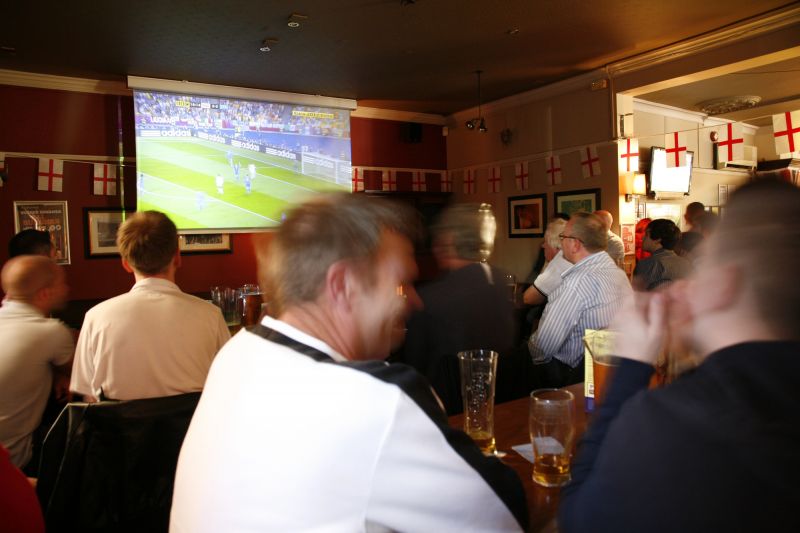
Sales at Britain’s hospitality venues were nearly flat in June as a lift from World Cup viewing in pubs was offset by weaker trading at restaurants and bars, according to the latest Hospitality Business Tracker from NielsenIQ and RSM.
The monthly tracker said like-for-like sales across the sector rose just 0.2% from a year earlier. Pubs posted the strongest result, with sales up 1.9%, helped by football fans gathering to watch World Cup matches. Restaurants slipped 0.7%, while bars saw the sharpest decline, down 5.8%.
The figures point to a split in consumer spending across the on-trade market at the start of summer. Venues tied to live sports and group drinking occasions appear to have benefited from match traffic, while operators that depend more on sit-down meals or late-night bar trade faced a tougher month.
That matters for drinks suppliers as they plan inventory and promotions for the hospitality channel. A month in which pubs outperform restaurants and bars can shift demand toward beer, cider and other high-volume pub serves, while softening orders for wine, spirits and mixed drinks in parts of the market that are under more pressure. The effect will vary by venue and region, but the June pattern offers an early signal about where beverage spending may be concentrating.
The tracker was published on Thursday by NielsenIQ, the consumer intelligence company, and RSM, the audit, tax and consulting firm, as part of their regular measure of trading conditions in Britain’s managed hospitality sector. Like-for-like sales compare performance at sites open for at least a year, a metric widely used to strip out the effect of openings and closures.
The June reading suggests that major sporting events can still provide a meaningful boost for pubs even when broader hospitality demand remains subdued. But it also underlines how uneven that benefit can be across the sector. Restaurants did not share in the same uplift, and bars continued to lag despite the seasonal calendar.
For operators, the data adds to concerns about fragile consumer confidence and selective spending habits. Households may still be going out, but they appear to be choosing occasions more carefully, favoring event-led visits over broader discretionary dining or drinking.
For beverage producers and distributors, that kind of divergence can affect everything from keg volumes and packaged beer allocations to wine lists, cocktail menus and promotional timing. If pub-led traffic continues through the summer around sports or other communal events, suppliers may need to adjust assortments toward faster-moving categories in those venues while remaining cautious about demand in restaurants and standalone bars.
The June results also show how narrow overall growth was. With total like-for-like sales up only 0.2%, even a modest gain in one part of hospitality was not enough to pull the wider market into stronger expansion. That leaves many businesses exposed to rising costs and thin margins if customer traffic does not improve more broadly in the coming months.
NielsenIQ and RSM said the World Cup helped support pub trading during the month, but the broader picture for hospitality remained subdued. The contrast between pubs on one side and restaurants and bars on the other is likely to be watched closely by operators, brewers, wine merchants and spirits companies as they assess summer demand across Britain’s eating and drinking-out market.