E.U. Ministers Fail to Agree on New Russia Sanctions Package
The bloc kept talks alive on a 21st round of measures as officials pushed for 250 new sanctions listings despite internal divisions
2026-07-13
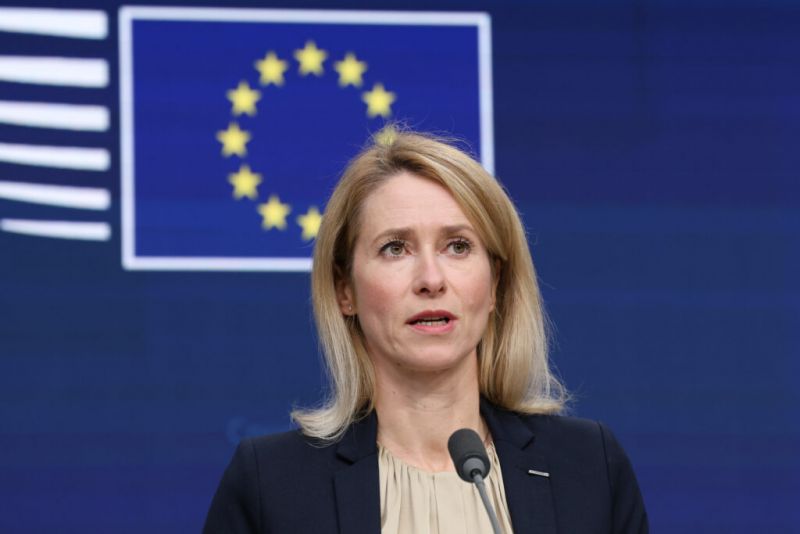
European Union foreign ministers met in Brussels on Monday without reaching agreement on a proposed 21st package of sanctions against Russia, according to the bloc’s foreign policy chief, Kaja Kallas, who said talks were still open on several key measures.
Before the meeting, Kallas said EU countries could still decide on Monday to add 250 individuals and entities to the existing Russia sanctions list. She said that would be the largest number of new listings adopted so far under the bloc’s sanctions regime.
“When it comes to the 21st package, there are still some open questions,” Kallas told reporters. She added that officials were hoping to secure approval for the 250 listings even if the broader package remained unresolved.
The discussions come as the EU continues to weigh how far to tighten pressure on Moscow more than four years after Russia’s full-scale invasion of Ukraine. The new package under debate is broad and politically sensitive because it touches not only on financial and trade restrictions but also on services linked to shipping and energy flows.
Lithuanian Foreign Minister Kestutis Budrys said member states had not yet reached a decision on a proposed ban involving maritime services and on tougher restrictions affecting Russian liquefied natural gas. He urged governments not to let commercial concerns weaken the bloc’s security response.
“I’m looking to see whether we are serious enough,” Budrys said. “We cannot put economic interests above security interests ... that is a very dangerous trend.”
The lack of agreement points to continuing divisions inside the EU over how to expand sanctions while limiting damage to member states’ own economies and supply chains. Sanctions packages require consensus among EU governments, which means even limited objections can delay or reshape final measures.
While the talks are centered on foreign policy and security, the outcome could also matter for beverage companies and traders with exposure to Russia or to shipping routes affected by new restrictions. Any expansion of sanctions tied to maritime services or energy could complicate payments, freight arrangements and logistics for importers and exporters of wine, beer, spirits and other drinks, especially where transport, insurance or fuel costs are linked to broader trade disruptions.
For now, EU officials appear to be separating two tracks: a possible immediate move to expand the sanctions list by 250 names, and continued negotiations over the wider 21st package. No timetable was announced for resolving the remaining disputes, but Monday’s ministerial meeting in Brussels was expected to test whether member states were ready to back tougher measures despite concerns over economic fallout.
