A study finds spontaneous wine fermentation drives distinct aroma compounds through active microbial metabolism.
Researchers traced how eco-viticulture and native microbes shape Cabernet Sauvignon flavor by altering gene expression during fermentation.
Thursday, June 18, 2026
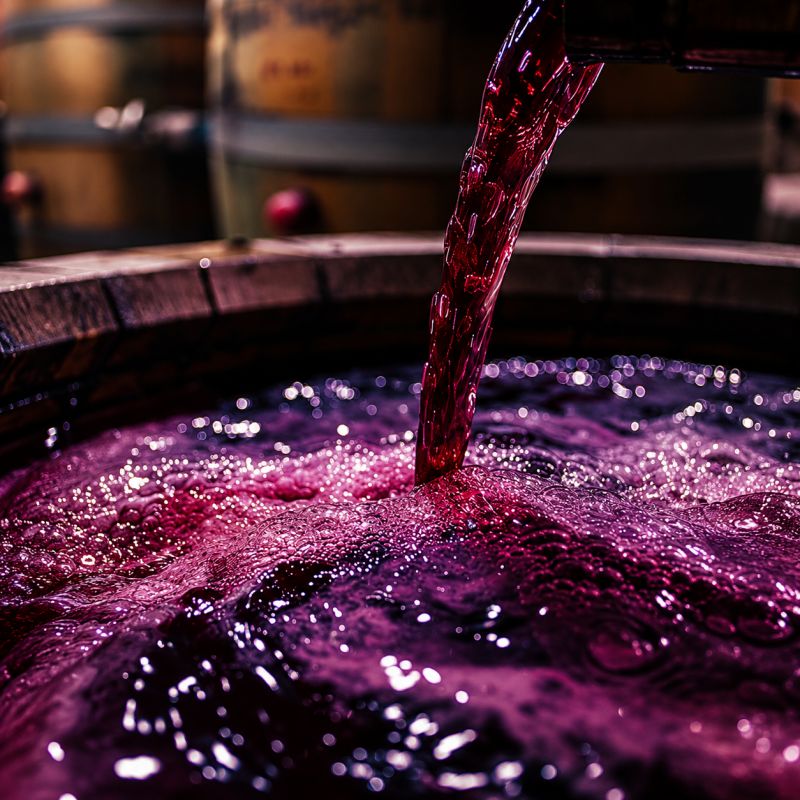
New research in the International Journal of Food Microbiology points to a clearer link between how grapes are grown, how wine is fermented and which aroma compounds end up in the glass.
The study, published June 16, examined Cabernet Sauvignon fermentations from Penglai, in China’s Shandong province, using a combination of metatranscriptomics, which tracks active gene expression in microbes, and metabolomics, which measures chemical compounds tied to flavor and aroma. The work compared two vineyard systems and two winemaking approaches: conventional management versus an eco-viticulture model with fewer chemical inputs, and spontaneous fermentation versus controlled fermentation with commercial yeast.
The researchers said the goal was to move beyond broad correlations between microbes and flavor compounds and identify which microorganisms were actively driving specific metabolic pathways during fermentation. That question has become more important as producers show greater interest in low-intervention and natural wines, while also trying to maintain consistency and quality.
The trial used a factorial design with two cultivation systems, two vinification strategies and three biological replicates. According to the paper, all fermentations completed normally, with sugars fully depleted and final alcohol levels ranging from 9.50% to 10.55% by volume.
The strongest contrast appeared between spontaneous and controlled fermentations. Spontaneous lots showed greater diversity among active microbes. They were dominated by Saccharomyces cerevisiae along with Kazachstania humilis, Hanseniaspora uvarum and Leuconostoc pseudomesenteroides. At the transcript level, these mixed native communities showed stronger activity in amino acid and lipid metabolism.
That pattern matched higher concentrations of several compounds associated with aroma and mouthfeel, including ethyl acetate, phenethyl alcohol, unsaturated fatty acids and amino acids. The authors linked coordinated expression of amino acid transaminases and fatty acid synthases in multispecies fermentations to increased production of higher alcohols and fatty acids.
Controlled fermentations followed a different path. The paper reported higher levels of phenolic compounds as well as medium- and long-chain fatty acids and their ethyl esters. In those wines, elevated expression of alcohol acetyltransferase genes in S. cerevisiae was associated with stronger ester biosynthesis.
The cultivation system also mattered. Grapes from the eco-viticulture plots entered fermentation with higher maturity, including higher reducing sugars such as glucose and fructose and lower titratable acidity than grapes from conventionally managed vineyards. The researchers argued that these differences in grape condition, together with shifts in vineyard microbiota shaped by farming practices, influenced microbial succession during fermentation and the resulting metabolite profile.
The study was carried out at two Cabernet Sauvignon vineyards operated by Junding Winery Co., Ltd. in Penglai. Conventional plots followed standard regional practice with routine use of chemical fertilizers, herbicides, pesticides and fungicides through the growing season. The eco-viticulture plots were managed under what the authors described as an extra-simplified ecological system designed to reduce chemical intervention.
For wine producers, the findings offer a more functional map of what happens during fermentation than earlier DNA-based surveys alone. Metagenomic studies can show which organisms are present or what they may be capable of doing, but they do not distinguish between dormant cells and microbes that are metabolically active at a given stage. By focusing on RNA expression alongside chemical analysis, the new work aimed to show which pathways were actually operating as aromas formed.
That distinction could have practical value for wineries trying to shape style with less trial and error. Spontaneous fermentation is often valued for complexity and for expressing local microbial populations, but it can also be harder to predict. Controlled fermentation tends to offer more consistency, especially when commercial yeast strains are used. The paper suggests those choices do not simply alter microbial composition; they change active metabolism in ways that can be traced to specific classes of flavor compounds.
The authors said their results support the idea that wine should be viewed as part of a grape-to-wine continuum in which vineyard management affects grape physiology and microbial ecology before fermentation even begins. In that framework, farming decisions may influence not only fruit chemistry but also the active microbial networks that later shape aroma development in the cellar.
The research adds to a growing body of work around natural wine and sustainable viticulture, fields that have drawn rising commercial attention as consumers seek products made with fewer inputs and more transparent production methods. It also reflects a broader scientific push to explain sensory outcomes through measurable biological mechanisms rather than simple association.
The paper was written by Yinting Ding, Wanni Wang, Tingting Luo, Manshun Liu, Zhengwen Zhang, Yinghui Song, Hua Wang, Hongyu Zhao and Hua Li. The authors reported no competing financial or commercial interests. Funding came from a project on key technologies for the sustainable development of the wine industry.