Bacardi expands its global pact with ecoSPIRITS to scale reusable spirits packaging
The deal follows a cruise pilot that Bacardi says eliminated more than 130,000 glass bottles and 82,000 kilograms of waste
2026-07-20
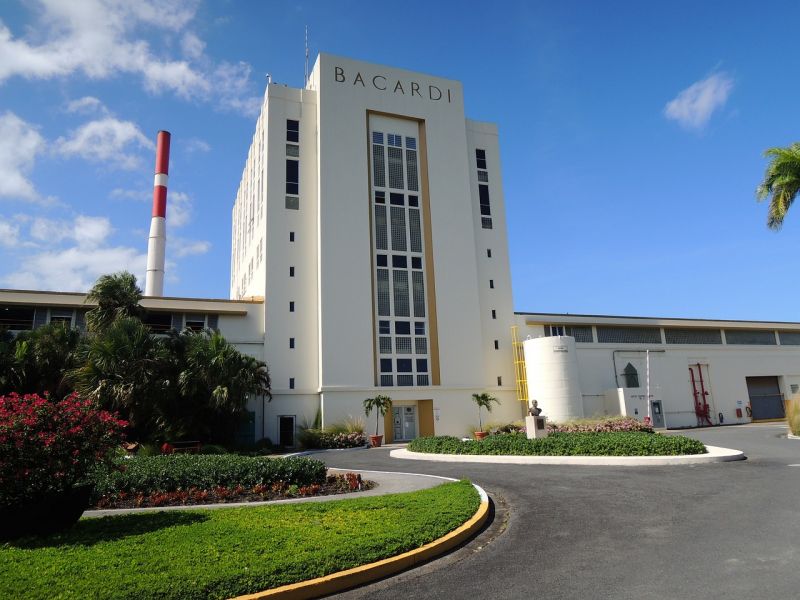
Bacardi has signed a new global agreement with ecoSPIRITS to expand its use of circular packaging technology, extending a partnership that began in 2023 and has already been tested in the cruise business.
The agreement, announced Thursday by Bacardi, gives the spirits company access to ecoSPIRITS’ full circular platform, including the ecoTOTE reusable container system, SmartPour dispensing technology, ecoPLANT infrastructure and the CircularONE software platform. The companies said the deal is meant to broaden access for Bacardi brands and create a framework for future use across more brands, sales channels and operating sectors.
The move builds on a pilot launched in August 2023 with Carnival Cruise Line using BACARDÍ Carta Blanca rum. According to Bacardi, that project showed that reusable packaging could work in high-volume cruise operations without affecting product quality or day-to-day performance. The company said the pilot has eliminated more than 130,000 single-use glass bottles and removed more than 82,000 kilograms of packaging waste.
The new agreement also formalizes a closer technical partnership between the two companies. Bacardi said it contributed directly to the development of the ecoTOTE 3.0SC Cruise Edition, a version designed for maritime use with stronger corrosion resistance and compliance with U.S. Public Health hygiene rules. The companies said they plan to continue working on packaging systems for demanding settings such as cruise ships, resorts and other high-volume hospitality venues.
Paul Gabie, chief executive of ecoSPIRITS, said the partnership began with an effort to bring circular packaging to the cruise industry for the first time and has since become a test case for how reusable systems can function in complex service environments. Rodolfo Nervi, Bacardi’s vice president for corporate sustainability, global safety and quality, said the expanded agreement fits into the company’s broader sustainability program and its effort to reduce waste while continuing to grow its business.
Bacardi said the agreement reflects rising interest in cutting dependence on single-use glass and moving toward reusable systems. For drinks producers, that matters beyond one company’s sustainability goals. If reusable distribution models prove reliable across cruise ships, hotels and large hospitality accounts, they could help set new expectations around environmental standards and operating costs in global spirits service. The same approach could also influence wine and other beverage categories that face similar pressure to reduce packaging waste without disrupting supply chains.
ecoSPIRITS describes itself as a circular economy technology company focused on low-waste distribution for premium spirits and wine. The company says its closed-loop system is now used in 28 countries across Asia-Pacific, Europe and the Americas, with adoption by more than 3,000 bars, restaurants, hotels and retailers. It says the model reduces both packaging waste and transport-related emissions by replacing single-use glass with refillable containers that circulate through a managed network.
The Bacardi portfolio includes BACARDÍ rum, GREY GOOSE vodka, PATRÓN tequila, MARTINI vermouth and sparkling wines, DEWAR’S blended Scotch whisky, BOMBAY SAPPHIRE gin and other brands sold in more than 160 markets. As part of its Good Spirited sustainability program, the company has been working to increase the use of reusable, recyclable or biodegradable packaging while also removing plastic pourers from bottles and cutting plastic from secondary packaging and point-of-sale materials.
The latest agreement does not commit Bacardi to an immediate rollout across all brands or markets. Instead, it establishes a global licensing structure that allows the company to explore wider use over time. That measured approach suggests that even as major drinks groups look for ways to reduce waste, scaling circular packaging will still depend on technical performance, hygiene compliance and whether operators in different markets can integrate refill systems into existing logistics.
