Santorini’s Assyrtiko Harvest Collapsed to 500 Tons
Heat, drought and tourism-driven water shortages are pushing winemakers to test recycled wastewater and other survival measures
2026-07-15
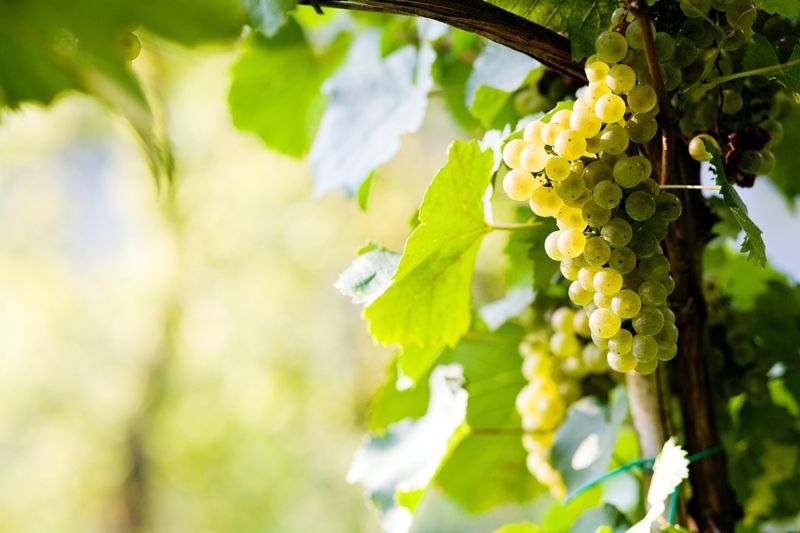
On the Greek island of Santorini, winemakers are trying to keep one of the Mediterranean’s oldest vineyard landscapes alive as heat, drought and water shortages reshape how grapes can be grown.
In a vineyard on the island, vintner Yiannis Boutaris points to a vine trained in the traditional “kouloura” style, in which the plant is woven into a basket shape to shield grapes from strong summer sun and wind. The vine had survived for 90 years before dying after prolonged heat and lack of rain, a loss that growers say reflects a broader crisis on Santorini.
Low rainfall and extreme temperatures from 2023 through 2025 have pushed grape prices sharply higher, cut wine production and renewed concern about water supplies on an island already under pressure from tourism. The problem is part of a wider trend across Greece, where climate change is bringing hotter summers and less predictable rainfall.
“The lack of rain, combined with the lack of cultivation in recent years, has effectively led to the disappearance of these old vineyards,” said Boutaris, whose winery owns vineyards but also buys grapes from growers. He said the priority for his estate is to preserve tradition while adjusting vineyard practices to new conditions.
Boutaris, a sixth-generation winemaker who runs Domaine Sigalas, now part of the Kir-Yianni group, is testing new methods with local authorities and scientists. One pilot project would use treated wastewater from homes and hotels to irrigate vines. Supporters say the approach, already used in places such as California, could prove more sustainable and less energy-intensive than relying on water from desalination plants, which are costly to operate.
He is also experimenting with planting vines in rows instead of scattering them according to older methods, with the aim of making irrigation more efficient. Another trial involves atmospheric water harvesting technology that captures moisture from the air using hydrogels powered by solar energy.
The pressure on vineyards comes as farmers compete more directly for land and water with other parts of Santorini’s economy. In the hottest months, when millions of tourists travel to islands such as Santorini, growers, hotels and swimming pool operators often draw on the same limited water resources.
Production of Santorini’s signature Assyrtiko grape fell from 2,500 tons in 2022 to just 500 tons last year. Winemakers now pay growers as much as 10 euros a kilogram for grapes, a level comparable to prices seen in wealthy wine regions such as Champagne.
“Santorini reached a critical threshold in 2023 and 2024,” said Stefanos Koundouras, a professor of viticulture at Aristotle University of Thessaloniki. He said temperatures recorded during that period were the highest in 60 years. If warming and drying continue, he added, wine growing could become less viable across Europe, especially in the Mediterranean basin.
“We are already seeing problems in terms of wine quality and character,” Koundouras said.
Another winemaker, Yiannis Papaeconomou, said he also plans to join the wastewater reuse project to irrigate his six-year-old vines. He has tested other techniques as well, including underground irrigation systems designed to reduce evaporation and trellising methods intended to make watering more effective.
“We have to adapt and move forward with a new way of thinking and find a solution,” Papaeconomou said.
Santorini’s vineyards are known not only for Assyrtiko but also for their unusual growing methods, shaped over centuries by volcanic soils, fierce winds and scarce water. For many producers, the challenge now is whether those traditions can survive under faster climate shifts than the island has faced before.
The concern extends beyond one harvest or one vintage. Older vines that once endured decades of dry conditions are now failing after repeated years of intense heat. Growers say that when those vines die, replacing them is not simple. Young plants need time to establish themselves and may require more support in their early years than previous generations did.
That raises difficult questions for an island where wine is both an agricultural product and part of its identity. Santorini’s wineries attract visitors from around the world, but tourism also increases demand for water at the same time vineyards need it most. The result is a growing tension between preserving agriculture and serving an economy centered on travel and hospitality.
For producers on the island, adaptation is no longer a long-term discussion but an immediate task. Experiments with recycled water, new planting layouts and moisture-capture systems show how quickly even historic wine regions are being forced to change as climate pressures intensify.
