Carlsberg received $320 million from Baltika’s sale in Russia
The deal settled all remaining legal disputes and let Carlsberg keep its businesses in Kazakhstan and Azerbaijan
2026-07-09
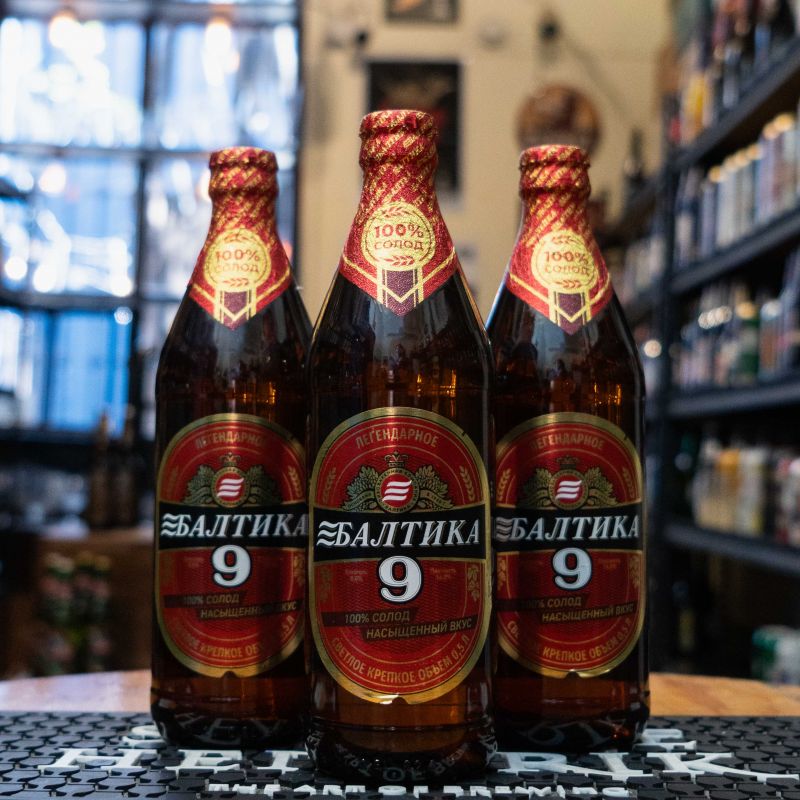
Carlsberg has received about 2.3 billion Danish crowns, or roughly $320 million, from the sale of Baltika, the Russian brewer that had been one of the Danish group’s most important assets in Russia, according to AK&M, citing Forbes.
The payment is tied to an agreement that also resolved all remaining legal disputes between the parties, including issues involving intellectual property rights. That point is significant for a brewer whose value depends not only on factories and distribution, but also on brands, recipes and licensing arrangements that shape how beer is produced and sold across markets.
Carlsberg also kept full ownership of Carlsberg Kazakhstan and Carlsberg Azerbaijan under the deal, preserving two operations outside Russia that remain part of its regional business. Retaining those assets limits the spillover from the Baltika sale and helps protect Carlsberg’s position in neighboring beer markets.
Baltika is one of Russia’s largest brewing companies, with breweries in eight cities: Voronezh, Novosibirsk, Rostov-on-Don, Samara, St. Petersburg, Tula, Khabarovsk and Yaroslavl. The scale of that network has long made the company a major force in Russian beer production and distribution.
AK&M reported that the identity of Baltika’s new owner had become known earlier, though the brief report did not provide further details in the text cited. The transaction closes a chapter in Carlsberg’s effort to exit the Russian market while settling disputes linked to the transfer of a large brewing business.
Financial results published for Baltika show why the asset remained important despite recent strain. Revenue at Baltika Brewing Company LLC rose to 109.27 billion rubles in 2023 from 100.7 billion rubles a year earlier, according to AK&M. At the same time, the company posted a net loss of more than 28 billion rubles, compared with a profit of 9.95 billion rubles in the previous year.
For the beverage industry, the settlement matters beyond one corporate sale. It removes a layer of legal uncertainty around a major brewer in Russia and may reshape supply relationships, brand control and competitive dynamics in one of the world’s large beer markets. It also shows how international drinks groups are trying to separate regional assets, protect trademarks and preserve viable businesses in nearby countries when political and regulatory pressure forces them to redraw their footprint.
