INAO opens a new fight over French wine appellation boundaries
At a terroir congress in Angers, the regulator spotlighted climate-driven remapping, sustainability rules and a first test case in Côte Roannaise
2026-07-06
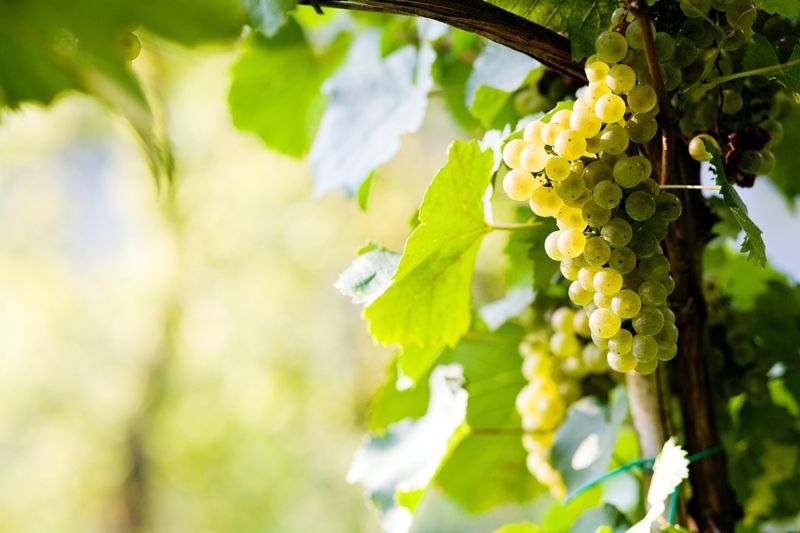
France’s national institute for origin and quality, known as INAO, opened its participation Monday at the 16th International Terroir Congress in Angers by outlining three projects that could shape how French wine appellations are mapped, evaluated for sustainability and adapted to climate change.
The congress is being held from July 6 through July 9 at the ESA Campus in Angers and is bringing together scientists, academics and industry experts from several countries to examine the links between vineyards, local environments and the know-how that underpins the idea of terroir. The event includes conferences, scientific sessions, field visits and exchanges among participants. It is also hosting the third ClimWine symposium.
INAO said its presentations focus on the sustainability of wine sectors and on regulatory tools tied to geographical indications. The institute’s agenda comes at a time when French wine regions are facing pressure from shifting weather patterns, weaker consumption in some markets and broader social expectations around environmental performance.
One of the projects presented in Angers concerns territorial diagnosis and the delimitation of protected designation of origin wine areas in France. According to INAO, France has 386 wine AOPs linked to 505,000 hectares of vineyards. Those vineyards account for 64% of the country’s vineyard area and 41% of wine production. Under the French appellation system, each AOP is defined by strict production rules and a fixed production zone. Within those zones, grapes must come from selected plots identified through environmental criteria and historical use.
Producers and their collective organizations can ask for revisions to those production areas. INAO said it then carries out an inventory of existing zoning to clarify land-use issues tied to those requests. The institute described that approach as innovative and said it has been applied systematically since 2025.
That work matters beyond administrative mapping. Any revision to AOP boundaries can affect which vineyard parcels qualify for appellation status, a decision that may influence land values, planting strategies and long-term supply for wineries. For the beverage sector, especially wine producers working under geographical indications, changes in delimitation can also alter how typicity is protected and how producers position their wines in domestic and export markets.
A second project presented by INAO deals with strengthening the sustainability of French wine geographical indications through a methodology designed to be used across all French GIs. The institute said geographical indications can be seen as sustainable by nature because they are built on a strong link between a product and its terroir. But it added that those systems now face several challenges, including market instability, lower consumption, climate change and stronger societal expectations.
In response, INAO said it has developed and is deploying a methodology that can be applied across French geographical indications. The institute did not present it as a final solution to those pressures, but as a framework intended to help GI systems reinforce their durability in a more competitive environment.
For wine producers, that effort could carry regulatory weight over time if common sustainability criteria begin to shape how appellations are managed or reviewed. It may also matter for other beverage categories protected by geographical indications if similar methods influence broader policy discussions about origin-linked products in France.
The third project highlighted in Angers centers on climate adaptation in the Loire department through the example of the Côte Roannaise appellation. INAO said the AOP is known for red wines and is located in a foothill area. Producers there have observed that climate change has raised alcohol levels in their wines while reducing acidity and bringing riper flavor notes. According to the institute, those changes move the wines away from the fresh and lively style associated with the appellation.
To preserve those characteristics, growers asked INAO to revise parcel delimitation, which the institute described as a first in France aimed specifically at adapting to climate conditions. The idea is to move vineyards higher in altitude to offset earlier ripening and reduce exposure to spring frosts, which have become more frequent lower on the slope.
That case is likely to draw attention well beyond one small appellation because it points to a possible new path for climate adaptation inside France’s tightly regulated wine system. If similar requests emerge elsewhere, regulators and producers may need to decide whether preserving an appellation’s identity means keeping boundaries fixed or adjusting them as growing conditions change.
The debate goes to the center of how terroir is defined in practice. In France, appellations are built on geography, history and production rules that are meant to protect distinctiveness. But rising temperatures and more erratic weather are forcing producers and regulators to test whether those protections can remain credible without some flexibility.
By choosing Terclim as the venue for these announcements, INAO placed technical regulatory questions inside a broader scientific discussion about viticulture and climate. That setting reflects how decisions once treated mainly as administrative matters are increasingly tied to research on soils, altitude, exposure and long-term vineyard resilience.
The institute’s presence at the Angers meeting also signals that climate adaptation is no longer being discussed only in terms of farming practices such as canopy management or harvest timing. It is now reaching into the legal architecture of appellations themselves, including where vines may be planted and how origin claims are justified.
For producers across French wine regions, that shift could become one of the most important policy developments now underway. Appellation boundaries, sustainability standards and climate adaptation measures all affect how wines are made, marketed and recognized. Even when changes begin with technical studies or pilot cases, they can eventually reshape competitive conditions across the beverage industry.
