Diageo plans to cut staff by up to 30% in parts of its business
Dave Lewis is pushing deep overhead reductions as weaker spirits demand weighs on sales, morale and investor confidence
2026-07-22
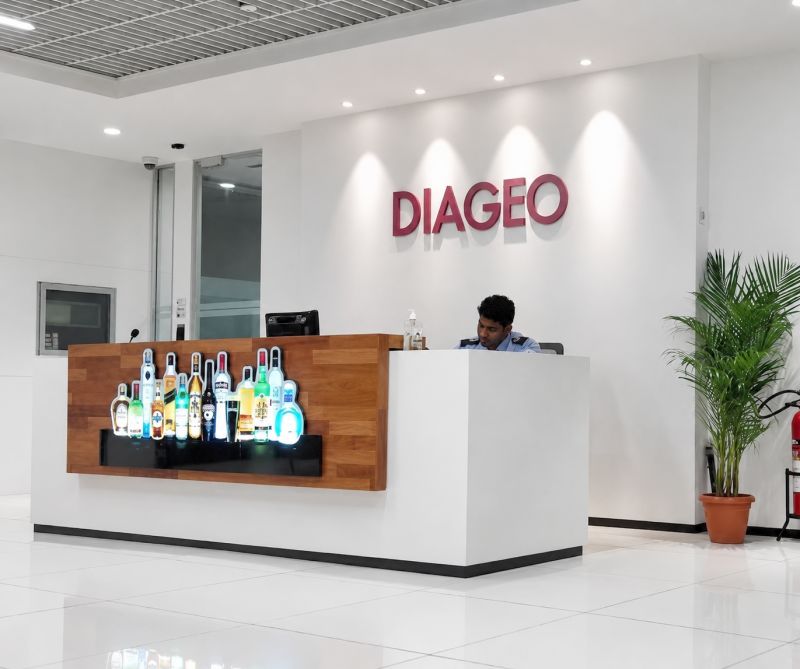
Diageo is cutting staff in some parts of its business by about 20% to 30% as new chief executive Dave Lewis pushes deep overhead reductions to improve performance at the world’s largest spirits company, according to three people familiar with the plans.
The cuts mark one of the clearest signs yet of how aggressively Lewis is moving after taking over in January. He arrived at a difficult moment for the maker of Johnnie Walker, Smirnoff and Guinness owner-linked drinks brands, with weaker spirits demand, especially in the United States, weighing on sales and investor confidence. Lewis is expected to present his broader strategy at an investor day on August 6.
According to two of the people, Lewis gave the order for lower overhead spending during a meeting with Diageo business leaders in Edinburgh in the company’s fiscal fourth quarter, which ended in June. One person said a group of about 100 senior leaders is expected to end up 20% to 30% smaller once the restructuring is complete. Another said one large regional business unit is cutting between 25% and 30% of its staff.
That same person said Lewis also ordered overhead reductions of up to 40% in some markets and as much as 50% in one centralized global unit. Managers have been looking at office closures and other savings measures in an effort to limit job losses, the person said.
Some employees have already lost their jobs, according to two of the people. It was not clear how far the process has advanced across the company or how many positions could be eliminated in total. Diageo employed more than 29,000 people at the end of its 2025 fiscal year.
A Diageo spokesperson pointed to plans announced in February to redesign the company’s operating model to improve competitiveness and support sustainable returns. The spokesperson said the company would prioritize informing employees first about any organizational changes and would update shareholders on progress at its capital markets day on August 6.
The scale of the reductions has unsettled staff, according to two of the people familiar with the matter, who said morale has been hit. One described the cuts as far larger than many employees expected. A third person close to the situation said business leaders were given cost-reduction targets but were left with flexibility on how to meet them.
Investors had already been expecting cost cuts under Lewis, who built a reputation earlier in his career for tough restructuring moves. Still, the size of the reductions now under way appears to go beyond what had been publicly known. Diageo shares rose more than 2% earlier Wednesday after news of the cuts emerged and were still up 1.9% by early afternoon in London.
The pressure on Diageo has been building for several years. Demand for spirits has softened in key markets, with U.S. consumers pulling back on alcohol spending as living costs remain high. Concerns about slower growth have helped drive Diageo’s share price down by more than half over the past five years.
Before Lewis joined, Diageo had already launched its Accelerate program, which targets $625 million in total cost savings by 2028 along with asset sales. In a trading update published in May, the company said that program was on track to deliver about $300 million in savings in its current fiscal year. It remains unclear whether the latest directive from Edinburgh is part of that existing plan or an additional effort layered on top of it.
In the first six months of its current fiscal year, Diageo reported that operating margin rose 85 basis points to 29.8%, driven mainly by the positive effect of asset sales rather than a broad recovery in underlying demand.
Barclays analyst Laurence Whyatt said in a note that the reported job cuts suggest savings could exceed his earlier forecast for a 25 basis point increase in Diageo’s operating margin next year. He also said the developments raise expectations that Lewis could unveil a larger and faster cost-cutting program at the August investor event than shareholders had previously assumed.
For the beverage industry, Diageo’s moves are being watched closely because they reflect how much pressure remains on major drinks groups after a long period of weaker demand and tighter consumer spending. Cuts on this scale can help protect margins, but they may also signal changes in commercial strategy, investment priorities and how large producers allocate resources across spirits portfolios and markets.
