Canned cocktails have become one of Britain’s fastest-growing drinks categories
Sales have more than tripled since 2020 as supermarkets widen ranges and consumers trade bar prices for portable margaritas and spritzes
Thursday, June 25, 2026
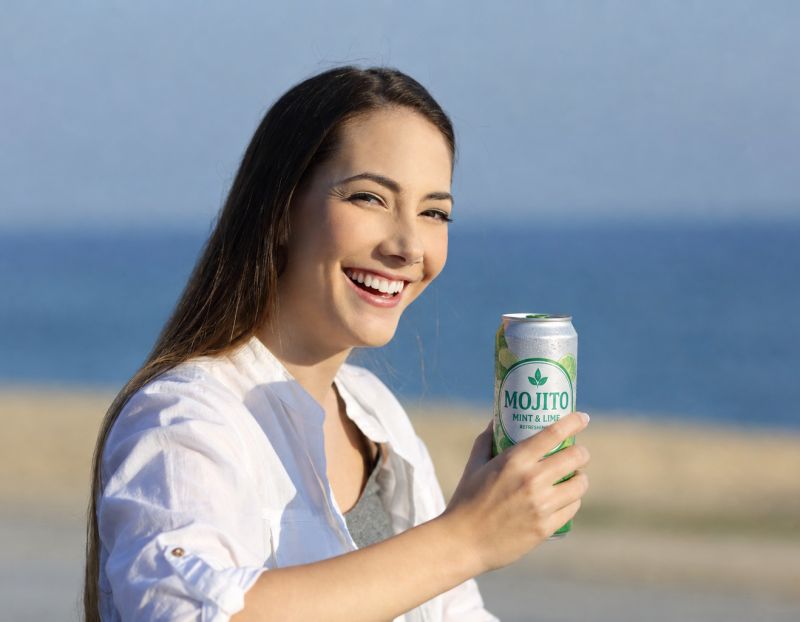
Canned cocktails have moved from a niche product to a mainstream alcohol category in Britain, with supermarkets, convenience stores and specialty brands pushing ready-to-drink margaritas, mojitos, negronis and spritzes far beyond the old gin-and-tonic can.
The shift is visible in stores and in sales data. According to IWSR, the drinks data and insights provider, British consumers bought more than three times the volume of premixed cocktails last year than they did in 2020. The group said 2026 is on track for another strong year, helped in part by warm weather and major sporting events.
Marks & Spencer, which began selling canned cocktails 40 years ago, now offers more than 40 varieties starting at £2.50 each. The retailer says it sells 150 cans a minute during summer weekends. Other chains have also expanded their ranges. Ocado and Sainsbury’s each stock about 50 canned cocktail products, while discount grocers and independent producers have added lower-priced spritzes as well as premium, bar-strength drinks.
The category now spans both value and upscale segments. Aldi sells a Belletti Hugo Spritz for £1.29, while premium brands such as Moth, Pimentae and Psychopomp Microdistillery market canned margaritas at prices closer to bar drinks. Some bars are also using the format as an extension of on-premise service. Federal, a bar in Manchester, has installed an on-site canning station so customers can drink one cocktail there and take another away.
Industry analysts and academics say the appeal goes beyond convenience. David Inglis, a professor of social sciences at the University of Helsinki who is writing a book on the history of cocktails, said canned cocktails carry different social signals than beer or older “alcopop” products. He said consumers often read them as more discreet, respectable and aspirational than other packaged alcoholic drinks.
That image may help explain why the category has avoided some of the backlash once directed at sweet bottled drinks such as Hooch and Smirnoff Ice. Jem Roberts, head of external affairs at the Institute of Alcohol Studies, said products such as BuzzBallz follow a familiar pattern for public health concerns around sweet, portable alcohol. But he noted that packaging and branding can change how similar drinks are perceived.
The numbers suggest canned cocktails are not driven mainly by younger drinkers. IWSR said that among canned cocktail drinkers in the UK, 40% were millennials, 26% were Gen Z drinkers over 21, 24% were Gen X and 10% were boomers. More than half were women and more than half were middle-income consumers.
Price is another factor behind the growth. A standard cosmopolitan in a bar typically contains about 100ml to 135ml and can cost at least £12, while many canned cocktails are larger and sell for much less. That gap has made the format attractive to consumers looking for lower-cost alternatives to bar service while still buying recognizable cocktail styles.
The rise of canned cocktails also matters across the broader beverage business because it is pulling demand toward higher-margin ready-to-drink formats that sit between beer, spirits and soft drinks. For retailers, the category creates more shelf competition in chilled alcohol space. For spirits producers and wine-based spritz makers, it opens a route to reach consumers who want portability, portion control and branded cocktail experiences without going to a bar.
Not all products are light in alcohol. Marks & Spencer’s margarita has an ABV of 8%, while Moth’s smaller-format version reaches 14.9%. Inglis said that once stripped of ice, glassware and bar setting, many of these drinks are still designed to deliver a strong alcoholic effect.
He also argued that technical limits shape what succeeds in cans. Simpler serves such as gin and tonic remain the most popular products because more complex cocktails can deteriorate after mixing, while sugar is often used to stabilize ingredients in sweeter styles such as limoncello spritzes.
Canned alcohol itself is not new. Canning emerged after the French government offered a prize in 1795 for a method to preserve food for transport. The first canned alcoholic beverage went on sale in 1935 through New Jersey brewer Gottfried Krueger Brewing Company. But Britain’s current embrace of canned cocktails marks a newer phase: one where packaging, branding and convenience have turned what was once a novelty into one of the country’s fastest-growing drinks segments.