New York Lawmakers Let a Bill to Sell Wine in Supermarkets Die Again
The measure stalled in committee, setting up another fight next year between grocery chains and 3,500 independent liquor stores.
Monday, July 20, 2026

Views › 2622
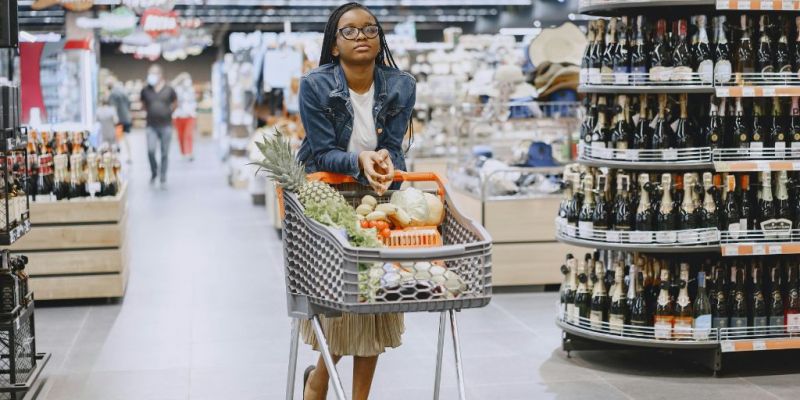
A push to let supermarkets sell wine in New York has stalled again in Albany, but the fight is set to continue next year as lawmakers, grocery chains and independent liquor stores prepare for another round in one of the state’s longest-running alcohol policy battles.
Bills that would have allowed wine sales in grocery stores died in committee when the legislative session ended in June. State Senator Liz Krueger and Assemblywoman Pamela Hunter had reintroduced a wine-in-grocery-stores measure in January, while State Senator Luis Sepulveda backed broader legislation to allow both wine and spirits sales in supermarkets. Krueger said she plans to bring back the wine bill next year, though she does not support allowing spirits sales in grocery stores.
The issue has divided New York’s beverage retail sector for years. Since the end of Prohibition in 1933, New York has kept a system that bars retail wine and spirits chains and limits licenses to one per entity. That structure has helped create a market of about 3,500 independently owned wine and liquor stores across the state, many of them family-run businesses that say their survival depends on keeping wine out of supermarkets.
“We are going to go on fighting it,” said Stefan Kalogridis, president of the New York State Liquor Store Association and owner of Colvin Wine Merchants in Albany. He said supermarket operators will keep pressing because they see wine as a major commercial opportunity. For store owners like him, he said, the concern is direct competition from larger retailers with far greater buying power and foot traffic.
Kalogridis said many liquor stores are located next to or near supermarkets and would struggle to survive if shoppers could buy wine during routine grocery trips. Opponents of the proposal argue that the current system supports small business ownership, preserves jobs and gives consumers access to a wider range of wines than they would find in mass-market grocery aisles.
Supporters of the change say New York is out of step with most of the country. Krueger said 40 other states already allow wine sales in grocery stores and that liquor stores in those states continue to operate. She argues that broader access tends to lower prices for consumers and can help increase wine sales overall.
The campaign in favor of changing the law has backing from the “New York State Of Wine” coalition, which includes Wegmans, ShopRite, Whole Foods, Stop & Shop and Instacart. Their position is that consumers should be able to buy wine where they already shop for food, and that New York wineries could gain more outlets for their products.
Krueger has also argued that wholesalers can make it hard for New York wineries to secure shelf space under the current system. In her view, opening grocery channels would expand sales and marketing opportunities for producers across the state, including wineries in regions such as the Finger Lakes, Long Island and the Hudson Valley.
Retailers reject that argument. Michael Correra, executive director of the Metro Package Store Association and co-owner of Michael Towne Spirits & Wine in Brooklyn, said allowing wine sales in supermarkets would weaken what he described as New York’s distinctive retail wine culture. He said consumers would not necessarily buy more wine; they would simply shift purchases away from independent stores.
Correra also said the change would favor large national brands over smaller producers and importers. He pointed to New York’s unusually broad retail selection, saying the state offers about 70,000 wine stock keeping units at the retail level. That depth, he said, reflects a marketplace where small distributors, local importers and specialized retailers can thrive because shelf space is not dominated by a handful of high-volume chains.
In Farmington, near the Finger Lakes, retailer Don Bombace said his store carries more than 475 stock keeping units from New York producers alone. He said independent merchants often devote substantial shelf space to local wines because they build their business around curation and regional identity rather than volume sales. Grocery stores, he said, would be more likely to focus on fast-moving national labels sold at very thin margins.
Bombace has opposed similar proposals since 2008, when he said the issue became a serious threat to independent retailers. He believes many stores located in shopping plazas with supermarkets would be hit first. In his estimate, more than 25% of New York liquor stores could close within the first year if wine sales were opened to grocery chains.
That prediction is disputed by supporters of reform, but opponents say recent developments in Colorado have strengthened their case. Colorado legalized wine sales in grocery stores in March 2023, and New York retailers now cite that state as a warning about what can happen when supermarket access expands quickly.
Mat Dinsmore, president of Colorado Independent Liquor Stores United and owner of Wilbur’s Total Beverage in Fort Collins and Wyatt’s Wet Goods in Longmont, said roughly 200 to 250 independent liquor and wine stores have closed in Colorado since the law changed. Before grocery wine sales began there, he said, Colorado had about 1,700 independent liquor and wine stores.
Dinsmore said those estimates are based on accounts that have not purchased from wholesalers for 12 to 18 months, though official closure counts can lag because some businesses do not immediately surrender or fail to renew their licenses. He said some closures involved smaller shops with infrequent wholesale orders, but larger stores have also failed.
He described sharp financial pressure on surviving businesses. At Wilbur’s Total Beverage, he said revenue is down about 27% since grocery wine sales began. Staffing has also been reduced. He said the store once employed between 42 and 47 full- and part-time workers but now has 21. Weekly scheduled labor hours have fallen from about 1,200 to around 610.
Dinsmore said those cuts have affected more than payroll. Independent retailers often sponsor youth programs, donate to nonprofit groups and support neighborhood events, he said. As margins tighten and sales decline, those community contributions are among the first things businesses scale back.
He also disputed the idea that supermarket access automatically expands total wine consumption. According to Dinsmore, Colorado has not seen a meaningful increase in overall wine sales tied to grocery availability. Instead, he said, spending has shifted away from specialty retailers toward larger chains with broader general merchandise operations.
He added that another 500 to 600 independent retail accounts in Colorado are on credit hold with wholesalers or otherwise no longer financially viable enough to buy inventory normally. In his view, many of those businesses remain open only precariously and may still close if conditions do not improve.
Krueger has pushed back on claims drawn from Colorado, saying there have been broad exaggerations about what happened there and that New York could design safeguards if it changes its law. Those safeguards could include limits intended to protect smaller retailers or encourage placement of New York wines in grocery outlets, though no final framework has been adopted because the legislation did not advance this year.
For now, New York’s existing rules remain intact. Consumers can buy beer at supermarkets but must go to licensed liquor stores for wine and spirits. That split system has long frustrated grocery operators while helping sustain one of the country’s largest networks of independent beverage retailers.
The next phase of the fight is likely to begin when lawmakers return with new bills next year. By then both sides are expected to sharpen their arguments around consumer convenience, small business survival, local winery access and lessons from other states. What failed again this session remains one of the most contested questions in New York’s food and beverage economy: whether wine belongs beside produce and pantry staples or should stay in a separate retail world built around specialized shops.