U.S. Alcohol Wholesalers Reported $15.381 Billion in May Sales
The latest Census Bureau data showed a pullback from April as beverage companies tracked demand heading into summer.
2026-07-09
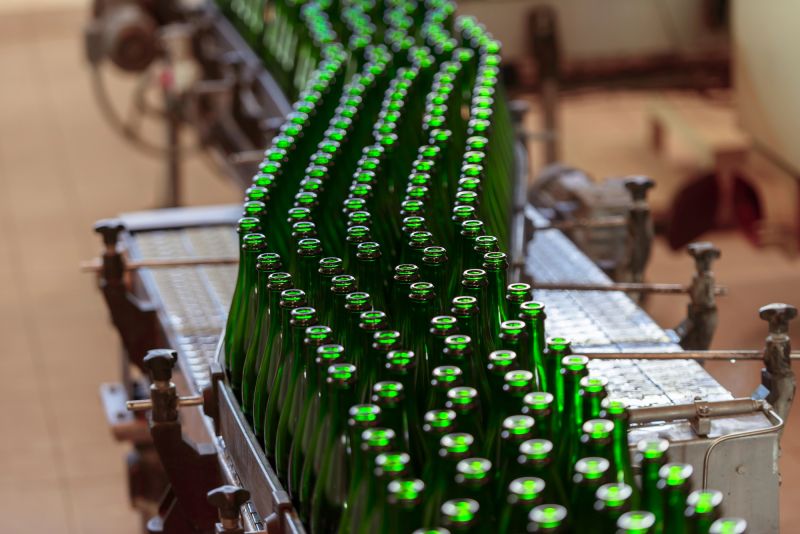
U.S. merchant wholesalers of beer, wine and distilled alcoholic beverages posted $15.381 billion in sales in May, according to updated data released by the Federal Reserve Bank of St. Louis from the U.S. Census Bureau’s Monthly Wholesale Trade report.
The May figure, which is reported in current dollars and is not seasonally adjusted, was down from $15.784 billion in April. Even with that monthly decline, wholesale sales remained above the levels recorded earlier this year, including $15.010 billion in March, $12.868 billion in February and $12.259 billion in January.
The data were updated on July 8, and the next release is scheduled for Aug. 6. The series tracks sales by merchant wholesalers in nondurable goods for beer, wine and distilled alcoholic beverages, excluding manufacturers’ sales branches and offices.
Because the figures are not seasonally adjusted, month-to-month comparisons should be read with caution. Alcohol sales often move with holidays, weather, tourism flows and restaurant traffic, all of which can affect orders placed through distributors and other wholesalers.
Even so, the May reading offers a fresh look at activity in a key part of the U.S. drinks supply chain. Wholesale sales data can help producers, importers, distributors and retailers gauge demand trends, manage inventories and watch for pressure on margins. For breweries, wineries and spirits companies, changes at the wholesale level can also provide an early signal of how much product is moving through the market before it shows up in other parts of the business.
The Census Bureau series is closely watched across the beverage industry because wholesalers sit between suppliers and stores, bars and restaurants. When wholesale sales rise or fall, it can shape purchasing plans, storage needs and pricing decisions across the alcohol market.
The latest update comes as companies across the beverage sector continue to monitor consumer spending patterns and channel shifts in the United States. A softer monthly reading does not by itself establish a broader trend, but it adds one more data point for businesses trying to assess demand for beer, wine and spirits heading into the summer selling season.
