Heat Wave Scorches Italian Vineyards With Early Signs of Grape Damage
Experts say the stress is concentrated in northern regions for now, with no evidence yet that the 2026 harvest is in danger
2026-06-29
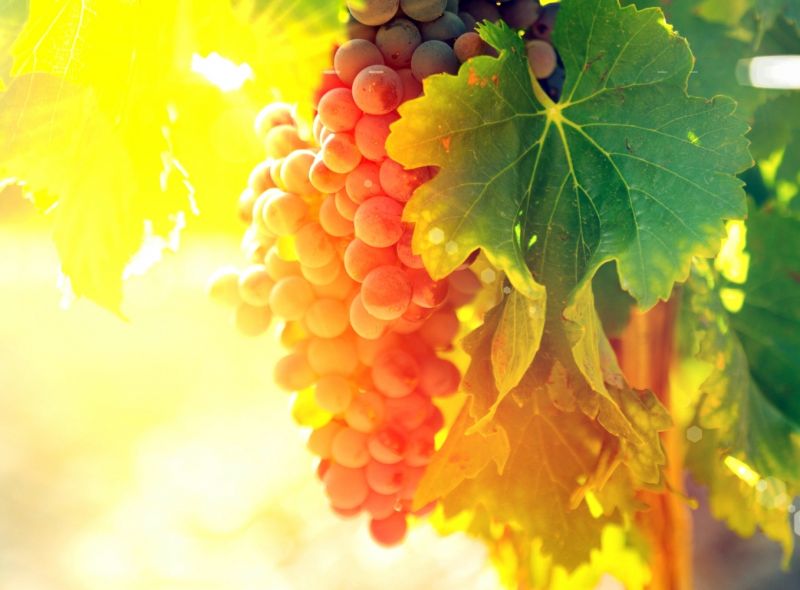
A severe heat wave across Europe is beginning to leave visible marks in some Italian vineyards, though agronomists and viticulture experts say it is too early to call the situation an emergency or to suggest that the 2026 harvest is at risk.
The first signs are appearing on grape clusters, especially in northern Italy, where high temperatures and wind have sharply increased water loss from soils and vines. Giovanni Bigot, an agronomist known for creating the Bigot Index, which tracks vineyard health through several parameters, told WineNews that many soils have lost nearly 60 millimeters of water in 10 days, roughly one-third of average water reserves.
Bigot said some vineyards are already showing partial drying of grape clusters and sunburn damage, both of which are irreversible once they occur. He said widespread major damage has not yet emerged, but the first effects can now be seen. According to his assessment, the pressure is more evident in the North than in the South. He pointed to Sicily as an example of an area where vineyard conditions currently appear better.
The recent weather pattern has added to the stress. Bigot said vines had gone through a cool and rainy first part of the season, and the sudden arrival of intense heat gave plants little time to adapt. That abrupt shift, he said, has created imbalances that are now starting to show in the vineyard.
Leonardo Valenti, a professor of viticulture at the University of Milan, also urged caution rather than alarm. Speaking to WineNews in recent days, he said there is still no reason for panic, although much depends on how long the heat persists. He said vines exposed to these temperatures tend to shut down photosynthesis and enter a kind of temporary standstill while waiting for milder conditions.
Valenti said there is relatively little growers can do in the middle of such a heat event beyond basic protective measures. He stressed that vineyard vegetation should not be removed because leaf cover helps shield grapes from extreme temperatures. He also said the issue appears more serious in central and northern Italy than in parts of the South. Referring to his own recent observations, he said he had seen no notable damage last week in Basilicata despite very hot weather there.
Both experts pointed to vineyard management as a key factor in how well vines are coping. Bigot said older vineyards are generally adapting better than younger ones because mature vines regulate themselves more effectively under stress. He also said differences are becoming clearer between growers who have continued to invest in soil care, canopy management and shading nets and those who have cut back on what he described as quality-focused vineyard work.
That distinction matters at a difficult moment for wine producers, many of whom are already dealing with weak market conditions and tighter budgets. Bigot warned that reducing spending on vineyard management can have visible consequences when extreme weather arrives. In his view, each growing season now brings some form of climate-related challenge, and long-term attention to vineyard health is increasingly separating stronger-performing sites from weaker ones.
Valenti made a similar point about preparedness. He said growers have not yet broadly adopted some of the protective strategies that could help reduce heat damage, including covering fruit with nets or other systems. Without those measures, he said, vineyards remain exposed to the specific problems of each vintage.
For now, much depends on forecast rain and whether it brings relief without causing new damage from violent storms or hail. The experts interviewed by WineNews said a return to more normal weather in the coming days could stabilize conditions and prevent broader losses. But they also warned that vines can only tolerate extreme heat up to a certain point.
The developments are being watched closely by Italy’s wine sector because even limited sunburn or dehydration in vineyards can affect grape yields and fruit balance later in the season. If hot spells become longer or more frequent, producers could face added pressure on both volume and quality in some wine regions, with possible effects on supply decisions for wineries and buyers. At this stage, however, specialists say the signs remain localized and do not justify broader conclusions about the vintage.
