Australia Pledges A$3.5 Million to Rescue South Australia’s Wine Industry
The package targets a glut of red wine grapes with export support, crop diversification and better market data for shifting demand.
2026-07-09
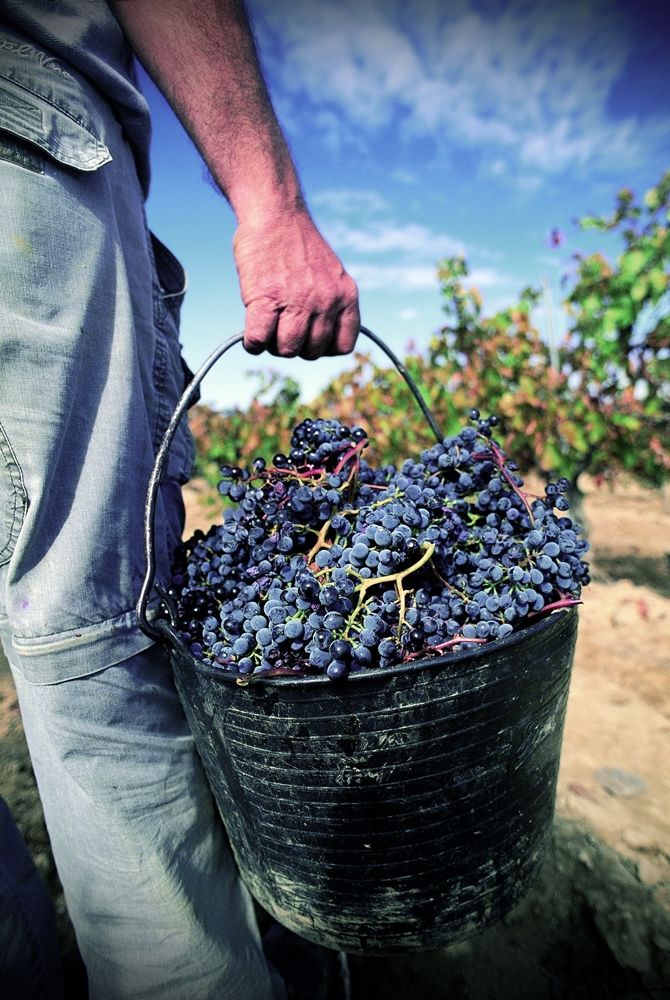
South Australia has welcomed a A$3.5 million federal support package aimed at helping the state’s grape and wine industry deal with a prolonged oversupply of red wine grapes, trade disruption and shifts in consumer demand.
The funding, announced by Australia’s federal government and backed by the South Australian government, is intended to support growers and wine businesses over the long term. State officials said the package will help grape growers diversify crops, pursue niche markets and build better market intelligence, including insight into demand for lighter-alcohol products.
The announcement was made with Clare Scriven, South Australia’s minister for primary industries and regional development, alongside federal ministers Don Farrell, for trade and tourism, and Murray Watt, for agriculture, fisheries and forestry. The package is formally described as the Grape and Wine Sector Long-term Viability Support Package.
According to the South Australian government, the measure is designed to respond to pressure that has built across wine regions as producers face too many red wine grapes in the market at a time of weaker demand in some categories and lingering effects from export setbacks. Officials said the strain has been felt not only by growers but across the broader grape and wine supply chain.
The package includes work to examine the creation of a national vineyard register, with a forecasting function intended to give governments and industry a clearer picture of planting trends and future supply. It also includes more trade and market development activity in emerging markets, support for Australian wine exporters trying to recover lost market share, and assistance to diversify and expand wine exports.
Further advice is also expected on gaps in industry knowledge and data that could guide faster product development, diversification and entry into new markets. That part of the plan reflects a wider effort to align production more closely with changing consumer preferences, including interest in wines with lower alcohol levels.
For the beverage sector, the move matters beyond farming policy. Government intervention in response to oversupply can influence grape prices, product mix and investment decisions across wineries and related drinks businesses. If producers shift acreage, develop new styles or target lighter-alcohol segments more aggressively, that could reshape supply strategies and export priorities in Australian wine over time.
South Australia had already pushed earlier this year for a broader national response. In March, the state proposed at a meeting of Australia’s agriculture ministers that a national viticulture and wine sector working group be established to hear directly from growers and industry participants and recommend ways to address the downturn.
Scriven said that working group had heard from grape growers, wine businesses, industry organizations and other stakeholders. She said South Australia was leading that work and that oversupply issues were being felt sharply across the state’s wine regions.
She also said it was encouraging to see what she described as swift action from the federal government through funding for support measures that would benefit South Australia’s wine industry. Scriven added that she would continue working with federal counterparts on longer-term steps to improve conditions in the grape and wine sector, with further recommendations due to be considered at the next agriculture ministers’ meeting in July.
The announcement comes as Australian wine producers continue adjusting to a changed global market. Trade disruptions in recent years have exposed how dependent some parts of the industry were on a narrow set of export destinations, while domestic and international consumers have also shown growing interest in different styles, formats and alcohol levels. In that setting, officials are framing the new funding as both short-term relief for an oversupplied market and part of a broader attempt to make one of Australia’s most important wine-producing regions more resilient.
