Cognac producers slash prices after global shipments plunge 15.1%
Tariffs, weak demand in the United States and China, and consumer resistance to luxury pricing are forcing a broad industry reset.
2026-07-01
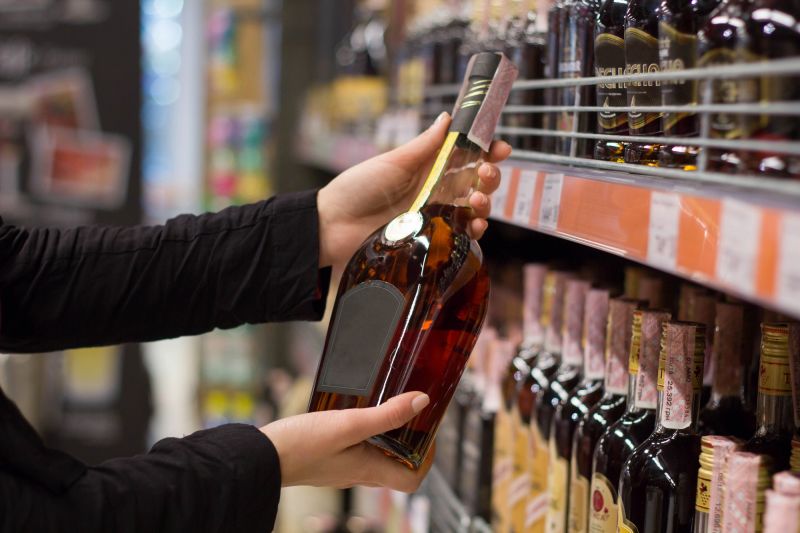
Cognac producers are cutting prices, simplifying portfolios and pushing new products as the category tries to recover from a sharp global downturn that has hit shipments, revenue and confidence across one of the spirits industry’s most important luxury segments.
The scale of the decline has been severe. According to the Bureau National Interprofessionnel du Cognac, global Cognac shipments fell 15.1% last year to 141 million bottles. Export value dropped even more, down 25.3% to €2.24 billion, or about $2.6 billion. The losses were broad, but they were especially damaging in the United States and China, the two markets that have long anchored the category’s growth.
The pressure has spread across price tiers. BNIC data showed VS shipments down 16.2%, VSOP down 11.5%, and XO and above down 23.2%, a sign that consumers have become more cautious even at the high end. That matters well beyond Cognac itself because the category has long been a pillar of premium spirits and a benchmark for pricing power in imported liquor. A prolonged slowdown can affect distributor strategies, retail margins, promotional activity and product development across other upscale beverage categories.
In China, Cognac shipments have been hurt by anti-dumping duties averaging 32.2% that were imposed in July 2025 on imports from the category. The move came as retaliation for European tariffs on Chinese electric vehicles. In the United States, producers have faced a different problem: 15% tariffs on European products, combined with an unfavorable euro-dollar exchange rate, have pushed retail prices up by around 30%, according to industry figures cited by The Spirits Business.
The impact in North America has been steep. The United States, Canada and Mexico together posted a 19.4% drop in volume to 56.9 million bottles shipped, while value fell 34% to €737.3 million. Europe also weakened, with exports down 10.9% in volume to 28.2 million bottles and down 22% in value to €359.5 million.
For producers, the downturn has forced a reset after years when premiumization drove expansion. Cyril Camus, the fifth-generation owner and chief executive of Camus, said his company had gone through substantial restructuring in both its markets and headquarters in Cognac to adapt to what he called a new reality. He said lower shipment levels could remain for some time.
Camus said the company had reduced staff, debt and the breadth of its portfolio while reworking industrial processes to improve efficiency. He described the shift away from a luxury-led strategy as frustrating but necessary, saying brands now had to focus more on promotions, price cuts and tactics that deliver immediate sales rather than long-term brand building.
That change in approach is visible across the region. Producers that once leaned heavily on prestige expressions are now trying to recruit new drinkers with more accessible products, lower entry prices and cocktails aimed at casual consumption.
Rémy Martin entered that space in March with Rémy V, launched in the U.S. market as a white spirit distilled from French grapes at 35% alcohol by volume. It is not labeled as Cognac, but it reflects a broader effort by major houses to reach younger consumers who may not be drawn to traditional aged expressions.
Pernod Ricard is continuing its push behind Martell Blue Swift, first introduced in 2018 as a VSOP Cognac finished in Bourbon barrels and positioned to appeal to American whiskey drinkers with notes of vanilla and toasted oak. Sébastien Borda, global marketing vice president for prestige brands in Pernod Ricard’s aged spirits, wine and Champagne division, said heritage remains one of Cognac’s strengths but that brands also need products that reflect changing consumer expectations.
Martell has also expanded its marketing beyond traditional luxury cues. In the United States, it has promoted cocktails built around Martell as a way to bring Cognac into mixed drinks and off-premise occasions. In Nigeria, it created an experiential venue called The Martell Tower tied to mixology, food, fashion and music. The company has also used musician Davido as a global ambassador as part of its effort to connect with audiences through Afrobeats culture.
Other houses are moving in a similar direction through pricing rather than image alone. Delamain is preparing to launch Folio Natura, a six-year-old expression made not only with Ugni Blanc but also with Folle Blanche and Colombard grapes from Grande Champagne. The product will debut in France, Britain and other European markets before reaching the United States later.
Eric Le Bouar, Delamain’s managing director, said export declines over two years had nearly cut market opportunity in half. He said Delamain had benefited from geographic diversification because no single market accounts for more than 15% of its global revenue, but he added that all markets were under pressure.
Le Bouar pointed to weak demand in China, the collapse of Russia as a destination market and softer sales in Western Europe. He said moderation trends were part of the picture but argued that inflation and weak economic conditions were making consumers much more careful about spending.
Folio Natura is meant to answer that caution with a lower price point and broader use occasions. It will sell for about €60, far below Delamain’s current entry-level Pale & Dry XO at €145. The company is recommending it both neat and in cocktails such as Highballs, with an eye toward wider placement in hotel bars, everyday restaurants and standard bar programs rather than only luxury accounts.
Le Bouar said one problem for Cognac had been the widening gap between price and perceived quality after years of rising demand and limited supply encouraged repeated increases. That issue now sits at the center of the category’s correction: consumers are still willing to pay for quality spirits, but many appear less willing than before to absorb aggressive pricing.
Camus has experimented with accessibility in other ways too. Last year his house introduced a Single Serve collection with London retailer Fortnum & Mason featuring 30-milliliter bottles of eaux-de-vie aged more than 20 years. The miniature format lowered the purchase threshold for consumers curious about older Cognacs without requiring them to buy full-size bottles at luxury prices.
At the same time, producers are trying not to abandon premium positioning altogether. Camus is refreshing its packaging across the range over roughly two years to give products a more contemporary look while preserving their identity. The balancing act is clear: houses want lower barriers to trial without weakening their image too far in a category built on heritage and status.
Some executives say early signs suggest that restructuring is beginning to work. Camus said his company had posted two successive quarters of significant growth after two years of double-digit sales declines.
Still, few in the trade appear ready to call the crisis over. Alexandre Gabriel, owner and master blender at Cognac Ferrand, said macroeconomic pressure was real but argued that it was not the only cause of the downturn. He said Cognac had become too dependent on a small number of markets and occasions and that parts of the category had focused too much on volume without investing enough in consumer education.
Gabriel said premiumization without education leaves consumers facing little more than a higher price tag. He argued that long-term resilience depends on bartenders, sommeliers and retailers who can explain what makes Cognac distinct and why it deserves its place among premium spirits.
That argument carries weight across beverage alcohol because many imported categories have relied on similar strategies over the past decade: fewer markets doing more of the heavy lifting, higher shelf prices justified by scarcity or prestige, and marketing aimed at affluent buyers rather than broad recruitment. If Cognac’s retrenchment continues, other spirits producers may face stronger pressure to prove value more clearly or widen their consumer base before demand weakens further.
For now, producers are looking for growth outside their traditional centers of gravity. South Africa has become Cognac’s fourth-largest export market, according to Martell’s Borda. He also pointed to Nigeria, Thailand and Kenya as countries showing strong multi-year growth. In Asia beyond China, companies see potential in Singapore, Taiwan and Indonesia.
India remains one of the biggest long-term targets for the category after a tariff agreement between the European Union and India reached earlier this year improved prospects for access. Camus has described India as a major opportunity because awareness of Cognac remains low even though demand for premium imported spirits is growing. That combination presents both a challenge and an opening for brands willing to invest over time.
There is another risk beneath the current slump: production cuts made now could tighten supplies of younger liquids several years from today if demand returns faster than expected. For an industry built on aging stocks years in advance, today’s defensive decisions can shape tomorrow’s shortages.
That leaves Cognac houses trying to solve several problems at once: weaker demand in mature markets, trade barriers in key destinations, consumer resistance to high prices and an urgent need to make the category feel relevant again outside its old strongholds. After years when luxury positioning seemed enough to carry growth, many producers are now betting that survival will depend on being easier to buy, easier to understand and easier to drink.
