Southern Glazer’s nears settlement in FTC price discrimination case
The tentative deal could reshape discount and rebate practices across the wine and spirits distribution business
Wednesday, June 24, 2026

Views › 5004
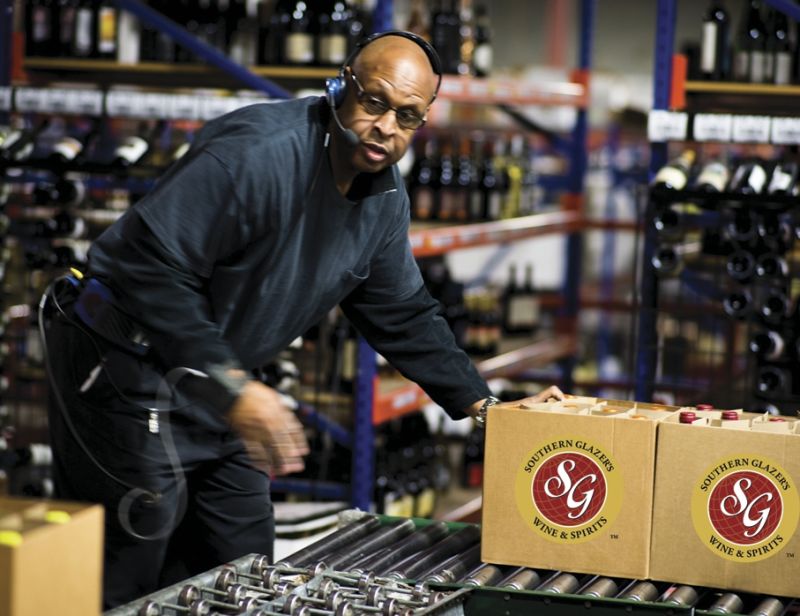
The Federal Trade Commission and Southern Glazer’s Wine and Spirits have reached a tentative settlement in the agency’s lawsuit accusing the distributor of illegal price discrimination, a case that has drawn close attention across the beverage business because it could reshape how large wholesalers set discounts and trade terms for retailers.
Southern Glazer’s is the largest wine and spirits distributor in the United States. The FTC sued the company in 2024, alleging that it gave better prices and promotional support to large national and regional chains than to smaller independent retailers, in violation of the Robinson-Patman Act, a federal law that bars certain forms of discriminatory pricing.
The tentative agreement signals a possible end to one of the most closely watched antitrust and trade regulation cases in the alcohol distribution system. The lawsuit had become a test of how aggressively federal regulators would use the Robinson-Patman Act, a statute that had seen limited enforcement for decades before the Biden administration revived interest in it.
The case matters well beyond one distributor. If the settlement leads Southern Glazer’s to change its pricing, discount or rebate practices, other wine and spirits wholesalers may face pressure to review their own policies. That could affect margins, retailer access to supplier programs and the competitive balance between independent stores and large chains.
The FTC has not yet released final settlement terms, and a tentative agreement typically remains subject to commission approval and other procedural steps before it becomes binding. Until those terms are public, it is not clear what operational changes, if any, Southern Glazer’s would be required to make.
Southern Glazer’s has previously denied wrongdoing in the case. The company had argued that the FTC’s claims were legally flawed and that its business practices complied with federal law.
The lawsuit was closely watched by producers, distributors and retailers across wine and spirits because pricing structures in the three-tier alcohol system often include volume discounts, promotional allowances and other incentives that can vary by customer size and market conditions. Any restrictions on those practices could influence how brands reach stores and how smaller retailers compete for shelf space and consumer traffic.
A final settlement, once filed and approved, could offer one of the clearest recent signals from federal regulators on where they believe lawful commercial flexibility ends and unlawful favoritism begins in beverage distribution.