Kenyan lawsuits threaten Diageo’s US$2.3 billion sale of East African Breweries
Conflicting court orders have pushed Diageo and EABL to seek one judge for challenges to Asahi’s planned purchase of the 65% stake.
2026-07-10
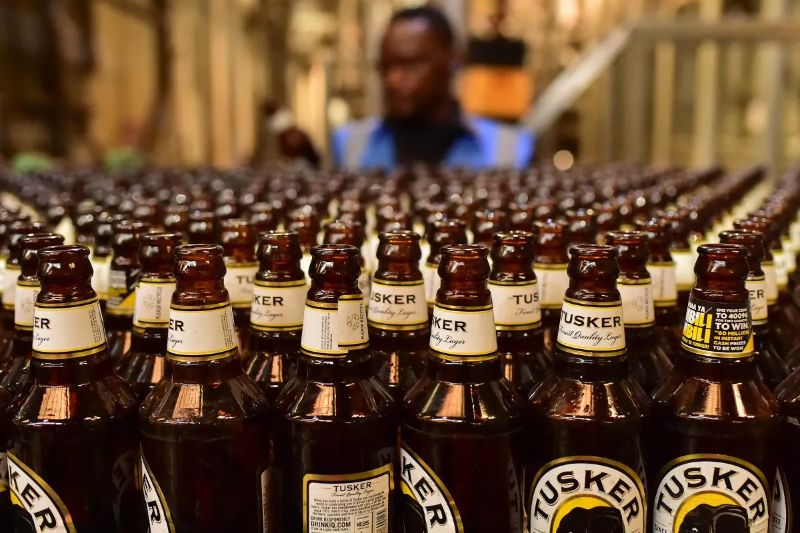
Diageo’s planned sale of its controlling stake in East African Breweries to Japan’s Asahi has run into a legal fight in Kenya, complicating a US$2.3 billion deal that had been presented as part of the British drinks group’s effort to shed non-core assets and cut debt.
The transaction, announced in December, covers Diageo’s 65% holding in East African Breweries Limited, or EABL, the Nairobi-headquartered brewer with operations across Kenya, Uganda and Tanzania. The deal is still scheduled to close later this year, but several lawsuits have now been filed in an attempt to stop it before completion.
According to court filings reported by The Drinks Business, the dispute has reached the office of Kenya’s Chief Justice, Martha Koome, after Diageo asked for the various cases tied to the sale to be consolidated before a single court or judge. Diageo and EABL argue that claims lodged in different courts have created conflicting outcomes and increased uncertainty around the transaction.
One case was brought by a distributor that says Diageo wrongly terminated a contract several years ago. Another was filed by a construction company. Some individual shareholders have also challenged the sale, arguing that they are being treated unfairly. Diageo and EABL reject the claims.
The companies say the problem has been made worse by litigation moving through different court stations. Nairobi courts declined to halt the transaction, while the High Court in Machakos later issued temporary orders freezing implementation of the deal. EABL is now asking that all current and future High Court proceedings related to the sale be assigned to one judge or one court station in order to avoid inconsistent rulings and speed up hearings.
The brewer has also suggested that specialized tribunals created under Kenya’s capital markets and competition laws could handle some matters where appropriate. In legal arguments cited by The Drinks Business, EABL’s lawyers said the company was concerned that parties seeking to block completion of the transaction were engaging in “forum shopping” across separate courts. They argued that this amounted to an abuse of process and undermined comity between courts of equal jurisdiction.
One of the litigants, JILK Construction, is opposing Diageo’s request for a single jurisdiction. The company argues that its disputes with Diageo and related entities began before the proposed sale to Asahi and should not be pushed aside because Diageo wants to exit the Kenyan beer market. JILK says its claims arise from work linked to the construction of Kenya Breweries’ Kisumu plant between 2017 and 2019 and involve unresolved arbitration, commercial, constitutional and criminal proceedings.
Chief Justice Koome had not issued a ruling at the time of the report.
The dispute matters beyond the courtroom because East African Breweries is one of the most important drinks companies in the region, with a large footprint in beer and spirits. A prolonged delay could add legal and commercial uncertainty for distributors, suppliers, employees and investors across East Africa. It could also affect how competition in the regional beer market develops if Asahi’s entry is slowed or reshaped by court action.
EABL has argued that completing the transaction would bring certainty for shareholders, workers, suppliers and investors in Kenya, Uganda and Tanzania. The company has also said the sale could generate about £245 million in capital gains tax for the Kenyan government.
For Diageo, the case has become a test of how smoothly it can execute a broader portfolio strategy at a time when large beverage groups are reassessing where they want to deploy capital. What had looked like a straightforward disposal has instead become tied up in overlapping legal claims, leaving one of this year’s biggest drinks deals in Africa dependent on how Kenya’s courts decide to manage the challenge.
