France Confronts an Exceptionally Intense Drought
Officials prepared a national update on shrinking soils, rivers and aquifers as wildfire risk rises across much of the country.
Wednesday, July 15, 2026
French officials were set to give an updated assessment of the country’s drought on Wednesday morning in Paris, as France faces what the government described as an exceptionally intense dry spell that is also raising wildfire risk across much of the country.
According to the Ministry for Ecological Transition, Monique Barbut, the minister for ecological transition, biodiversity and international climate and nature negotiations, and Mathieu Lefèvre, the junior minister for ecological transition, were scheduled to visit the government’s operational monitoring and alert center at the Hôtel de Roquelaure. The meeting was planned for 8:45 a.m., with an introductory statement by Barbut at 9 a.m., followed by discussions with state services mobilized to track the situation.
The ministry said the officials would review the latest meteorological data and present an updated picture of drought conditions affecting soils, rivers and groundwater reserves. They were also expected to outline water-saving measures, prevention steps and adaptation policies being used as authorities respond to the effects of climate change.
The announcement, published Tuesday by the ministry, framed the episode as a national crisis that goes beyond seasonal heat. France has faced repeated summer droughts in recent years, but the government said this one stands out for its intensity and for the breadth of its effects on land and water resources. The reference to soils, waterways and aquifers points to pressure across several parts of the hydrological system at once, a sign that dry conditions are not limited to surface heat but are affecting deeper reserves as well.
The government also linked the drought directly to a higher risk of forest fires over a large part of the country. That connection has become increasingly important for French authorities during summer months, when prolonged lack of rain, low soil moisture and heat can quickly turn rural areas into fire-prone zones. By convening officials at the crisis center, the ministry signaled that it is treating the situation as one requiring close national monitoring rather than only local management.
While the ministry’s statement did not announce new restrictions, it made clear that state services are fully mobilized to follow how conditions evolve. In France, drought monitoring often leads local authorities to tighten limits on water use when river flows fall or groundwater levels weaken. Those measures can affect households, agriculture and industry, especially in regions already under stress from low rainfall.
That matters for the drinks sector as well. If drought conditions persist or water restrictions are expanded, vineyards could face added pressure on irrigation, higher operating costs and greater fire risk in producing areas. Breweries, distillers and other beverage makers may also face tighter water management requirements in places where supplies come under strain. Any impact would depend on how long dry conditions last and whether local authorities move to strengthen controls.
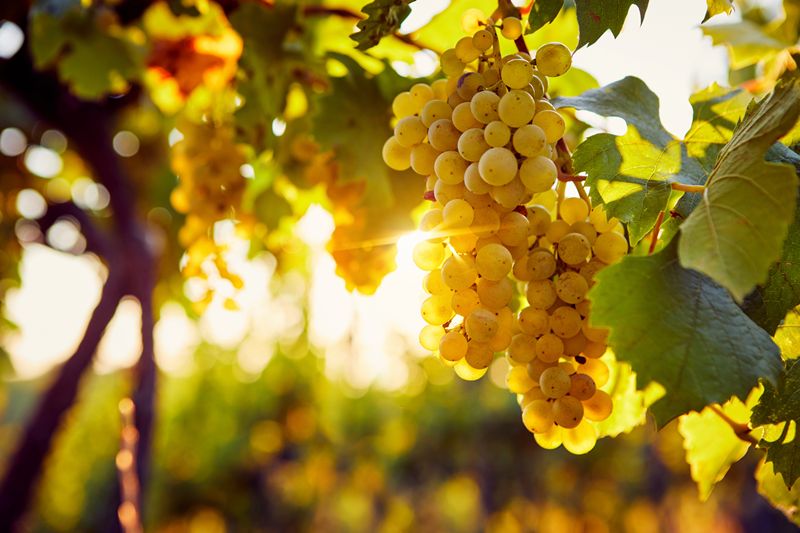
For wine producers in particular, soil dryness can shape both yields and grape development during a critical part of the growing season. In some regions, moderate water stress can influence concentration in grapes, but exceptional drought can reduce production potential and increase vine stress. The broader concern this year is not only vineyard performance but also whether extreme dryness could disrupt normal agricultural operations or raise insurance and protection costs in areas exposed to wildfire danger.
The ministry did not provide detailed regional figures in its advisory notice, but said Wednesday’s briefing would include the latest weather balance and an assessment of current conditions in soils, rivers and aquifers. That suggests authorities were waiting to present a more complete national snapshot after reviewing incoming data with operational services.
The meeting at Roquelaure comes as European governments face growing pressure to adapt water policy to more frequent extremes. In France, that has increasingly meant combining short-term emergency management with longer-term planning around conservation, prevention and climate resilience. Wednesday’s update was expected to show how far this summer’s drought has already progressed and whether current measures are proving sufficient as dry conditions continue.