Brazilian Wine and Cachaça Exports Surge as Industry Celebrates Trade Fair Milestone in Paris
Anniversary event at Brazilian Embassy highlights 26.14% export growth and unveils new partnerships to boost global market presence
Friday, February 13, 2026
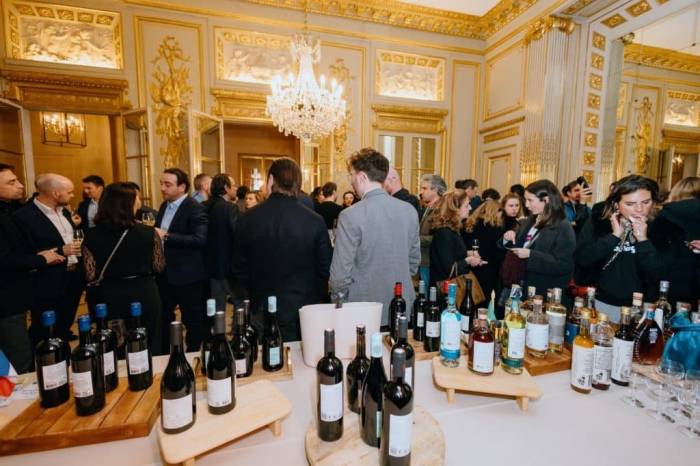
This week, Brazil marked the tenth anniversary of the Wine São Paulo Trade Fair and Cachaça Trade Fair with a celebration at the Brazilian Embassy in Paris. The event brought together business leaders, representatives from industry associations, international buyers, and specialized media to highlight the achievements of Brazil’s wine and cachaça sectors and to announce new international partnerships aimed at expanding their global reach.
The program included an institutional presentation, a panel discussion, a keynote lecture, and a networking cocktail. Zoraida Lobato, CEO of both trade fairs, delivered a lecture titled “Brazilian Beverage Market: Perspectives, Trends, and Opportunities.” She outlined recent performance in Brazil’s wine and cachaça industries and shared forecasts for the coming years. According to Lobato, Brazil is experiencing growth while traditional markets are seeing declines in volume and focusing on higher value per bottle. She noted that Brazil is increasing production, expanding into new wine regions, growing its number of wineries, and seeing steady growth in domestic consumption. This trend is positioning Brazil as a significant player among the world’s leading wine-producing countries.
Recent data supports this outlook. In 2025, Brazilian exports of wines and sparkling wines rose by 26.14% compared to 2024, reaching $13.3 million. Sparkling wine remains the top export in terms of value for Brazil’s wine sector. Domestically, Brazil solidified its status in 2024 as the largest importer of wines in Latin America, with $518 million in transactions. The country now accounts for 65% of all wine imports in the region and has seen a 26% increase in per capita wine consumption over the past three years. This makes Brazil the main destination for wines from Chile, Argentina, and Portugal. Lobato also serves as director of Brasil Selection by CMB, an international wine competition.
The cachaça segment is also showing strong growth. In 2024, Brazil registered 1,225 new cachaça products and 49 new producers. The country now has 7,223 registered cachaça labels—a 20.4% increase over 2023—and 1,266 producers, up by 4%. According to the Ministry of Agriculture’s annual report, production volume surpassed 292.4 million liters in 2024, an increase of 29.58% from the previous year.
During the Paris event, two international partnerships were announced that will lead to the creation of a Cachaça Trade Fair hub in Paris in February 2027. This initiative will be developed with Casa da Cachaça de Portugal and Vinopress from Belgium to expand Brazilian cachaça’s presence in Europe and establish a permanent business platform on the continent.
The tenth anniversary celebration signals a new phase of international expansion for both trade fairs and strengthens their role as key events for the sector. The strategy aims to connect Brazilian producers with buyers and strategic markets worldwide, reinforcing Brazil’s position in the global wine and spirits industry.