French Study Finds Vintage Year Drives Amino Acid Changes in Chenin Blanc During Lees Ageing
Researchers reveal weather and vineyard factors outweigh grape ripeness in shaping wine’s chemical profile and potential flavor development
2026-03-04
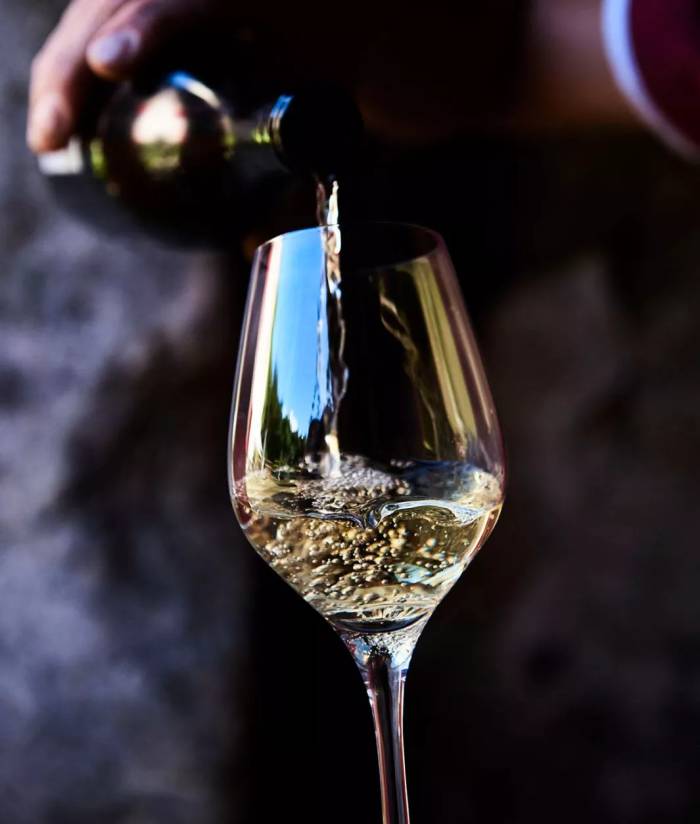
A recent study conducted in the Loire Valley, France, has provided new insights into how the amino acid composition of still Chenin blanc wine changes during ageing on lees, a traditional winemaking process where wine is left in contact with dead yeast cells after fermentation. The research, carried out over two vintages (2021 and 2022) and involving grapes from three distinct vineyards, aimed to clarify how factors such as vineyard location, vintage year, and barrel age influence the evolution of amino acids in wine during this critical maturation phase.
The study was prompted by the recognized role of amino acids in shaping wine aroma and mouthfeel, as well as their contribution to yeast nutrition during fermentation. While much is known about amino acids’ impact during fermentation, less is understood about their behavior during post-fermentation ageing, particularly on lees. This gap is significant because the final sensory profile of wine depends on its complete chemical composition at bottling.
Researchers collected Chenin blanc grapes from three vineyards with different soil types—sandstone schist, schist, and volcanic spilite—each with sandy or clay topsoils. The grapes were harvested at similar maturity levels but under different climatic conditions: 2021 experienced a cool, wet summer following spring frosts, while 2022 saw a hot, dry summer with lower disease pressure. After alcoholic and malolactic fermentations in both new and old oak barrels, wines were aged on lees for six months. Amino acid concentrations were monitored using liquid chromatography-mass spectrometry (LC-MS).
The results showed that total amino acid concentrations were higher in the 2021 wines (962.29 mg/L) compared to those from 2022 (569.77 mg/L). Aspartic acid was the most abundant amino acid in both years, accounting for 45% of total amino acids in 2021 and 59% in 2022. Proline and glutamic acid followed as the next most prevalent amino acids. Together, these three made up more than 80% of the total amino acid content.
Statistical analysis revealed that vintage year had a significant effect on most amino acids except aspartic acid and arginine. The differences could not be explained by grape ripeness alone, suggesting that weather conditions and vineyard-specific factors played a larger role. Notably, there was considerable variability among wines from different vineyards even after fermentation processes were completed.
During the six-month ageing period on lees, most amino acids—including glutamic acid and serine—increased in concentration. For example, serine levels rose by up to 61% in some cases. However, alanine and tryptophan generally decreased over time. Some amino acids showed inconsistent patterns depending on vineyard or vintage; for instance, leucine increased in some wines but remained stable or decreased in others.
The study also examined the impact of barrel age on amino acid evolution. While some differences were observed between wines aged in new versus old barrels—particularly for glycine—overall trends were similar regardless of barrel age. Old barrels tended to yield slightly higher final concentrations of certain amino acids compared to new barrels. This may be related to differences in oxygen transfer rates between new and old wood, which can affect yeast autolysis and subsequent release or transformation of amino acids.
Researchers attributed changes in amino acid concentrations during ageing to several processes: autolysis of yeast cells releasing peptides and free amino acids; enzymatic breakdown of cell wall components; non-enzymatic reactions converting some amino acids into volatile aroma compounds; and possible adsorption onto lees followed by later release.
The findings highlight that the evolution of amino acids during ageing on lees is influenced by a complex interplay of factors including vintage conditions, vineyard terroir, barrel age, and time spent ageing. The study suggests that these changes may have implications for wine flavor development—especially regarding umami taste perception linked to glutamic acid—and calls for further sensory analysis to better understand how shifts in amino acid profiles affect the final taste experience.
This research marks the first detailed examination of still Chenin blanc’s amino acid composition during lees ageing and underscores the need for more studies exploring how winemaking practices shape wine chemistry beyond fermentation. The results are expected to inform both winemakers seeking to optimize quality through lees ageing and scientists interested in the molecular underpinnings of wine flavor.

Founded in 2007, Vinetur® is a registered trademark of VGSC S.L. with a long history in the wine industry.
VGSC, S.L. with VAT number B70255591 is a spanish company legally registered in the Commercial Register of the city of Santiago de Compostela, with registration number: Bulletin 181, Reference 356049 in Volume 13, Page 107, Section 6, Sheet 45028, Entry 2.
Email: [email protected]
Headquarters and offices located in Vilagarcia de Arousa, Spain.