No- and Low-Alcohol Drinks Surge as Global Market Set to Grow 37% by 2027
Rising demand for moderation and new consumer habits drive rapid expansion of alcohol-free and low-alcohol beverages worldwide
2026-02-19
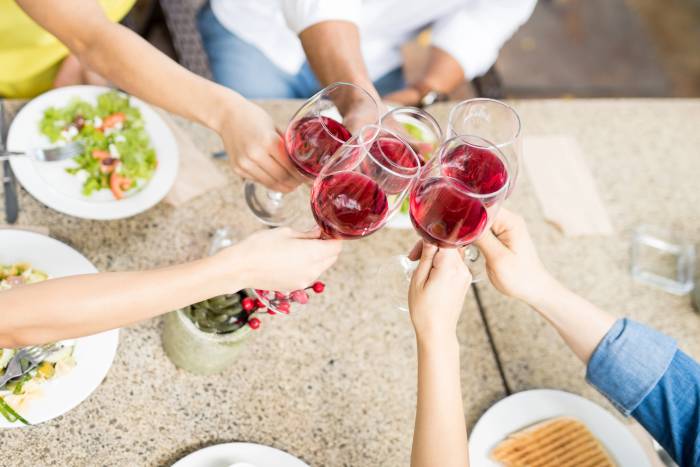
The no- and low-alcohol beverage segment is experiencing rapid growth and is becoming a permanent category in the global beverage industry. According to the “The 2026 No/Low Alcohol Beverage Report” by Good Culture Ingredients, the market for these products is expected to grow by 37% by 2027 compared to 2020. By that year, no- and low-alcohol drinks are projected to account for 4% of global beverage volumes, double their share from a decade ago. This expansion is driven by more than 60 million new consumers worldwide who have started choosing alcohol-free options between 2022 and 2024.
The report highlights a significant cultural shift toward moderation rather than abstinence. In the United States, about one in three adults now chooses non-alcoholic options on various occasions, with the highest interest among people aged 35 to 44. More than half of Gen Z and Millennial drinkers say they want to reduce their alcohol intake. In the United Kingdom, 76% of adults report moderating their consumption in some way. The trend is not about giving up alcohol entirely but about controlling intake, often by alternating between alcoholic and non-alcoholic drinks during social events—a behavior described as “zebra striping.”
The report defines three main categories within the segment: Alcohol-Free (0.0% ABV), Non-Alc/Dealcoholized (up to 0.5% ABV), and Low Alcohol (up to about 1.2% ABV, depending on local regulations). These distinctions affect how products are marketed and consumed. The main product groups include beer and cider, wine and sparkling wine, non-alcoholic spirits, and ready-to-drink cocktails (RTDs). Each group fits specific consumption moments: beer for pub nights, wine for meals, zero-proof spirits for cocktail rituals, and RTDs for parties.
Producers face technical challenges in creating no- and low-alcohol beverages that match the complexity of traditional alcoholic drinks. Alcohol provides structure, body, viscosity, aromatic intensity, and helps extract botanical flavors in beverages. Removing it can result in drinks that taste flat or overly sweet, lacking the depth found in wine, beer, or cocktails. The report notes that simply eliminating alcohol is not enough; producers must find ways to replicate its structural role to avoid products being perceived as adult soft drinks rather than true alternatives.
Regionally, growth patterns vary. The United Kingdom and Europe use bars and restaurants as launch platforms for these products, helping establish regular consumption habits. In the United States and Canada, retail channels drive growth, especially for zero-proof spirits and RTDs. Australia and New Zealand are smaller markets but have high quality standards and a strong craft scene. Asia Pacific and Latin America remain focused on beer but are seen as testing grounds for new formats.
Despite strong growth projections, challenges remain. No- and low-alcohol beers still struggle with perceptions of inconsistent quality. Non-alcoholic wines often lack structure and texture compared to their alcoholic counterparts. Zero-proof spirits risk being seen as flavored juices rather than legitimate cocktail bases—a problem known as the “mocktail trap.” Retailers seek higher profit margins than those offered by traditional soft drinks, while bars need products that are quick to serve and as profitable as alcoholic cocktails.
Good Culture Ingredients suggests several strategies for success in this evolving market: designing products based on specific consumption occasions; using fermentation to build structure; integrating alcohol content control with flavor development; and positioning products in premium segments. The report concludes that no- and low-alcohol beverages are no longer just alternatives but have become an independent category with their own technical standards and market rules. With overall alcohol volumes stagnating globally, this segment stands out as one of the few areas showing sustained growth in the beverage industry.

Founded in 2007, Vinetur® is a registered trademark of VGSC S.L. with a long history in the wine industry.
VGSC, S.L. with VAT number B70255591 is a spanish company legally registered in the Commercial Register of the city of Santiago de Compostela, with registration number: Bulletin 181, Reference 356049 in Volume 13, Page 107, Section 6, Sheet 45028, Entry 2.
Email: [email protected]
Headquarters and offices located in Vilagarcia de Arousa, Spain.