Fine Wine Market Suffers Sharp Decline as Global Demand Plummets
Industry data shows Bordeaux prices down 16% in five years, but signs of stability and shifting collector tastes emerge
Wednesday, February 25, 2026
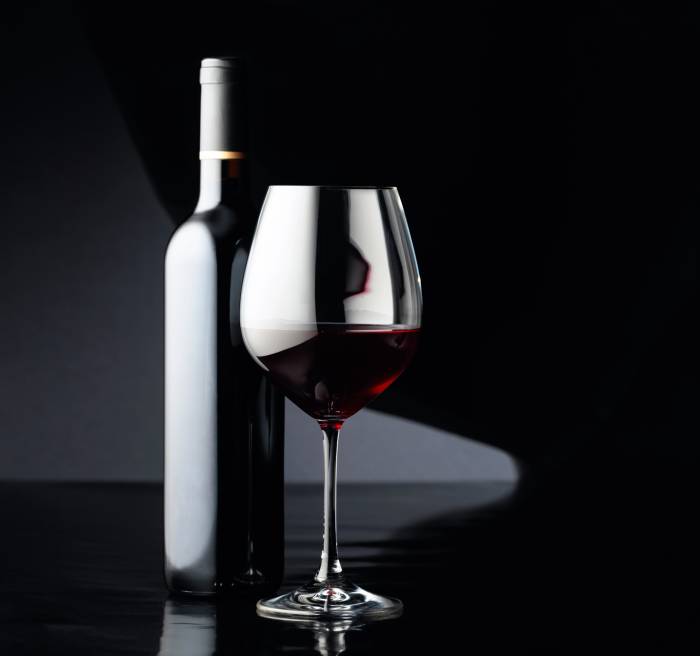
The fine wine market is facing a challenging period in 2026, with industry insiders and data pointing to a significant downturn. Buyers and sellers across the globe are reporting slow sales, with some of the world’s most prestigious producers seeing dramatic drops in demand. A buyer for a major wine monopoly recently shared that just four bottles of a top Italian wine were sold in 2025, compared to more than 20 cases just a few years ago.
Market data supports these anecdotes. The Liv-Ex 50 index, which tracks the performance of leading Bordeaux wines, has fallen by over 16% in the past five years. The two-year decline stands at 15%. These numbers reflect broader economic and geopolitical uncertainty, which has affected luxury goods markets worldwide. However, when looking at shorter time frames, the picture is less bleak. Over the past year, the Liv-Ex 50 dropped only 3.6%, and so far this year, it has remained flat. While it is too early to call this a recovery, it suggests that the worst may be over for now.
The definition of “fine wine” itself is evolving. Traditionally associated with high prices and regions like Bordeaux, fine wine is increasingly defined by intent rather than cost alone. Collectors buy these wines not for immediate consumption but for future enjoyment or investment. This shift in perspective is important as it reflects changing consumer behavior.
The pandemic years saw a surge in wine buying as people sought comfort and pleasure during lockdowns. Many collectors stocked up on young wines at high prices, leading to an oversupply in private cellars today. Justin Knock MW, founder of Elevage Wines, notes that while consumption remains steady, buying has slowed as collectors work through their existing stocks. Mick O’Connell MW, Bonhams Head of Wine for UK and Europe, observes that this glut of young wine is now sitting idle in cellars around the world. He points out that healthy turnover is essential for maintaining liquidity in the fine wine market and that attracting sellers while managing price expectations remains a challenge.
There are signs of resilience outside Bordeaux. The Liv-Ex 100 index, which includes Burgundy, Champagne, Tuscany and other regions alongside Bordeaux (which now makes up only 41% of the index), has been broadly stable over five years and even shows a slight uptick this year. This diversification reflects changing tastes among collectors. Maureen Downey, a US-based private client advisor, reports that new collectors are exploring beyond classic names like Domaine de la Romanée-Conti (DRC) in Burgundy and are showing interest in Champagne, Piedmont and Tuscany.
The global nature of the fine wine market is also becoming more pronounced. Collectors from Europe, North America, Asia and the Middle East are active buyers and sellers, creating greater liquidity and transparency than ever before. Auction houses report sales spanning continents within a single event.
Collectors are also showing more willingness to try wines from less traditional regions. Wines such as Assyrtiko from Greece, Etna Bianco and Rosso from Sicily, Soave from Italy and high-end Australian wines are gaining traction among enthusiasts who appreciate both their quality and their rising prices.
Despite ongoing difficulties, industry experts see reasons for optimism. Sarah Abbott MW of Swirl Group emphasizes that the unique experience of sharing an exceptional bottle with friends continues to drive interest in fine wine. This sense of community and shared enjoyment remains at the heart of the market.
While challenges persist for producers and merchants alike, there are indications that fine wine is adapting to new realities. Broader regional interest, global participation and a renewed focus on the social aspects of wine drinking suggest that while times are tough, there may be green shoots emerging for those willing to look beyond traditional boundaries.