California Grape Growers Accelerate Vineyard Removals as Wine Oversupply Persists
More than 38,000 acres have been pulled out in two years, with further cuts expected as growers face financial strain and weak demand.
2026-02-16
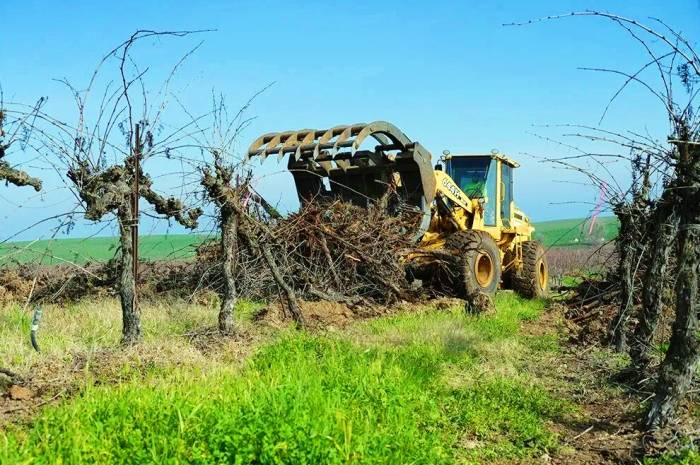
California’s wine industry is undergoing a major shift as growers respond to a persistent oversupply of grapes caused by a global decline in wine consumption. Over the past two years, vineyard removals have accelerated across the state, with more than 38,000 acres—about 7% of California’s total winegrape acreage—pulled out between October 2024 and August 2025. This leaves approximately 477,000 acres still in production, according to a report commissioned by the California Association of Winegrape Growers.
Industry experts say the market is still oversupplied. Jeff Bitter, president of Allied Grape Growers, told attendees at the Unified Wine and Grape Symposium in Sacramento that the state needs to reduce productive acreage further to reach an estimated demand of around 410,000 acres. Ongoing removals are expected to continue this year, with projections for another 40,000 acres to be taken out. Some vineyards are also being abandoned due to financial stress, which could bring the state closer to its target as early as this year. However, Bitter said it is more likely that supply and demand will balance by 2027 or 2028.
The oversupply has been compounded by slow wine sales and high inventory levels at wineries. By the end of 2023, California wineries held enough finished wine to last 21.7 months—well above their preferred inventory level of about 18 months—according to the Gomberg Fredrikson Report. This surplus led wineries to reduce grape purchases and contributed to a record amount of unharvested fruit. In 2024, an estimated 400,000 tons of grapes were left unpicked; last year that number more than doubled to about 820,000 tons, roughly one-quarter of the crop.
Despite these challenges, there are signs that the market may be moving toward equilibrium. Wineries have drawn down some excess inventory over the past two years as grape harvests have been historically small. By the end of 2025, inventory levels had dropped to about 19 months’ supply. If this trend continues, demand for grapes could recover within the next few years.
The downturn has hit growers hard, especially those without long-term contracts with wineries. Many have been forced to sell grapes at a loss or leave them unharvested. The lack of profitability has made it difficult for some growers to secure operating loans from banks. As a result, many are choosing to remove their vineyards rather than continue farming at a loss.
Randy Baranek, project manager for Fowler Brothers Farming in Stanislaus County, said his company removed more than 5,000 acres of vineyards last year and is already booked to remove nearly another 5,000 acres this year. He reported a surge in calls from growers seeking removal services.
New vineyard plantings have also slowed dramatically. California nurseries sold just 7.7 million vines last year—enough for about 7,200 acres—compared with more than 20 million vines three years ago.
Experts attribute declining wine consumption to several factors: changing health guidelines about alcohol use, rising living costs making wine less affordable for some consumers, and difficulty attracting younger drinkers. Danny Brager of Brager Beverage Alcohol Consulting noted that wine faces an “affordability question” as prices rise.
Industry leaders acknowledge that future demand for wine will likely be lower than in previous decades but believe there are opportunities for growth by appealing to younger and health-conscious consumers. Liz Thach, president of the Wine Market Council, said wine still carries positive associations with nature, agriculture and social connection. She encouraged wineries to highlight attributes such as low added sugar and sustainable farming practices in their marketing efforts.
As California’s grape growers adapt to these changes, many hope that ongoing vineyard removals and shifting consumer preferences will eventually bring stability back to the state’s iconic wine industry.

Founded in 2007, Vinetur® is a registered trademark of VGSC S.L. with a long history in the wine industry.
VGSC, S.L. with VAT number B70255591 is a spanish company legally registered in the Commercial Register of the city of Santiago de Compostela, with registration number: Bulletin 181, Reference 356049 in Volume 13, Page 107, Section 6, Sheet 45028, Entry 2.
Email: [email protected]
Headquarters and offices located in Vilagarcia de Arousa, Spain.