














Climate Change Disrupts Global Wine Production as Traditional Regions Struggle to Adapt
Economists warn that shifting weather patterns threaten both the quality and quantity of wine, forcing producers into urgent adaptation strategies.
2026-03-04
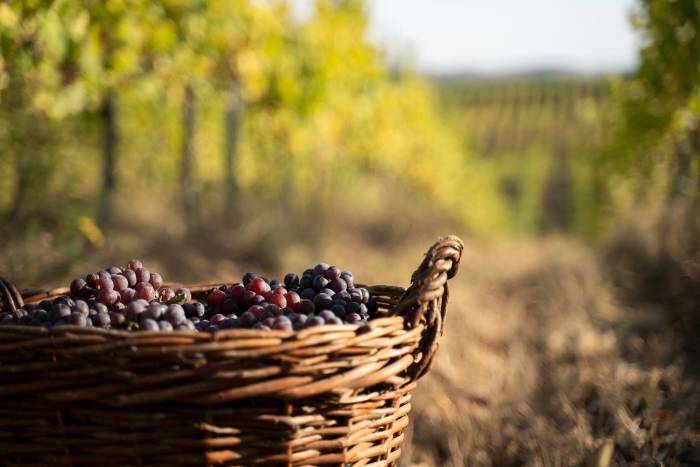
The global wine industry is facing a complex set of challenges that threaten its future, according to economist Mike Veseth, known as the Wine Economist. Veseth’s analysis, highlighted in his book "Wine Wars II: The Global Battle for the Soul of Wine," focuses on what he calls the “triple crisis” affecting wine producers and consumers worldwide. These crises—climate change, economic instability, and an identity crisis—are reshaping the landscape of wine production and consumption.
Climate change stands out as the most immediate and far-reaching threat. Wine grapes are highly sensitive to small changes in temperature and weather patterns. Many traditional wine-growing regions depend on narrow climate bands to produce specific grape varieties and wine styles. Even slight shifts in average temperatures can disrupt these delicate balances, threatening both the quality and quantity of wine produced. Some regions have resorted to extreme measures, such as burying vines during winter to protect them from harsh conditions—a practice Veseth refers to as “Lazarus viticulture.” As a result, the wine industry has become an early indicator of climate-related risks, with many producers advocating for stronger environmental policies.
Despite the urgency of climate change, Veseth notes that it often does not receive the attention it deserves from policymakers or the public. The slow-moving nature of climate impacts can make it difficult for stakeholders to respond with the necessary urgency. This lack of action could have long-term consequences for wine regions around the world.
The second crisis is economic. After two decades of steady growth in global wine consumption leading up to 2008, the industry was hit hard by the global financial crisis. Before this downturn, rising sales helped absorb a surplus created by years of government subsidies in Europe, where countries like France, Italy, and Spain paid farmers to produce more wine than could be sold. When these subsidies ended and production increased elsewhere in the world, a glut of wine flooded the market.
The expectation was that sales would rebound as economies recovered, but this did not happen. Instead, the industry entered what Veseth calls “wine’s lost decade,” marked by stagnant or declining consumption in many markets. The competition for market share intensified, turning what had been a positive-sum environment—where growth benefited all—into a zero-sum game where gains for some meant losses for others. This shift has put jobs and incomes at risk across both established and emerging wine regions.
The third crisis is one of identity. Wine has always occupied a unique space between culture and commerce. It is celebrated as part of culinary traditions and social rituals but is also subject to increasing scrutiny as an alcoholic beverage with potential health risks. In recent years, debates over alcohol’s role in society have intensified, with some viewing wine primarily as a health or social problem rather than a cultural asset.
This identity crisis is compounded by changing consumer demographics and preferences. Younger generations are less likely to view wine as an essential part of their lifestyle compared to older consumers. Questions about who wine is for—whether it is an elite product or accessible to all—have become more pressing. At the same time, anti-alcohol movements have gained traction in several countries, challenging the narrative that has traditionally surrounded wine.
Veseth argues that if the industry cannot clearly define what wine represents and communicate its value beyond being just another alcoholic beverage, it risks losing relevance in a crowded marketplace. The ability to tell a compelling story about wine’s place in culture may be as important as addressing environmental or economic challenges.
These three crises are interconnected and reinforce each other. Climate change threatens production; economic pressures squeeze margins; and uncertainty about identity makes it harder for producers to connect with new consumers or defend their product against criticism. The outcome remains uncertain, but Veseth’s analysis suggests that adaptation will require coordinated efforts across all fronts—from vineyard management and marketing strategies to public policy and cultural engagement.
As global attention turns increasingly toward sustainability and health concerns, how the wine industry responds to these challenges will shape its future for decades to come. For now, producers and consumers alike are left navigating an uncertain landscape where tradition meets transformation at every turn.

Founded in 2007, Vinetur® is a registered trademark of VGSC S.L. with a long history in the wine industry.
VGSC, S.L. with VAT number B70255591 is a spanish company legally registered in the Commercial Register of the city of Santiago de Compostela, with registration number: Bulletin 181, Reference 356049 in Volume 13, Page 107, Section 6, Sheet 45028, Entry 2.
Email: [email protected]
Headquarters and offices located in Vilagarcia de Arousa, Spain.