











Rhône Valley Wine Production Drops 7% as Region Prioritizes Quality and Sustainability
Producers adapt to shrinking harvests and changing consumer tastes with new initiatives, environmental certifications, and a focus on premium wines.
2026-02-23
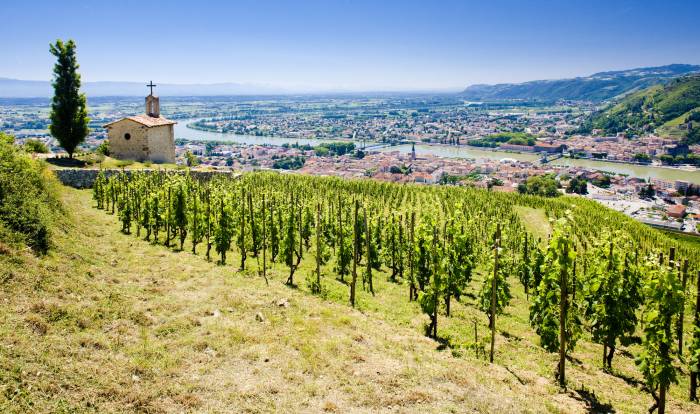
The Rhône Valley wine region is facing a period of adjustment as it responds to lower yields and a shift toward higher quality production. During the Wine Paris event, Philippe Pellaton, president of Inter Rhône, presented an update on the 2025 vintage. Despite challenging conditions in the vineyards, the vintage has been praised for its quality. Slower harvests allowed growers to fine-tune grape maturity. The red wines are noted for their finesse and length, supported by preserved freshness, while the whites show marked minerality and aromatic brightness. The overall result is described as a harmonious vintage, but with reduced volumes.
The 2025 harvest is expected to reach about 2 million hectoliters, down roughly 7% from the previous year, which was already below average. Northern crus have seen a sharper decline of 17%, while appellations outside the Côtes du Rhône family are down by 9%. The vineyard area has also shrunk by nearly 3,400 hectares, now totaling less than 60,000 hectares.
In terms of wine color, the balance has changed little, but there is a notable development: for the first time, both white and rosé wines each account for 13% of production, compared to 74% for reds. Organic wine continues to grow and now represents 25% of total volume. Additionally, 63% of AOC wines are produced under environmental certification programs such as organic or High Environmental Value (HVE).
On the commercial side, cellar releases are down by 5% in 2025. However, performance varies across segments. The flagship Côtes du Rhône label limited its decline to 3%, Villages dropped by 4%, and southern crus even saw a 4% increase. In contrast, northern crus fell by 8%, and other non-Côtes du Rhône appellations dropped by 10%.
In large retail stores, where sales of still wines have fallen by 3.2%, Rhône AOPs limited their decrease to 2.7%. Red wines performed better than the national average, and white wines continued to grow with a 3.5% increase, though they still make up only 4% of supermarket sales.
Among wine shops and restaurants, the Rhône Valley remains the leading region for still AOP wines with nearly stable volumes (down just 0.7%), while other regions have seen sharper declines. Export figures show a more significant drop—down 5% in both volume and value—but over ten years, revenue is up by 7%, despite shrinking volumes.
To address market changes, the regional wine board has launched several initiatives. An interprofessional sustainability agreement was approved in November 2025 for Côtes du Rhône reds and Côtes du Rhône Villages reds. This agreement sets price guidelines that factor in extra costs related to environmental certifications.
At the same time, work is underway on developing lighter and fruitier red wines to meet new consumer preferences. There are also discussions about changing regulations to allow more white wine production in some appellations currently limited to reds. An experimental program is exploring sparkling wine options as well.
Climate change remains a central concern shaping strategy in the region. Through projects like VITILIENCE and regional carbon reduction efforts, adaptation and decarbonization have become top priorities for producers.
As volumes contract and markets evolve, the Rhône Valley is working to maintain its competitiveness while redefining its business model through diversification and sustainability efforts.
