Chinese Wine Market Shifts Toward Home Consumption as Formal Events Decline
Australian Wine Exporters Adapt to Demand for Lighter Styles and Informal Drinking Occasions in China
Friday, March 27, 2026
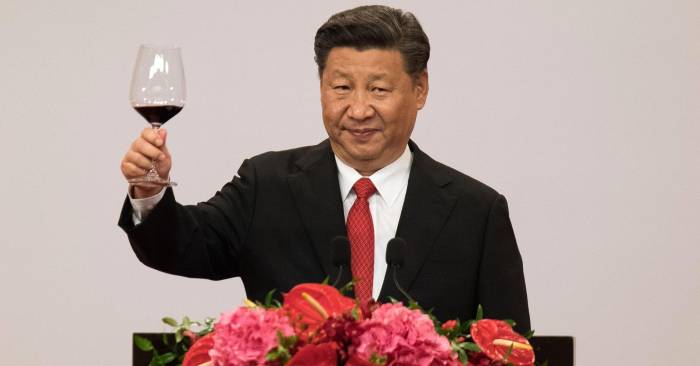
The wine market in mainland China is undergoing a significant restructuring, shifting from a model centered on formal dinners, luxury gifts, and business events to one focused on casual, intentional, and home-based consumption. This transition is detailed in the China Market Insights Report published by Wine Australia on March 12, 2026. The report compiles data from multiple sources to provide a comprehensive view of market trends and strategic resources for Australian wine exporters.
China remains the largest economy in the Asia-Pacific region and the second largest globally by nominal GDP, reaching $19.4 trillion in 2025 according to the International Monetary Fund. The country accounts for about 20% of global GDP measured by purchasing power parity, a share that has steadily increased over recent decades. In 2025, China’s economy grew by 5%, meeting expectations, but analysts predict slower growth in the coming years. The Chinese economy relies heavily on external spending due to its dominant role in global consumer goods manufacturing. Domestic consumption remains subdued; in 2025, households saved 32% of their income, driven by concerns over the real estate market and job stability.
Despite recent contractions, mainland China’s wine market remains a key player in the Asia-Pacific region. According to IWSR data, it ranks second in total volume behind Australia and is the second-largest wine importer after Japan. However, China stands out for its higher average bottle price compared to these markets, making it an especially important destination for premium Australian wines.
Consumer habits and drinking occasions are changing structurally. Economic caution has led consumers to prefer drinking at home rather than in restaurants or bars. This trend has caused a decline in categories associated with formal social life, such as sparkling wines and Scotch whisky. The reduction of business dinners and a government ban on alcohol at official events announced in May 2025 have accelerated this transformation. Chinese consumers are now gravitating toward lighter styles, mainly white wines and white spirits, which are better suited for informal and relaxed occasions.
Traditionally dominated by red wine, the Chinese market is evolving toward lighter styles. Women are leading this shift, favoring white wines to pair with spicy foods. This change drove demand for German Riesling and New Zealand Sauvignon Blanc during 2024. While Champagne has struggled in the on-premise channel, more accessible options like Prosecco, Cava, and other sparkling wines—including those from Australia—saw growth during 2024 and the first half of 2025. This was fueled by an increase in light appetizers and casual moments.
Wine imports into mainland China followed a downward trend until 2024. That year saw a boost in total volume with the return of Australian wines after tariffs were lifted. France, Chile, and Italy lost market share as Australian wines re-entered the market. In 2025, the downward trend resumed from a higher base, with France, Chile, and especially the United States experiencing the largest volume declines.
The restructuring of China’s wine market is deep and driven by structural changes resulting from the pandemic, economic pessimism, declining domestic bulk wine production, and fewer formal events. For Australian exporters, this new landscape requires adapting their offerings toward lighter styles—especially white wines—and focusing on casual home consumption occasions.