Aude Wine Growers Face Deepening Strain
Drought, weak prices and rising costs are squeezing vineyards in southern France’s Aude department.
2026-04-15
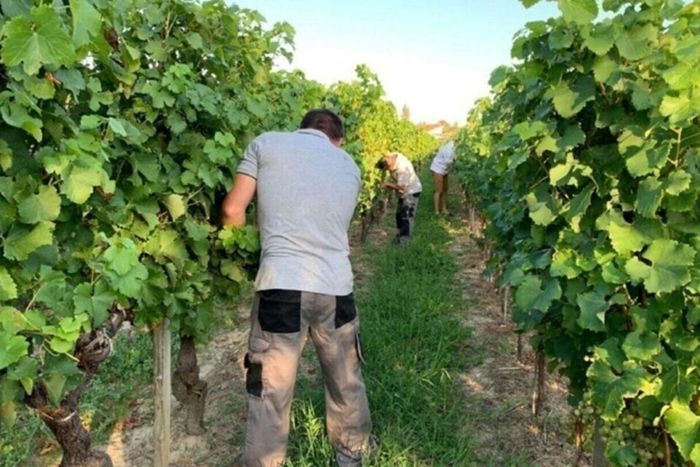
The wine industry in France’s Aude department is under growing strain as drought, falling prices, higher costs and changing drinking habits continue to squeeze growers, according to the Vignerons Indépendants de l’Aude, who met in Carcassonne last week for their annual assembly.
At the meeting on April 9, union leaders and industry representatives described a difficult economic picture for a region already hit hard by climate change. Christophe Gualco, the group’s president, said the last three years had brought severe drought, followed this winter by rainfall that made up only part of what had been missing. He said the weather has hurt yields and added pressure to an already fragile market.
The economic backdrop has not helped. Growers are struggling to move volume, prices remain low and operating costs keep rising. Together, those factors have deepened what local officials described as a viticultural depression. The problem is not limited to vineyards in the field. It is also affecting the trade group that represents them.
The Vignerons Indépendants de l’Aude rely in part on sales of bottle capsules to member wineries for revenue. Those sales have fallen sharply over the past three years. According to Jacques Lanau, the group’s accountant, capsule sales dropped from 10,416,307 units in 2022 to 5,474,696 in 2025, a decline of 47.4%. He said sales have fallen for four straight fiscal years.
The federation posted another deficit in 2025, with a shortfall of 91,525 euros after also losing money in 2024. Even so, Lanau said the organization’s finances remain stable, pointing to 954,000 euros in equity and more than 363,000 euros in cash.
The group’s overall resources rose slightly last year, from 608,000 euros in 2024 to 624,000 euros in 2025, helped by other income sources. Leaders also said they had cut operating expenses by 15,000 euros and launched a partners’ club as part of an effort to secure new funding.
For growers and local officials, the larger question is how to keep wine businesses viable in a department where agriculture and tourism are both central to the economy. Gualco said the sector needs new ways to build income around those two pillars. He pointed to wine tourism as one possible path forward, arguing that the region should use its heritage and culture to attract visitors and create additional revenue for wineries already under pressure from climate and market shifts.
