European Union Enforces Sweeping Wine Labeling Rules to Boost Transparency and Consumer Information
New regulations require calorie counts on labels and digital ingredient lists, reshaping industry standards for producers and exporters across the bloc
Thursday, March 19, 2026
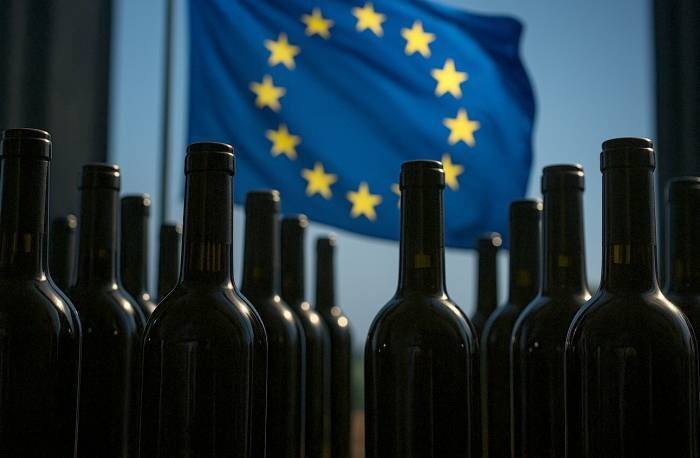
The European Union has implemented a new legislative package aimed at strengthening its wine sector and improving competitiveness. The regulation, known as EU Regulation 2026/471, officially took effect on March 18, 2026. This new framework introduces significant changes for wine producers, exporters, and consumers across the EU.
One of the most notable changes is the overhaul of wine labeling requirements. Under the updated rules, wine must now be treated like any other food product in terms of consumer information. Producers are required to display the energy value (calories) on the physical label using the “E” symbol. The rest of the nutritional information, such as fats, carbohydrates, sugars, and proteins, can be provided digitally. This is typically done through QR codes printed on the bottle, which direct consumers to detailed product information online.
The use of QR codes is subject to strict guidelines. These codes cannot track personal data or contain advertising or marketing messages. They must link directly to technical information about the wine. This approach allows producers to avoid cluttering traditional labels with excessive details while still meeting transparency requirements. It also simplifies exports by eliminating the need for different physical labels for each market.
Ingredient lists are now mandatory and must be accessible to consumers. These lists include additives, acidity regulators, and substances that may cause allergies. For wines with reduced or no alcohol content, clear labeling is required. Products with less than 0.5% alcohol by volume must be labeled as “dealcoholized wine,” while those between 0.5% and the minimum category strength are labeled as “partially dealcoholized wine.”
Financial support for the sector has also increased under this package. The EU will cover up to 60% of promotional expenses for exports outside the bloc. Member states can raise this support to 80%, and even up to 90% for small and medium-sized enterprises (SMEs). Promotional campaigns can now last up to nine years, allowing wineries more time to establish their brands in challenging markets such as India or Brazil.
To address overproduction—a persistent issue in Europe—the regulation reintroduces measures such as voluntary vineyard removal funded by EU resources. Crisis distillation is also permitted, with up to 25% of national funds available for this purpose in a given year.
Climate change adaptation is another focus of the new rules. Wineries can receive subsidies covering up to 80% of investments in equipment designed to mitigate climate impacts, such as frost protection systems or efficient water management tools. The previous deadline of 2045 for planting authorization systems has been removed; instead, reviews will occur every ten years to provide greater stability for growers.
The timeline for compliance is clear. Since December 8, 2023, all wines produced and labeled after that date must include nutritional information. The full legislative package became enforceable on March 18, 2026, consolidating stricter rules for dealcoholized wines and other categories. Wines produced before December 2023 can continue to be sold with their original labels until stocks run out; there is no requirement to relabel older vintages.
These changes reflect a broader shift toward transparency and consumer protection in the European wine industry. The new regulations respond to growing demand from health-conscious consumers who want detailed information about what they are drinking. They also support wineries that produce “clean label” wines with minimal intervention by providing a legal framework to highlight their practices.
For restaurants and sommeliers, immediate access to technical product data via QR codes means they can answer customer questions about allergens or ingredients more easily than before. The legal recognition of dealcoholized wines opens new opportunities for pairing options in fine dining settings where guests may prefer non-alcoholic choices.
The legislative package marks one of the most significant transformations in European winemaking in recent decades. By combining digital innovation with stricter transparency standards and increased financial support, the EU aims to help its wine sector adapt to changing market conditions and consumer expectations while maintaining its global competitiveness.