French Wine Sales Surge Online as Digital Platforms Transform Consumer Habits
Winemakers embrace social media and AI to reach new buyers, with younger consumers driving a shift toward digital discovery and premium purchases.
2026-03-30
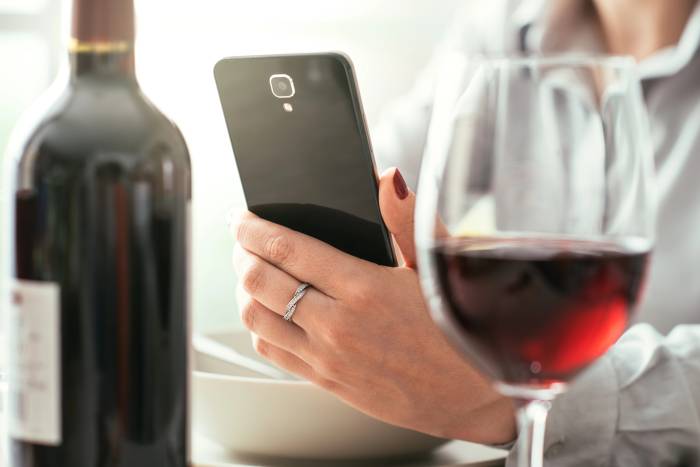
The French wine industry is seeing major changes in how consumers buy and discover wine, with digital platforms and social media playing a growing role. According to data from the Xerfi institute, the online wine sales sector in France experienced double-digit growth throughout the 2010s, reaching over €700 million in revenue. This marks a significant increase from €236 million in 2016. While overall wine consumption in France has declined in volume, the digital market is attracting many winemakers who see new opportunities for growth.
A recent study by Afnic, the association managing the ".fr" domain, highlighted that viticulture stands out among agricultural sectors for its strong online presence. As of December 2025, 79% of French winemakers had their own website, compared to just 27% across agriculture as a whole. Social media engagement is even higher: 92% of winemakers are active on platforms like Instagram and TikTok, while only 65% of other farmers use these channels. These digital tools are not just about visibility; they are seen as effective business drivers. The study found that 76% of winemakers purchase advertising on social networks, and 79% consider their time spent online to be profitable or very profitable for their business.
These findings align with the latest SOWINE barometer published this week. Online wine purchasing continues to rise, with 39% of French consumers reporting they bought wine online in 2025—an increase of five percentage points from the previous year. The average online shopping basket now ranges between €51 and €78 for 31% of buyers, reflecting growing trust in digital transactions and a trend toward premium purchases. Sylvain Dadé, co-founder of SoWine, noted that this shift indicates both confidence in online buying and an interest in higher-quality wines.
When it comes to preferred online channels, 33% of French consumers say they favor specialized wine retailer websites—a three-point increase from last year—just ahead of large supermarket chains at 32%, which saw a slight decrease. Producer websites are also gaining ground, now chosen by 31% of buyers, up four points from last year.
Social media platforms are becoming increasingly important for wine brands and producers. Subscriptions to wine-related accounts have grown sharply on TikTok (34%, up six points), Instagram (31%, up four points), and YouTube (22%, up five points) compared to last year. The influence of social media personalities is also rising: 47% of users who follow influencers say they value their recommendations when choosing wine, an eight-point jump from the previous year.
This influence translates directly into sales. One in five respondents said they have purchased a wine recommended by an influencer—up two points from last year. The effect is even stronger among younger consumers: 45% of those aged 18-35 reported buying wine based on influencer advice, a six-point increase over the previous survey.
Artificial intelligence is also starting to play a role in how people learn about and select wines. For the first time, the SOWINE barometer asked about AI usage related to alcoholic beverages. Nearly one-third (30%) of respondents said they have consulted AI for information about wine or spirits. Among younger generations, this figure rises sharply: 58% of those aged 18-25 and 41% of those aged 26-35 have used AI tools for advice or information. The main reasons cited include researching appellations or tasting tips, finding food and wine pairings, and evaluating product quality.
These trends show that while traditional wine culture remains strong in France, digital innovation is reshaping how consumers discover, choose, and purchase wine. Winemakers are adapting quickly to these changes by investing in their online presence and engaging with new audiences through social media and emerging technologies.

Founded in 2007, Vinetur® is a registered trademark of VGSC S.L. with a long history in the wine industry.
VGSC, S.L. with VAT number B70255591 is a spanish company legally registered in the Commercial Register of the city of Santiago de Compostela, with registration number: Bulletin 181, Reference 356049 in Volume 13, Page 107, Section 6, Sheet 45028, Entry 2.
Email: [email protected]
Headquarters and offices located in Vilagarcia de Arousa, Spain.