European Union Sets 2026 Start Date for Strict Packaging Rules Targeting Waste Reduction
New regulations require all food packaging sold in the EU to meet recyclability and sustainability standards or risk market exclusion.
Tuesday, April 7, 2026
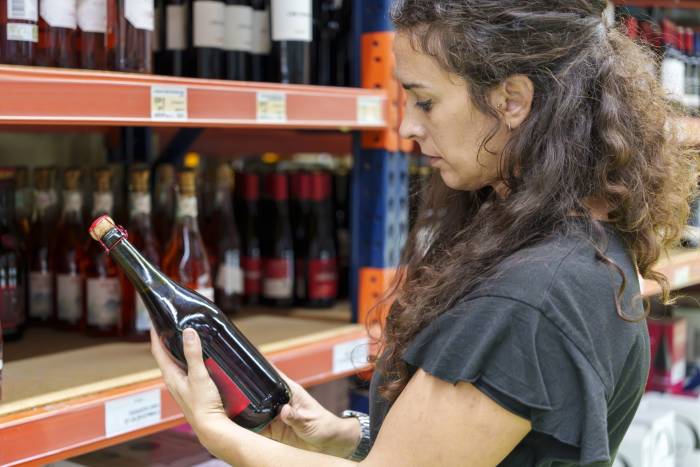
The European Union will begin enforcing new packaging regulations starting August 12, 2026, as part of a broader effort to reduce packaging waste and promote sustainability across its member states. The rules, set out in Regulation 2025/40 on Packaging and Packaging Waste (EU PPWR), will be phased in through 2040 and apply to all food packaging sold in the EU, including products imported from outside the bloc.
The regulation introduces stricter requirements for sustainability, labeling, and conformity. One of the main goals is to ensure that all packaging placed on the EU market is recyclable in an economically viable way by 2030. The rules also aim to increase recycling and reuse rates, with a particular focus on reducing plastic waste.
Under the new framework, plastic packaging must contain a minimum level of recycled content. Producers are required to reduce the weight and volume of packaging and lower contaminant levels. Recycled plastic used by manufacturers outside the EU must meet standards equivalent to those enforced within the EU, especially regarding collection methods and environmental emissions.
The regulation also sets limits on substances of concern in packaging materials. This includes restrictions on per- and polyfluorinated alkyl substances (PFAS), which have been linked to environmental and health risks. Certain materials will be restricted or banned outright. For example, single-use plastic packaging for fresh fruit and vegetable quantities below 1.5 kg will no longer be allowed. Sticky labels attached to produce, as well as single-use tea and coffee bags, must meet industrial compostability standards.
From August 12, 2026, all packaging sold in the EU must be accompanied by a Declaration of Conformity (DoC). This document is a legally binding self-declaration by the manufacturer or supplier confirming that their packaging complies with EU PPWR requirements. Exporters to the EU will need to ensure that compliance documentation is available throughout the supply chain. This includes both the DoC and supporting technical documents prepared according to conformity assessment procedures outlined in Annex VII and VIII of the regulation.
The European Commission has released guidance documents to help businesses understand and implement these new requirements. Companies exporting packaged goods to the EU are being advised to review their current practices and begin preparing for compliance ahead of the enforcement date. Failure to comply with these regulations could result in products being barred from entry into the EU market.
Industry groups have expressed concerns about the challenges involved in meeting these new standards, particularly for small- and medium-sized enterprises outside Europe. However, EU officials argue that these measures are necessary to address growing concerns over packaging waste and environmental pollution.
The phased implementation allows businesses time to adapt their processes and supply chains. The ultimate aim is for all packaging in the EU market to be recyclable or reusable by 2040, marking a significant shift toward a circular economy model within Europe’s food and beverage sector.