British authorities shut down whisky investment firm that sold casks buyers never owned
Investigators said only four of 17 identified customers held valid ownership documents, leaving known buyers out £97,249.
Thursday, August 27, 2026
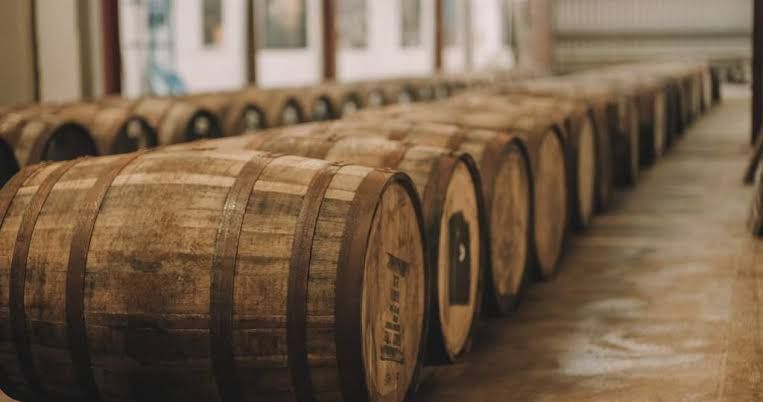
British authorities have shut down a whisky investment company after investigators found that many customers paid for casks they never legally owned, leaving identified buyers out £97,249 and exposing what officials described as serious misconduct in an unregulated corner of the investment market.
The UK Insolvency Service said Thursday that Cask Spirits Global Limited was wound up by the High Court in London on Tuesday after an investigation found major problems with the company’s sales practices, ownership records, accounting and contact information. The firm had marketed whisky cask investments to retail customers, promising strong returns and tax advantages, but investigators said only four of the 17 customers they identified had valid ownership documentation.
That means at least 13 of the 17 known buyers, or 76.5%, did not have valid title to the casks they believed they had purchased. The agency said the real losses may be higher because the £97,249 figure covers only the customers investigators were able to identify. It also said the case should not be treated as a measure of the wider whisky cask market.
According to the Insolvency Service, some customers were issued certificates for casks that did not exist. Other documents named the company itself as the owner rather than the customer. Some certificates referred to warehouses that had no relationship with the business. Investigators also found false information about storage locations.
In one case described by the agency, a customer was promised returns of 120%-150% and told his cask was being held at a bonded warehouse in Scotland. When he contacted the warehouse, it denied any connection to the company.
The company targeted customers through social media advertising and cold-calling, the Insolvency Service said. Officials said the business used high-pressure sales tactics to persuade people to invest thousands of pounds in whisky casks. Customers were led to believe they were buying a physical asset that could rise in value over time, but the documents they received often failed to establish legal ownership.
The investigation also found that the company operated under the name “Cask Spirits Ltd” on its website and in materials shown to customers, even though no such company existed on the UK’s Companies House register. Customers were actually paying Cask Spirits Global Limited, but title documents did not refer to the real corporate entity. Officials said that mismatch added to the confusion over who, if anyone, legally owned the casks.
Investigators said certificates were also issued in the name of a company that did not exist. In practice, that meant some buyers were handed paperwork that could not support a legal claim to the asset they had paid for. In a market where ownership depends heavily on the chain of title and accurate warehouse records, those flaws can leave investors with little practical recourse.
The Insolvency Service said Cask Spirits Global Limited was incorporated in June 2024. It later listed two London addresses in its customer-facing materials, but investigators found no verified presence at either location. As a result, customers who wanted to complain or seek a refund had no reliable way to reach the company.
Officials also said the company failed to cooperate fully with the investigation. It provided only two of the 29 accounting documents requested, meaning 27 of the 29 records were not delivered. The agency said that lack of documentation limited its ability to trace funds and assess the full scale of the losses.
Beyond the missing records, investigators said the business used multiple undisclosed bank accounts and did not file its required statutory accounts consistently. Those issues added to concerns about how customer money had been handled and whether the company was operating transparently.
The agency said the company stopped communicating with customers around March 2025. Even so, despite claiming it had stopped trading at that point, it appeared to remain active. Investigators said the business attempted to open a new account with a bonded warehouse the following month, suggesting it still posed a risk to the public.
Mark George, chief investigator at the Insolvency Service, said the inquiry had uncovered “serious concerns” about how the company was run and the harm caused to people who invested in good faith. “People handed over thousands of pounds for whisky casks they never legally owned,” he said. He added that the government would act when a company could not be trusted with the public’s money.
The court order places the company into compulsory liquidation. The Official Receiver has been appointed liquidator and will now take control of the company’s affairs. That process usually includes securing records and assets, examining the company’s conduct and determining whether any recoveries can be made for creditors, though the Insolvency Service did not say how much customers might ultimately get back.
The case highlights the risks that can arise when retail investors buy into specialist assets that sit outside the mainstream regulated financial system. Whisky cask investing has drawn growing interest in recent years from people looking for alternative assets tied to the drinks industry. But unlike a conventional savings product or a listed security, a cask purchase depends on clear legal title, accurate storage records and a credible intermediary. In this case, officials said those basics were often missing.
For UK regulators, the case also appears to fit a pattern seen in other investment-related shutdowns, where a company uses aggressive marketing, difficult-to-verify claims and weak paperwork to attract small investors. Here, the Insolvency Service said customers were sold an asset they often did not legally own, while the company itself failed to maintain basic records and could not be reliably contacted once problems emerged.
The agency said it can investigate complaints about corporate abuse by live companies, including suspected fraud, scams and dishonest business practices. In the case of Cask Spirits Global Limited, officials moved to seek a court-ordered winding up after concluding that the company’s conduct and continued apparent activity created an ongoing risk to the public.