Drinkers Cut Summer Intake to 3.9 Drinks per Occasion in 2026
Alcohol companies are chasing more terraces, festivals and travel sales as consumers shift toward RTDs, cocktails and no-alcohol options
Tuesday, August 4, 2026
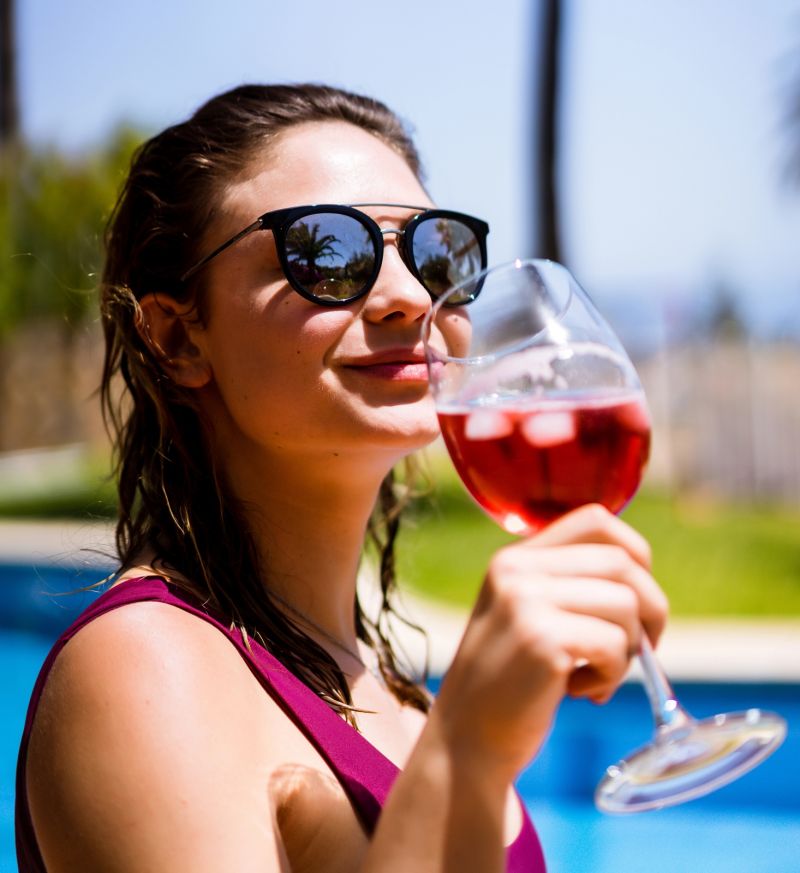
Summer is not lifting alcohol consumption evenly across the global drinks business. Instead, it is shifting where, how and what people drink, giving a seasonal boost to terraces, festivals, travel and outdoor gatherings while consumers continue to moderate how much alcohol they consume on each occasion.
That pattern is becoming clearer in 2026 as producers, retailers and bars navigate a market that offers more summer drinking moments but less appetite for heavy consumption. A multinational consumer survey cited by IWSR found that alcohol participation across 15 markets held at 76%, roughly stable from recent years, but average consumption per occasion fell to 3.9 drinks in 2026 from 4.4 in 2024 and 2025. The result is a summer market defined less by broad volume growth than by redistribution: more occasions, more channel switching and tighter control over quantity.
The distinction matters because the broader alcohol market remains under pressure. According to IWSR, global beer volumes fell 1% in 2023 and 2024 and 2% in 2025. Wine declined about 4% a year from 2023 through 2025. Spirits were roughly flat in 2023 before slipping in 2024 and 2025, depending on whether local products were included. Ready-to-drink beverages, or RTDs, stood apart, rising 2% in 2023 and 2024 and 3% in 2025, with premium RTDs growing by more than 15%.
That means summer can still feel busy for the trade even when annual totals are weak. Bars may see fuller patios. Supermarkets may sell more chilled multipacks before weekends away. Airports may move fewer bottles but at higher prices. Yet those gains are happening inside a market where many consumers are drinking less often, drinking less per sitting or alternating with low- and no-alcohol options.
Weather is one reason the picture is more complicated than the old assumption that hotter days automatically mean more alcohol sales. Recent research based on retail data from 2006 through 2023 found that alcohol sales tend to rise with temperature up to just above 32 degrees Celsius, after which the effect weakens. Earlier time-series work also found temperature sensitivity in beer, spirits and some wines, though not uniformly across all categories or regions.
In practical terms, mild and warm weather tends to increase mobility, outdoor dining and social gatherings. But extreme heat can have the opposite effect. It can keep people indoors, shorten time outside and push consumers toward water, soft drinks or lower-alcohol beverages. The World Health Organization advises people to drink water regularly and avoid alcohol during heat waves, adding a public health limit to summer marketing plans built around outdoor events.
Beer still has the strongest functional link to summer. It is cold, familiar, portable and closely tied to sports viewing, casual meals and group occasions. That helps explain why it remains central to summer merchandising despite its annual decline in volume. Brewers are leaning on premium but accessible labels, lighter styles, fruit-forward variants, radlers and alcohol-free beer to fit longer daytime occasions where consumers want refreshment without as much alcohol.
Wine’s position is weaker overall but more nuanced by style. The category continues to contract globally, yet rosé, sparkling wine, chilled whites and spritz serves remain better suited to warm-weather drinking than heavier traditional styles. Producers are also pushing smaller formats, canned wine in some markets and lower-alcohol options aimed at aperitif hours, picnics and informal meals. For wine companies, summer has become less about defending total volume and more about recruiting younger drinkers through convenience, freshness and simpler serves.
Spirits are increasingly relying on cocktails rather than straight pours to stay relevant in summer. Long drinks, spritzes, highballs and aperitif-style serves allow bars and brands to lower intensity while preserving flavor and price. IWSR said that in its 2026 survey, 84% of legal-age drinkers in the youngest adult cohort reported having consumed cocktails in the previous six months. That helps explain why spirits companies are investing heavily in mixed-drink menus, pre-batched cocktails and canned cocktail lines instead of focusing only on bottle sales.
RTDs remain the clearest winner of the season. Their appeal comes from portability, consistency and speed: they chill quickly, travel easily and remove the need for mixing equipment or trained staff. Those traits fit beaches, barbecues, festivals, pre-event gatherings and home entertaining. IWSR said RTDs grew at an 8% compound annual rate from 2019 through 2025 and surpassed vodka in global value last year. The strongest momentum is now in spirit-based RTDs and premium canned cocktails rather than older malt-based formulas.
The rise of RTDs also reflects a broader shift in how consumers organize social occasions. Many want drinks that can stretch across several hours without requiring a full bar setup or leading quickly to overconsumption. That same logic is helping no-alcohol beer, zero-proof spirits alternatives and adjacent beverages such as sparkling teas and botanical drinks gain shelf space during summer months.
IWSR estimated that no-alcohol analogs grew about 9% by volume in 2025, while adjacent categories including functional drinks advanced about 11%. These products serve different needs: some replace alcohol directly during driving occasions or hot afternoons; others extend social participation for people who want variety without intoxication. In both cases they benefit from the same seasonal conditions that help alcoholic drinks: longer days, travel, outdoor meals and group events.
The on-trade remains critical because it shapes discovery as much as sales. NielsenIQ reported that in 2025, 83% of surveyed consumers visited bars or restaurants at least quarterly; 22% had tried a new brand there during the previous month; and among those who liked what they tried, 71% said they intended to buy it later for home consumption. Two-thirds said they preferred less quantity but better quality.
That dynamic gives summer service venues unusual influence. A spritz on a terrace or a canned cocktail at a festival can become a retail purchase later in the week. But operators are also seeing spending concentrate into fewer visits with higher expectations. Consumers may go out less often than before while spending more selectively on major occasions such as concerts, sporting events or holiday weekends.
Off-premise channels are benefiting from a different kind of summer demand: planned stocking for private gatherings, road trips and outdoor consumption. Chilled single-serve cans, mixed packs, lighter packaging and convenience-store cold boxes all gain importance when purchases are tied to immediate use rather than cellar storage or formal entertaining. Delivery platforms also play a larger role when weather changes quickly or shoppers need last-minute replenishment before guests arrive.
Travel retail shows another version of this split between volume and value. IWSR reported that global travel retail volume rose 5% in 2023 while value climbed 21%, suggesting that travelers bought fewer units but traded up when they did purchase alcohol. With international tourist arrivals up about 4% in 2025 and still rising early this year according to U.N. Tourism data, airports and resort markets remain important places for premium spirits, sparkling wine and gift-oriented purchases even if basket sizes stay small.
Demographic shifts add another layer. Younger legal-age adults are not abandoning alcohol altogether, contrary to a common assumption in parts of the industry. IWSR’s latest survey put participation among that group at 74%, close to the overall average of 76%. What differs is how they drink: more cocktails, more group occasions and greater attention to health guidance than older cohorts. Older consumers showed lower participation, lower frequency and fewer drinks per occasion.
Public health data still show large differences by sex globally. The World Health Organization says current drinking rates remain higher among men than women worldwide, with substantial gaps in average pure alcohol consumption per capita. But researchers caution against turning those broad annual patterns into simple summer targeting rules because comparable global seasonal data by age, income or urban density remain limited.
That lack of harmonized weekly sales data is one of the biggest obstacles for producers trying to plan around summer demand with precision. Annual market reports can show whether beer fell or RTDs rose over a full year, but they do not fully capture how much of that movement came from weather spikes, tourism flows or event calendars during specific weeks.
Even so, several strategic themes have emerged clearly between 2023 and 2026: moderation by occasion rather than total abstinence; selective premiumization; strong growth in no-alcohol products; continued expansion of spirit-based RTDs; greater reliance on digital planning tools; and rising scrutiny of sustainability issues such as packaging weight, refrigeration demand and waste at outdoor events.
For bars and restaurants, this means shorter menus with clearer roles for each drink style may work better than sprawling lists built around high-proof pours alone. A concise cocktail program with spritzes, long drinks and zero-proof versions can meet demand for quality while respecting tighter budgets and lower tolerance for heavy drinking during hot weather.
For retailers, success increasingly depends on matching assortment to occasion rather than simply expanding category breadth for summer displays. Beer still matters most for broad refreshment occasions; chilled rosé or sparkling wine works best around meals or aperitif hours; spirits perform better when linked to mixers or cocktail recipes; RTDs win where portability matters; no-alcohol products become essential where driving, daytime heat or long-duration events shape behavior.
For producers across categories, extreme heat planning is becoming part of commercial strategy as much as logistics planning once was. If temperatures rise too far above seasonal norms, assumptions about patio traffic or festival consumption can break down quickly. In those moments water availability, shade infrastructure and visible no-alcohol alternatives may matter as much as branded activation.
The industry’s challenge now is not simply selling more alcohol during summer but understanding how seasonal demand fragments across channels and formats while consumers continue to pull back on intensity. The strongest performers are likely to be companies that offer full-strength drinks alongside lower-alcohol and 0.0% options; use weather and point-of-sale data week by week; tailor products to specific occasions instead of broad categories; and treat responsible service as part of operations rather than just messaging.
Summer still expands opportunity across the beverage business. It just no longer guarantees bigger drinking occasions or rising annual volumes for everyone involved.