Study Finds Red and White Wines Leave Distinct Traces in the Bloodstream
A controlled human trial found that acute intake of Cabernet Sauvignon and Robola produced different phenolic metabolites in plasma.
Friday, July 31, 2026
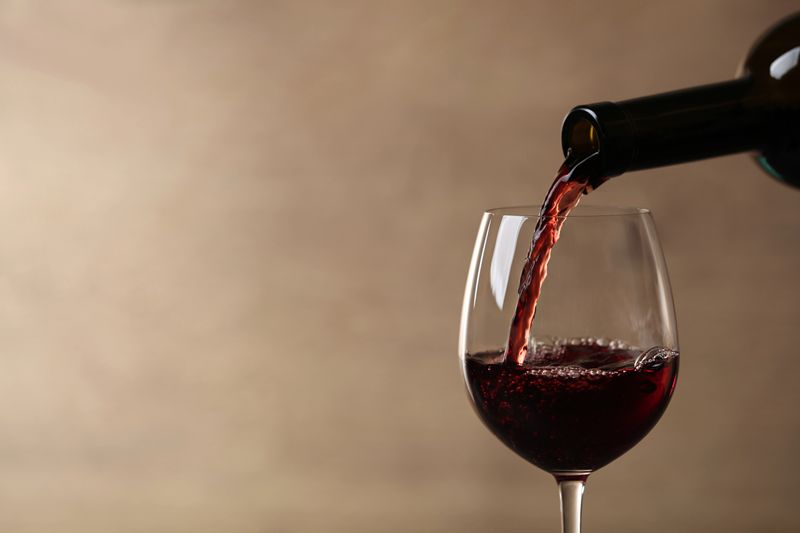
Researchers have reported new evidence that red and white wine leave different phenolic traces in the bloodstream shortly after consumption, offering a clearer view of how the body processes compounds from each style of wine.
The findings come from a human crossover trial published in Food Research International and indexed by PubMed. The study examined plasma samples after controlled, acute intake of red wine and white wine to identify the phenolic signatures that appeared in circulation and the metabolic pathways involved after drinking each one.
According to the study, the chemical differences between red and white wines were reflected in the metabolites detected in blood. After red wine intake, researchers found higher levels of stilbenes and anthocyanin derivatives, a result they linked to the richer polyphenolic composition typically found in red wine. After white wine intake, plasma showed higher levels of certain flavanols and hydroxycinnamates.
The work focused on acute consumption rather than long-term drinking patterns. That means the results describe what happens in the body soon after intake, not the effects of regular consumption over time. Even so, the study adds detail to a question that has drawn attention for years in nutrition and beverage science: whether different wines produce distinct biological responses because of their phenolic makeup.
Researchers used advanced metabolomic tools to analyze plasma after participants consumed red and white wines under controlled conditions. The trial compared Cabernet Sauvignon as the red wine and Robola as the white wine. By tracking metabolites in vivo, the team was able to connect specific compounds found in blood with the original composition of each wine.
The study found that red wine intake was associated with metabolic pathways involving microbial metabolism and host phase II conjugation reactions, which are part of the body’s system for transforming and clearing compounds after ingestion. White wine metabolites, by contrast, showed different absorption and biotransformation profiles, suggesting that the body handles some of their phenolic compounds through separate routes or at different rates.
Those differences may help explain why red and white wines have often been discussed separately in research on physiological effects. The authors said the distinct in vivo phenolic metabolisms triggered by each wine type could be related to differences in health outcomes, though the study itself was designed to map metabolic signatures rather than prove clinical benefits.
For the beverage sector, the findings could matter beyond academic interest. They provide more mechanistic evidence on how bioactive compounds from wine appear in plasma after consumption, which may support future work in health science, product development and the broader effort to understand how grape variety, winemaking style and phenolic composition shape a wine’s biological profile. That does not establish a direct health claim for any wine category, but it may help producers and researchers better frame discussions around composition and functionality.
The paper also underscores how much of wine’s biological story depends not only on what is present in the glass but on what survives digestion, is absorbed into circulation and is transformed by both human enzymes and gut microbes. In practical terms, two wines can differ sharply in composition at the time of drinking, and those differences can still be seen later in plasma as distinct metabolic fingerprints.
That point is especially relevant for scientists studying food bioavailability and for an industry that increasingly follows research on phenolics, antioxidants and other compounds tied to consumer interest in wellness. In wine, such work may eventually help clarify why some compounds are more detectable after intake than others and why similar serving sizes do not necessarily lead to the same metabolic response.
The study adds one more layer to a growing body of research that treats wine not as a single product category but as a set of chemically diverse beverages with different post-ingestion behavior. By showing that acute intake of Cabernet Sauvignon and Robola generated separate phenolic signatures in plasma, the researchers offered a more detailed map of how red and white wines move from glass to bloodstream.