CaskID estimates U.K. Scotch whisky cask prices fell 28% from 2020-23 levels
Its first quarterly report drew on 767 transactions to estimate comparable prices rather than an official marketwide average
Tuesday, November 3, 2026
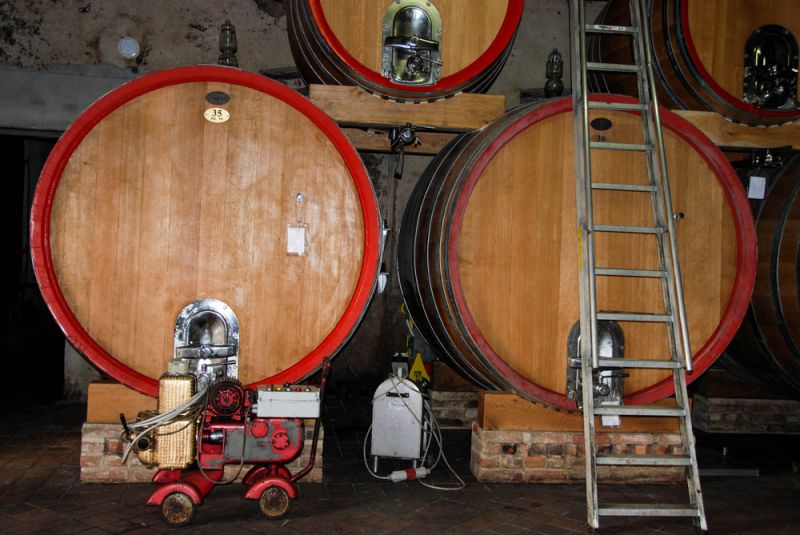
A new pricing model from CaskID, a Scottish cask registration and valuation service, suggests that comparable prices for Scotch whisky casks in the United Kingdom were about 28% lower in 2024 through 2026 than in 2020 through 2023, adding a quantified signal that the market for aged stock has cooled from earlier highs.
CaskID published the estimate on October 31 in what it described as its first quarterly report. The company said the figure was produced by its own model and should not be treated as an official market statistic. The estimate was presented as a comparison of modeled prices in pounds sterling after adjusting for factors that can strongly affect cask values, including distillery, region, age, cask type and alcohol strength.
The report matters because prices in the cask whisky market are often difficult to track in a clear and consistent way. Individual casks can differ sharply even when they come from the same distillery, and private transactions are not always visible. By trying to control for major differences among casks, the model aims to show whether underlying prices have moved, rather than simply reflecting a change in the mix of casks being sold.
CaskID said the model drew on 767 transactions and auction results. Within the comparison highlighted in the report, 495 observations came from 2024 through 2026 and 245 came from 2020 through 2023. The company did not provide an aggregate change in pounds, and it did not present a fully like-for-like quarterly comparison. That means the headline figure points to a broad downward shift in modeled comparable prices between the two periods, but it does not show a simple marketwide average price decline for every quarter or every type of cask.
The company also cautioned against reading the number too broadly. It said the 28% figure does not mean prices fell 28% during October, and it does not represent an observed average for the entire Scotch cask market. Coverage in the underlying data is uneven, according to the report, and the result was not framed as a measure of investment returns, an inflation-adjusted change or a valuation of any specific cask.
That distinction is important in a market where prices can vary widely depending on the name on the cask, the age of the spirit, the wood used for maturation and the cask’s fill level and strength. A model can help identify direction, but it remains sensitive to the quality and spread of the data it uses. In this case, CaskID is both the source of the transactions used in the model and the producer of the report, which makes its disclosure about methodology and limitations central to how the estimate should be understood.
Even with those caveats, the report offers one of the clearer numerical signs yet that the market has moved off the levels seen during 2020 through 2023. Those years included strong interest in cask whisky, when buyers were competing for aging stock and prices in some parts of the market rose quickly. CaskID’s estimate suggests that, once key cask characteristics are taken into account, the pricing environment in 2024 through 2026 has been weaker than it was during that earlier period.
The company did not say that all distilleries or all regions moved by the same amount. Because the estimate is adjusted across several characteristics, it should be read as a model-based average effect within CaskID’s sample rather than a uniform repricing across the industry. A cask from a sought-after distillery can still behave very differently from a cask from a lesser-known producer, and older stock can trade on a different pattern from younger spirit.
The release may still draw attention from brokers, distillers, independent bottlers and private owners trying to gauge where the market stands after several years of volatility. Many participants have relied on anecdotal evidence, selective sales results and isolated auction outcomes. CaskID’s report does not settle the broader question of where the whole market is heading, but it does add a structured estimate at a time when buyers and sellers are looking for firmer benchmarks.
Because the report is the company’s first quarterly release, market participants are likely to focus on whether later editions provide a more consistent time series and a broader data set. For now, the main takeaway from the October 31 publication is narrower: in CaskID’s model, comparable Scotch whisky cask prices in 2024 through 2026 were estimated to be 28% below those in 2020 through 2023, but the figure comes with important limits on scope, coverage and interpretation.