White wine gains ground in China’s casual dining scene
From Zhejiang seafood stalls to Shanghai bars, some sellers say white wine now approaches half of sales
Monday, November 9, 2026
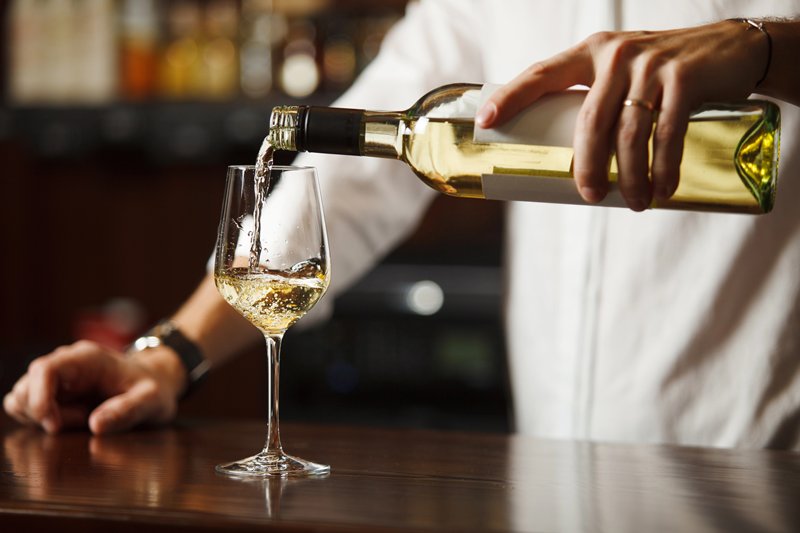
White wine is gaining ground in parts of China, from seafood stalls in Zhejiang to wine bars in Shanghai and Suzhou, even as the country’s overall wine imports continue to decline.
A November 8 report by Wine Meridian, citing interviews collected by Vino Joy News and trade data, said varieties such as Sauvignon Blanc, Riesling and Chardonnay are finding demand in more casual drinking occasions that sit outside the formal business dinners and banquets long dominated by red wine.
The shift appears to be less about a broad change in total consumption than about where and how people are drinking. In coastal Zhejiang, especially around Ningbo, Wenzhou and Taizhou, white wine has reached about 50% of sales in some local markets, up from an earlier estimated 20%-30%, according to Shen Yi, a wine marketing consultant quoted in the report. Shen linked the change to local food habits, especially the strong role of fish and seafood, which are often eaten in street stalls and late-night venues.
In those settings, white wine is starting to replace beer for some consumers, the report said. Price is also part of the appeal. Bottles mentioned by Shen were selling for about 50 yuan, or roughly $7.50, which places them within reach for informal meals rather than special occasions. Summer weather also appears to have supported demand, although some operators say the trend has not been limited to warm months.
In Wenzhou, importer KAKA, which also runs beverage delivery operations, reported a 150%-200% increase in sales of low-priced white wines it promoted over the past two years. That figure applies to that company’s activity rather than to the Chinese market as a whole, and the business still relies mostly on red wine.
The same pattern is showing up in some urban wine bars and bistros. At Forage, a wine bistro in Shanghai, owner William Zhu said white wine, which is usually stronger in summer, remained competitive in colder months this year. In Suzhou, YesiVino Bistro said white wines, including sparkling wines, account for about 80% of wine sales. Pudao, a Shanghai wine shop and bar, put the share at about 70%, while some of its restaurant clients reportedly reach roughly half of their annual volumes in white wine.
Those figures come from individual businesses and commercial clients, not from national retail statistics. Still, they suggest that in some parts of the market, consumers are moving toward styles that are easier to drink casually and easier to pair with food. Operators interviewed for the report pointed to interest in wines that are versatile, direct and sometimes carry a noticeable sense of residual sugar. Riesling, in particular, was described as a possible entry point for drinkers who are newer to white wine.
Women are also an important part of demand in the venues cited, especially for white wine, sparkling wine and orange wine, according to the report. That points to a consumption pattern driven less by formal entertaining and more by socializing, dining out and home drinking.
Import data shows that some producing countries are benefiting from this niche, even while China’s wider wine trade remains under pressure. In the first nine months of 2026, China imported 7.81 million liters of wine from New Zealand, up 92.7% from the same period a year earlier, according to figures cited by Wine Meridian. The value of those imports rose 23.9% to $41.7 million. New Zealand Winegrowers says about 80% of the country’s wine exports to China are white wine.
That growth does not by itself prove that all of the increase came from stronger white wine demand, but it does show momentum for an origin closely associated with Sauvignon Blanc. German Riesling is also well established in China, and importers cited in the report said the field is widening further, with growing interest in Australia’s Hunter Valley Semillon, premium Australian Chardonnay and South African Chenin Blanc across different price levels.
Australia has had additional support from the removal of Chinese tariffs in March 2024. According to Wine Australia, still white wine rose from 4% to 14% of Australia’s wine exports to China in 2025, while still red fell to 84%. Those figures describe Australia’s export mix to China, not the total market share of white wine inside China.
The broader backdrop remains weak. China Briefing, citing Chinese customs data, said China’s wine imports in the first half of 2026 fell 11% by volume to about 101.4 million liters. Import value rose 0.8% to about $716 million, suggesting that higher prices or a richer sales mix partly offset lower volumes. For full-year 2025, wine imports were about 207 million liters worth $1.42 billion.
That gap between a shrinking total market and pockets of growth matters for beverage producers and importers trying to read China’s recovery. The current pattern suggests that opportunity may be opening by style, origin and outlet rather than through a broad rebound in alcohol demand. In seafood-heavy dining and late-night casual occasions, white wine is starting to compete more directly with beer, while in wine bars it is benefiting from more social and less ceremonial drinking habits.
Industry researchers including Wine Australia and IWSR have also described a Chinese market in which prestige gifting and corporate banquets are losing weight, while home consumption and informal occasions are becoming more important. White wine appears to be benefiting from that shift, but red wine remains firmly tied to business dinners and wedding banquets, which are still important parts of consumption.
For imported wine suppliers, including Italian producers, the change may create openings, but not a simple marketwide recovery. The report said success is more likely to depend on credible food pairings, pricing that fits casual consumption and distribution that reaches informal restaurants, wine bars and digital channels. In practice, that means producers may need to think less about label prestige alone and more about where a bottle is consumed, what food it is served with and which drinkers are being targeted.